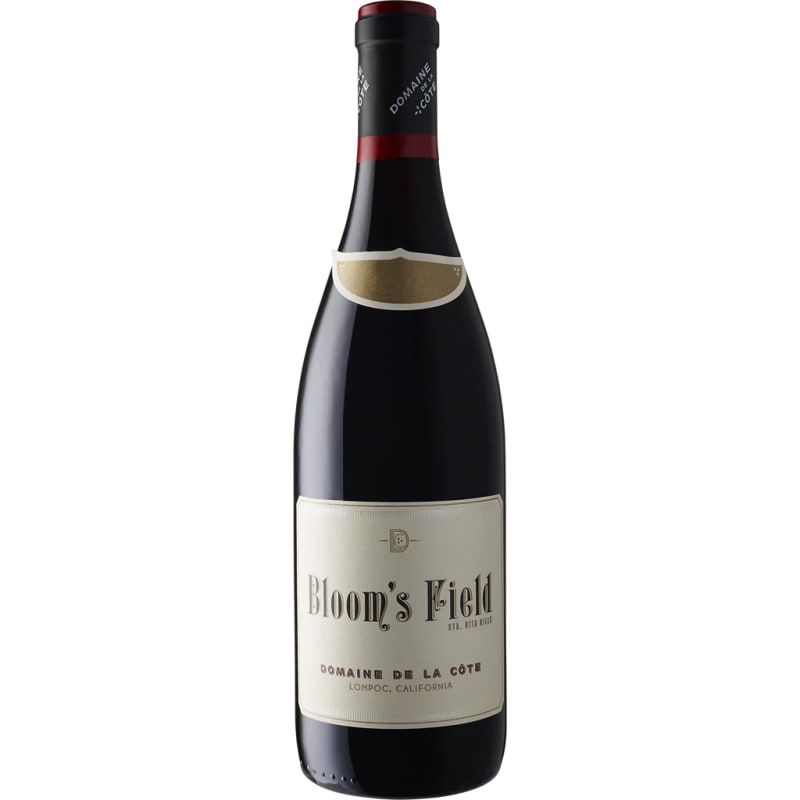


Winemaker Notes
Iron rich top-soil, shale bedrock and southwest exposure Calera, Swan and Mount Eden clones. 100% whole cluster ferment in open concrete tanks.
Professional Ratings
-
Wine Enthusiast
This estate bottling shows the most vivid and accessible fruit qualities compared to the rest of the 2021 lineup. Dark berry aromas meet with rose, carnation, achiote and turned earth on the nose. The tightly structured palate's dark-fruit core is decorated in eucalyptus leaf, Kalamata olive and strong, dank herb flavors.
-
James Suckling
Riper fruit on the nose with ginger and perfectly ripened strawberries. Full-bodied, very tannic and powerful with density and length. Muscular and formed. Needs time to soften. Better after 2026.
-
Wine & Spirits
On the western edge of the estate, Bloom’s Field faces southwest, a hillside of Monterey shale that bears the brunt of the Pacific winds, which helps to account for this wine’s smoky intensity and its aromatic focus. The scents are assertive—olive and dill, mushroom, smoke and dark plum; they suggest dustiness even before you taste the wine’s surprising concentration. Packed with flavor, it has an unexpected sweetness of fruit inhabiting what is otherwise a very savory wine. A great performance, one that will continue to improve with age.
-
Wine Spectator
Juicy and driven, with a well-knit core of cherry and damson plum notes, laced with red tea and backed by a subtle flash of grilled herbs. The finish, which is underscored by nice focusing acidity, is steady and persistent as the fruit plays out with chalky minerality. Drink now through 2032.


Thin-skinned, finicky and temperamental, Pinot Noir is also one of the most rewarding grapes to grow and remains a labor of love for some of the greatest vignerons in Burgundy. Fairly adaptable but highly reflective of the environment in which it is grown, Pinot Noir prefers a cool climate and requires low yields to achieve high quality. Outside of France, outstanding examples come from in Oregon, California and throughout specific locations in wine-producing world. Somm Secret—André Tchelistcheff, California’s most influential post-Prohibition winemaker decidedly stayed away from the grape, claiming “God made Cabernet. The Devil made Pinot Noir.”
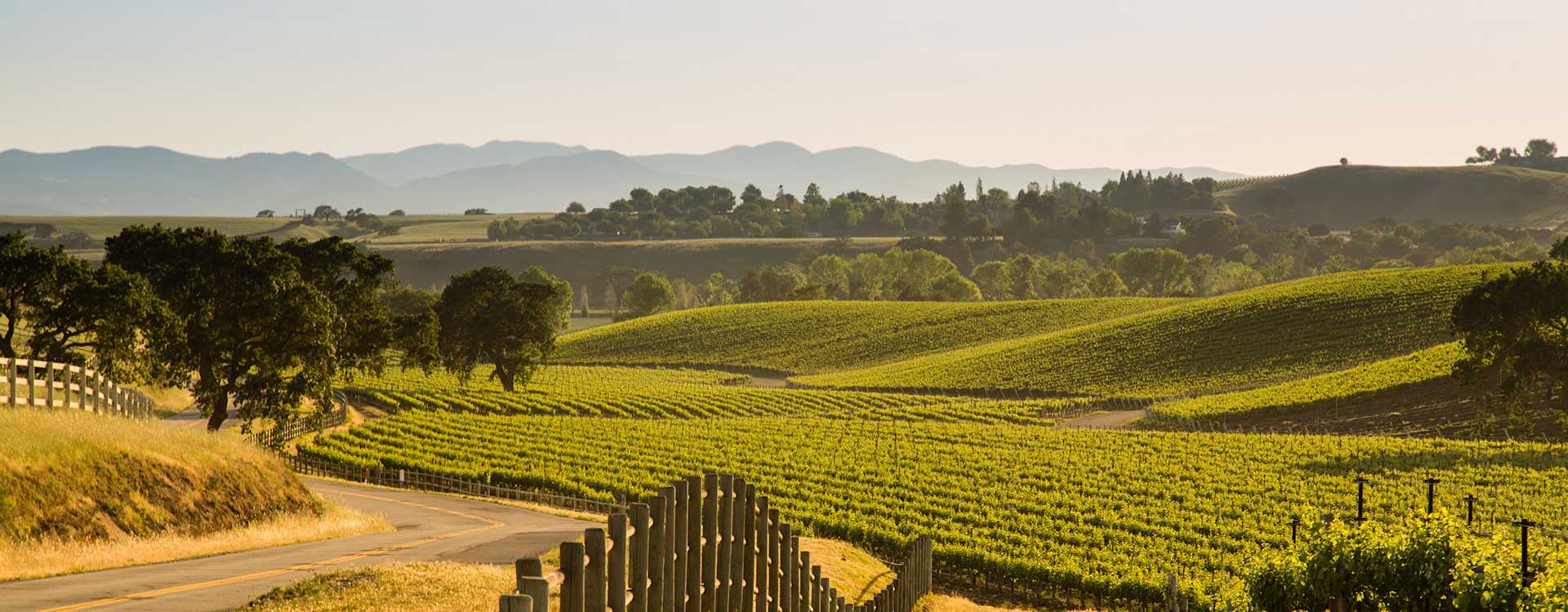
A superior source of California Chardonnay and Pinot Noir, Sta. Rita Hills is the coolest, westernmost sub-region of the larger Santa Ynez Valley appellation within Santa Barbara County. This relatively new AVA is unquestionably one to keep an eye on.
The climate of Sta. Rita Hills is a natural match for Chardonnay and Pinot noir, thanks to the crisp ocean breezes and well-drained, limestone-rich calcareous soil. Here, grapes ripen just enough, while retaining brisk acidity and harmonious balance.