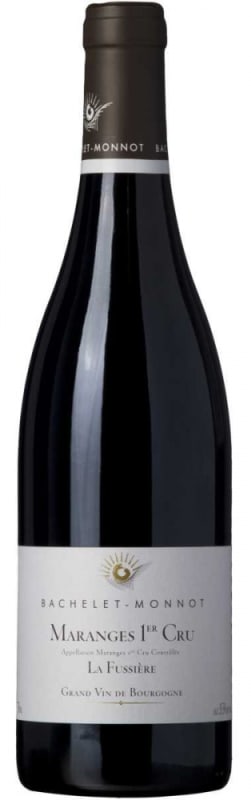


Winemaker Notes
Red Burgundy might be the world's most flexible food wine. The wine’s high acidity, medium body, medium alcohol, and low tannins make it very food friendly. Red Burgundy, with its earthy and sometimes gamey character, is a classic partner to roasted game birds, grilled duck breast, and dishes that feature mushrooms, black truffles, or are rich in umami.
Professional Ratings
-
Robert Parker's Wine Advocate
The 2015 Maranges 1Er Cru la Fussieres, which is the usual blend of ten parcels from vines aged between 40 and 70 years, has a pleasant cold stone scent that percolates through the cranberry and raspberry fruit. There is a sense of control here. The palate is sweet and candied on the entry, the 20% whole bunch fruit lending freshness and a slightly grainy texture towards the finish, which veers towards darker fruit, a potent spicy note lingering on the aftertaste. This will be well worth checking out once in bottle.
Range: 89-91


Thin-skinned, finicky and temperamental, Pinot Noir is also one of the most rewarding grapes to grow and remains a labor of love for some of the greatest vignerons in Burgundy. Fairly adaptable but highly reflective of the environment in which it is grown, Pinot Noir prefers a cool climate and requires low yields to achieve high quality. Outside of France, outstanding examples come from in Oregon, California and throughout specific locations in wine-producing world. Somm Secret—André Tchelistcheff, California’s most influential post-Prohibition winemaker decidedly stayed away from the grape, claiming “God made Cabernet. The Devil made Pinot Noir.”

Forming a transition between the Côte d’Or and the Saône-et-Loire of the Côte Chalonnaise, Maranges is the southernmost village of the Côte de Beaune district of Burgundy and includes seven Premiers Crus. Wines grown in Maranges may claim the names of their respective communes, Cheilly-lès-Maranges, Dezize-lès-Maranges or Sampigny-lès-Maranges, or Côte de Beaune-Villages. Confusingly they may also be called Maranges or Maranges Côte de Beaune. Nevertheless, the village’s vineyards, primarily composed of limestone and pebbly soils, produce charming, medium-bodied, fleshy Pinot Noir, laden with red or purple fruit and a touch of spice. A small percentage of admirable and fresh whites come from Maranges, made of Chardonnay.