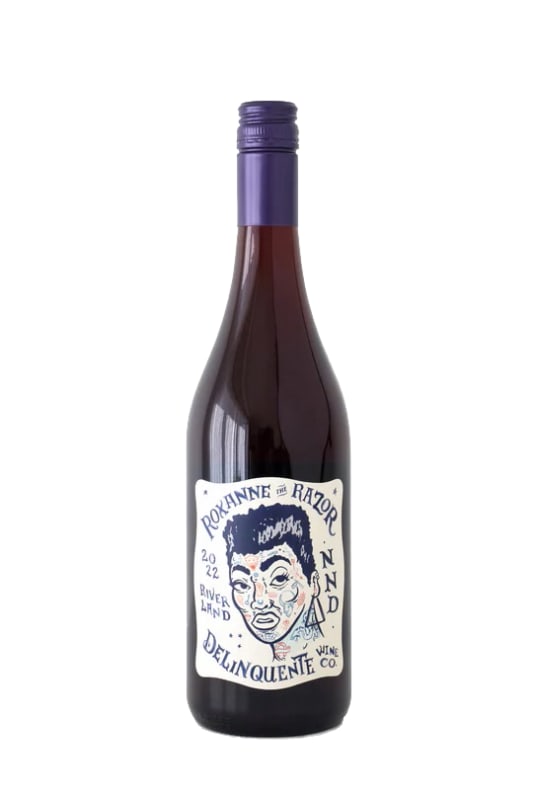


Winemaker Notes
The nose this year has a certain intensity – perfumed olive tapenade richness and savoriness belies the lightness on the palate. Fruit forward up front – maraschino cherry, spiced plum and quince – makes way for second half of lovely earthy, amaro-esque savoriness; cola berry/chinotto characters with a burnt orange undertone. These bitter, herbaceous moments work in tandem with the elevated, juicy fruit, held together by a touch of fuzzy tannin and grippy mouthfeel, to make a very, very drinkable, medium bodied red.
Blend: 90% Negroamaro, 10% Nero d'Avola


With hundreds of red grape varieties to choose from, winemakers have the freedom to create a virtually endless assortment of blended red wines. In many European regions, strict laws are in place determining the set of varieties that may be used, but in the New World, experimentation is permitted and encouraged resulting in a wide variety of red wine styles. Blending can be utilized to enhance balance or create complexity, lending different layers of flavors and aromas. For example, a red wine blend variety that creates a fruity and full-bodied wine would do well combined with one that is naturally high in acidity and tannins. Sometimes small amounts of a particular variety are added to boost color or aromatics. Blending can take place before or after fermentation, with the latter, more popular option giving more control to the winemaker over the final qualities of the wine.
How to Serve Red Wine
A common piece of advice is to serve red wine at “room temperature,” but this suggestion is imprecise. After all, room temperature in January is likely to be quite different than in August, even considering the possible effect of central heating and air conditioning systems. The proper temperature to aim for is 55° F to 60° F for lighter-bodied reds and 60° F to 65° F for fuller-bodied wines.
How Long Does Red Wine Last?
Once opened and re-corked, a bottle stored in a cool, dark environment (like your fridge) will stay fresh and nicely drinkable for a day or two. There are products available that can extend that period by a couple of days. As for unopened bottles, optimal storage means keeping them on their sides in a moderately humid environment at about 57° F. Red wines stored in this manner will stay good – and possibly improve – for anywhere from one year to multiple decades. Assessing how long to hold on to a bottle is a complicated science. If you are planning long-term storage of your reds, seek the advice of a wine professional.

Quite the powerhouse region thanks to its proximity to the Murray River (and thus irrigation potential), Riverland produces over half of South Australia’s total annual harvest. While its warm Mediterranean climate promotes large volume production, many smaller, premium producers abound. Australia’s usual suspects—Chardonnay, Shiraz and Cabernet—do great but a continuing local push for heat-loving Italian varieties like Vermentino and Nero d’Avola promises future diversity.