


Winemaker Notes
The wine's deep color is underscored by plummy hues. A complex nose shows deep, fruity aromas with hints of liquorice and roasted coffee. Endowed with a dense and silky tannic structure, this is a full, fleshy wine that provides an ample and generous palate. Its lasting finish speaks of considerable ageing potential.
Pairs well with fine meats, roasted beef, water games, truffles, spicy stews.
Professional Ratings
-
Wine Enthusiast
Sun-baked garrigue and smoky notes of iron and earth accent intensely ripe black cherry and cassis in this wine. Made from 100% Syrah, it’s a hulking powerhouse of black-fruit flavors but finessed by firm acidity and fine, integrated tannins. Stunning already it should improve through 2036 and hold further. Maisons Marques & Domaines USA.
-
Wine Spectator
Alluring, with warm fruitcake and black tea aromatics leading off for a lush and warm core of crushed plum, cherry reduction and blackberry pâte de fruit flavors. Despite the showy fruit detail, there's a solid iron underpinning, with pretty floral notes and bright energy throughout. Best from 2023 through 2038. 300 cases made, 188 cases imported.
-
Decanter
The first vintage of this wine was in 1997. It has resonant Côte-Rôtie aromatics; sylvan, resinous, and more vinous than many. It is medium to full-bodied, with generous, concentrated, sweetly-ripe fruit, very fine tannins and a fine seam of minerality that extends into the long, savoury finish. A serious wine this, very well balanced with unmistakable class from this distinguished site. Well-judged use of oak, this is harmonious already. Impressive.
-
Jeb Dunnuck
The 2016 Côte Rôtie La Landonne is another forward, charming, balanced beauty. Blackberries, violets, camphor, and hints of acacia flowers all emerge from this impressively balanced Côte Rôtie. As with the 2017, there's a forward, approachable style here, but it's seamless, elegant, and long. Both these wines are much more elegant and forward than previous vintages.
-
James Suckling
Compelling purity and depth of blackberries, framed in plenty of fresh, mocha-scented oak. The palate continues in the same vein with spicy, meaty, cherry, plum and mocha flavors. Warm, espresso finish.
Barrel Sample: 94-95 -
Robert Parker's Wine Advocate
Unlike most vintages (which require cellaring), the 2016 Cote Rotie La Landonne is already drinking well. It is perfumed and floral, with violets, herbs, pepper and rosemary notes coming together in a kaleidoscope of aromas and flavors that are backed by layers of silky-textured raspberry fruit. Medium to full-bodied, it's creamy and lush on the palate, with a long, delicate finish.
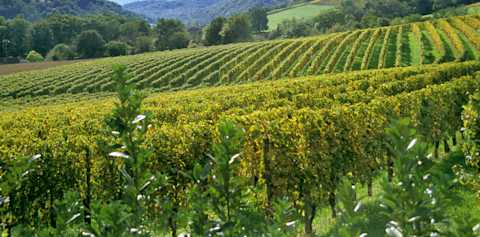




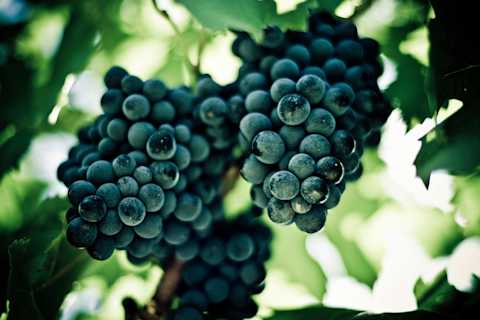
Marked by an unmistakable deep purple hue and savory aromatics, Syrah makes an intense, powerful and often age-worthy red. Native to the Northern Rhône, Syrah achieves its maximum potential in the steep village of Hermitage and plays an important component in the Red Rhône Blends of the south, adding color and structure to Grenache and Mourvèdre. Syrah is the most widely planted grape of Australia and is important in California and Washington. Sommelier Secret—Such a synergy these three create together, the Grenache, Syrah, Mourvedre trio often takes on the shorthand term, “GSM.”

The cultivation of vines here began with Greek settlers who arrived in 600 BC. Its proximity to Vienne was important then and also when that city became a Roman settlement but its situation, far from the negociants of Tain, led to its decline in more modern history. However the 1990s brought with it a revival fueled by one producer, Marcel Guigal, who believed in the zone’s potential. He, along with the critic, Robert Parker, are said to be responsible for the zone’s later 20th century renaissance.
Where the Rhone River turns, there is a build up of schist rock and a remarkable angle that produces slopes to maximize the rays of the sun. Cote Rotie remains one of the steepest in viticultural France. Its varied slopes have two designations. Some are dedicated as Côte Blonde and others as Côte Brune. Syrahs coming from Côte Blonde are lighter, more floral, and ready for earlier consumption—they can also include up to 20% of the highly scented Viognier. Those from Côte Brune are more sturdy, age-worthy and are typically nearly 100% Syrah. Either way, a Cote Rotie is going to have a particularly haunting and savory perfume, expressing a more feminine side of the northern Rhone.