
Winemaker Notes
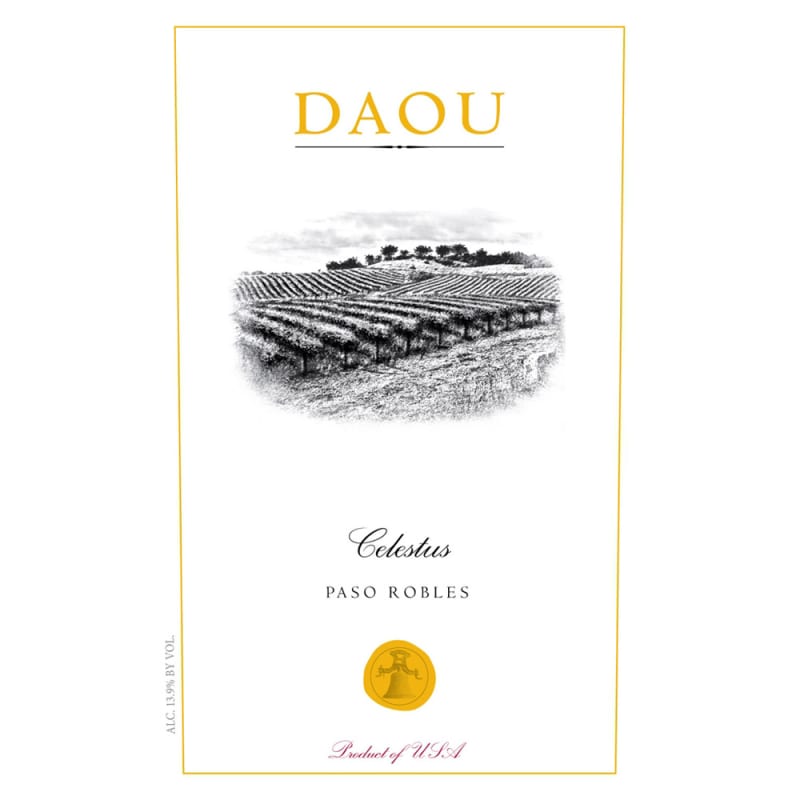
Blend: 59% Syrah, 32% Cabernet Sauvignon, 9% Petit Verdot
Professional Ratings
-
Tasting Panel
A blend of 59% Syrah, 32% Cabernet Sauvignon and 9% Petit Verdot, this is the best vintage of Celestus yet. A tightrope on the upper palate holds up sculpted tannins while the back of the mouth collects and energetic and enticing focus of black fruit and licorice. Brambly and peppered, this is a fine salute to Paso Robles' great charms; the juicy middle flows into a stream of sage, heather and mineral-earth.
-
Wine Spectator
Tight and attractive, this well-structured red offers a range of dried currant, road tar, crushed rock and mineral flavors. Given its level of intensity, this begs for at least short-term cellaring. Ends with chewy, integrated tannins. Syrah, Cabernet Sauvignon and Petit Verdot. Best from 2014 through 2023.
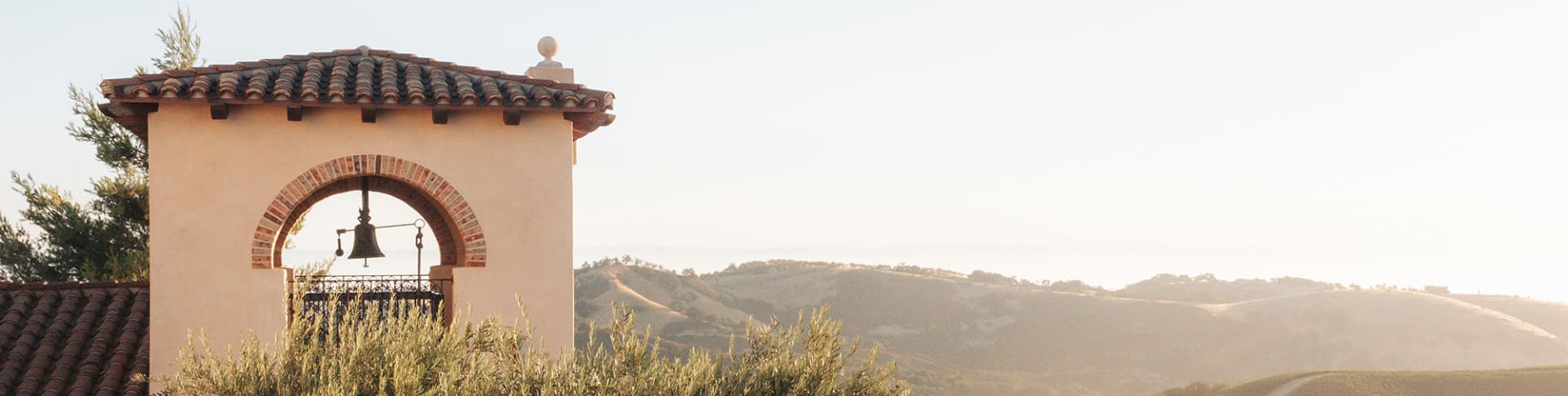




Brothers Georges Daou and Daniel Daou set forth across the globe to find an unrivaled terroir for producing Cabernet Sauvignon, a quest that led them to a place of foretold greatness: DAOU Mountain in the Adelaida District of Paso Robles. DAOU Family Estates is a family owned and operated winery committed to producing collectible, world-class wine to rival the most respected appellations. Situated on a 212-acre hilltop estate in the Adelaida District of Paso Robles, this remarkable mountain was once described by André Tchelistcheff, legendary winemaking authority, as “a jewel of ecological elements.”
DAOU Mountain stands alone at an elevation of 2,200 feet, rising from the heart of the Adelaida District in the rugged coastal range west of Paso Robles. The steep slopes here reach up to 56 percent, with uniform exposure to the elements across the estate. It is a terroir of power, purity and symmetry, with every natural asset necessary to pursue the perfect Cabernet Sauvignon—including calcareous clay soils that emulate Bordeaux’s Right Bank and a climate that mirrors St. Helena.
There is a power within this Mountain they call home. It is a power that can turn mere raindrops and roots into extraordinary wines—and into lasting relationships—that will endure for decades. Everyday the winery strives to create an experience as beautiful as these wines, ensuring that everyone feels like family. There is nothing more important than human connection.

With hundreds of red grape varieties to choose from, winemakers have the freedom to create a virtually endless assortment of blended red wines. In many European regions, strict laws are in place determining the set of varieties that may be used, but in the New World, experimentation is permitted and encouraged resulting in a wide variety of red wine styles. Blending can be utilized to enhance balance or create complexity, lending different layers of flavors and aromas. For example, a red wine blend variety that creates a fruity and full-bodied wine would do well combined with one that is naturally high in acidity and tannins. Sometimes small amounts of a particular variety are added to boost color or aromatics. Blending can take place before or after fermentation, with the latter, more popular option giving more control to the winemaker over the final qualities of the wine.
How to Serve Red Wine
A common piece of advice is to serve red wine at “room temperature,” but this suggestion is imprecise. After all, room temperature in January is likely to be quite different than in August, even considering the possible effect of central heating and air conditioning systems. The proper temperature to aim for is 55° F to 60° F for lighter-bodied reds and 60° F to 65° F for fuller-bodied wines.
How Long Does Red Wine Last?
Once opened and re-corked, a bottle stored in a cool, dark environment (like your fridge) will stay fresh and nicely drinkable for a day or two. There are products available that can extend that period by a couple of days. As for unopened bottles, optimal storage means keeping them on their sides in a moderately humid environment at about 57° F. Red wines stored in this manner will stay good – and possibly improve – for anywhere from one year to multiple decades. Assessing how long to hold on to a bottle is a complicated science. If you are planning long-term storage of your reds, seek the advice of a wine professional.
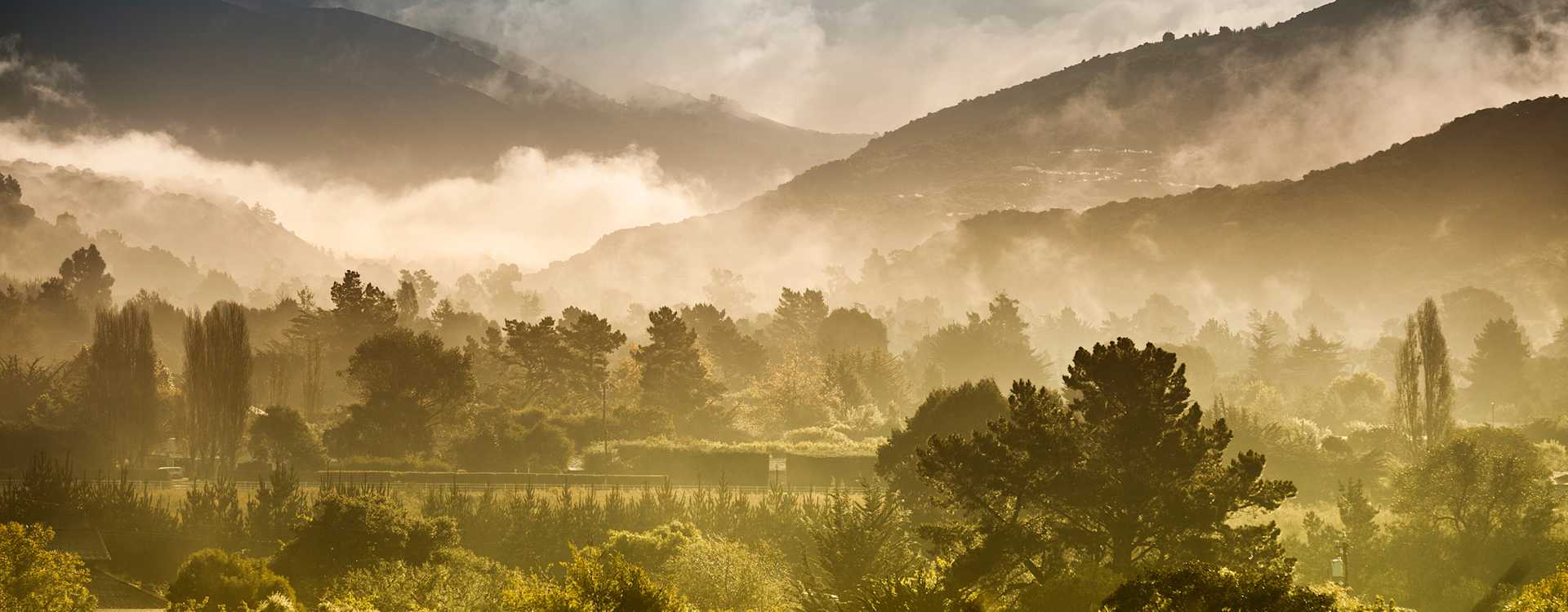
The largest and perhaps most varied of California’s wine-growing regions, the Central Coast produces a good majority of the state's wine. This vast California wine district stretches from San Francisco all the way to Santa Barbara along the coast, and reaches inland nearly all the way to the Central Valley.
Encompassing an extremely diverse array of climates, soil types and wine styles, it contains many smaller sub-AVAs, including San Francisco Bay, Monterey, the Santa Cruz Mountains, Paso Robles, Edna Valley, Santa Ynez Valley and Santa Maria Valley.
While the Central Coast California wine region could probably support almost any major grape varietiy, it is famous for a few Central Coast reds and whites. Pinot Noir, Chardonnay, Cabernet Sauvignon and Zinfandel are among the major ones. The Central Coast is home to many of the state's small, artisanal wineries crafting unique, high-quality wines, as well as larger producers also making exceptional wines.