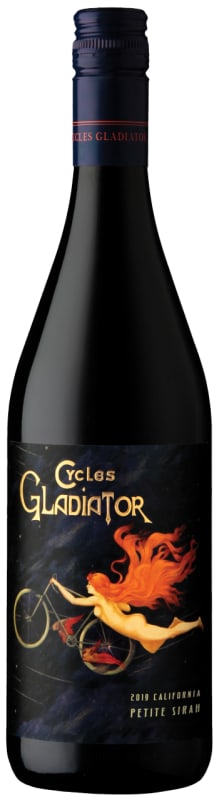


Winemaker Notes
Aromas of boysenberry pie filling with notes of cinnamon and cedar. Ripe flavors of dark, riparian fruit at the front of the palate followed with notes of black cherry and blueberry jam. Fairly structured with a delicate acid thread and lush, melting
tannins. Great mouthful of wine that has a pretty serious finish.


With its deep color, firm tannins and bold flavors, there is nothing petite about Petite Sirah. The variety, originally known as Durif in the Rhône, took on its more popular moniker after being imported to California in the early 1880s. Quintessentially recognized today as a grape of the Golden State, Petite Sirah works well blended with Zinfandel and finds success as a single varietal wine in the state’s warmer districts. Somm Secret—Petite Sirah is not a smaller version of Syrah but it is an offspring of Syrah and the now nearly extinct French Alpine variety called Peloursin.
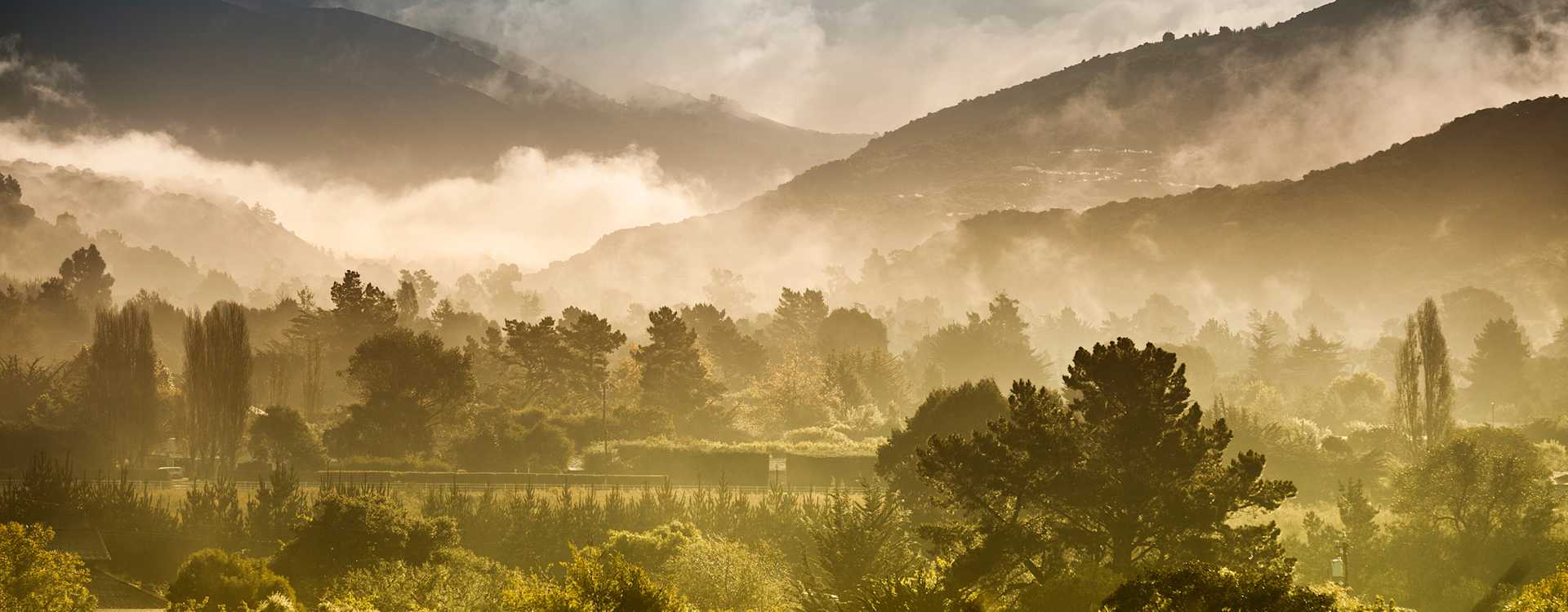
The largest and perhaps most varied of California’s wine-growing regions, the Central Coast produces a good majority of the state's wine. This vast California wine district stretches from San Francisco all the way to Santa Barbara along the coast, and reaches inland nearly all the way to the Central Valley.
Encompassing an extremely diverse array of climates, soil types and wine styles, it contains many smaller sub-AVAs, including San Francisco Bay, Monterey, the Santa Cruz Mountains, Paso Robles, Edna Valley, Santa Ynez Valley and Santa Maria Valley.
While the Central Coast California wine region could probably support almost any major grape varietiy, it is famous for a few Central Coast reds and whites. Pinot Noir, Chardonnay, Cabernet Sauvignon and Zinfandel are among the major ones. The Central Coast is home to many of the state's small, artisanal wineries crafting unique, high-quality wines, as well as larger producers also making exceptional wines.