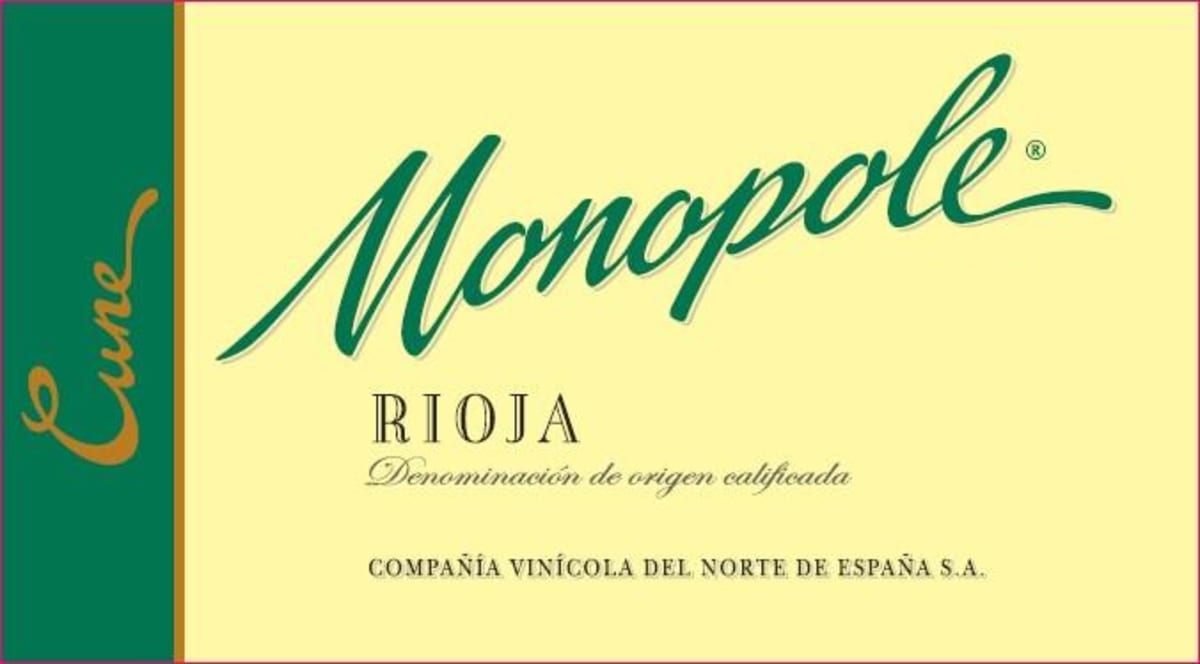

Winemaker Notes





Cvne, is situated in Rioja in the traditional neighborhood of the station, where the oldest wineries of Rioja Alta established themselves, for the main reason of transporting their goods to the port of Bilbao.
In 1879, two brothers decided to set up a business in the recently flourishing trade of the wine business. C.V.N.E., Compañía Vinicola del Norte de España (The Northern Spanish Wine Company) or la Cuné, as it is commonly known in Haro, was created. This cellar still reflects the origins of the company and is kept in the traditional neighborhood of the Haro station.
The Cune winery in Haro, is made up of a group of buildings, mostly from the 19th century and arranged around a courtyard surrounded by pavilions for the purpose of wine production, aging, and bottling.

There are hundreds of white grape varieties grown throughout the world. Some are indigenous specialties capable of producing excellent single varietal wines. Each has its own distinct viticultural characteristics, as well as aroma and flavor profiles.

Highly regarded for distinctive and age-worthy red wines, Rioja is Spain’s most celebrated wine region. Made up of three different sub-regions of varying elevation: Rioja Alta, Rioja Alavesa and Rioja Oriental. Wines are typically a blend of fruit from all three, although specific sub-region (zonas), village (municipios) and vineyard (viñedo singular) wines can now be labeled. Rioja Alta, at the highest elevation, is considered to be the source of the brightest, most elegant fruit, while grapes from the warmer and drier Rioja Oriental produce wines with deep color and higher alcohol, which can add great body and richness to a blend.
Fresh and fruity Rioja wines labeled, Joven, (meaning young) see minimal aging before release, but more serious Rioja wines undergo multiple years in oak. Crianza and Reserva styles are aged for one year in oak, and Gran Reserva at least two, but in practice this maturation period is often quite a bit longer—up to about fifteen years.
Tempranillo provides the backbone of Rioja red wines, adding complex notes of red and black fruit, leather, toast and tobacco, while Garnacha supplies body. In smaller percentages, Graciano and Mazuelo (Carignan) often serve as “seasoning” with additional flavors and aromas. These same varieties are responsible for flavorful dry rosés.
White wines, typically balancing freshness with complexity, are made mostly from crisp, fresh Viura. Some whites are blends of Viura with aromatic Malvasia, and then barrel fermented and aged to make a more ample, richer style of white.