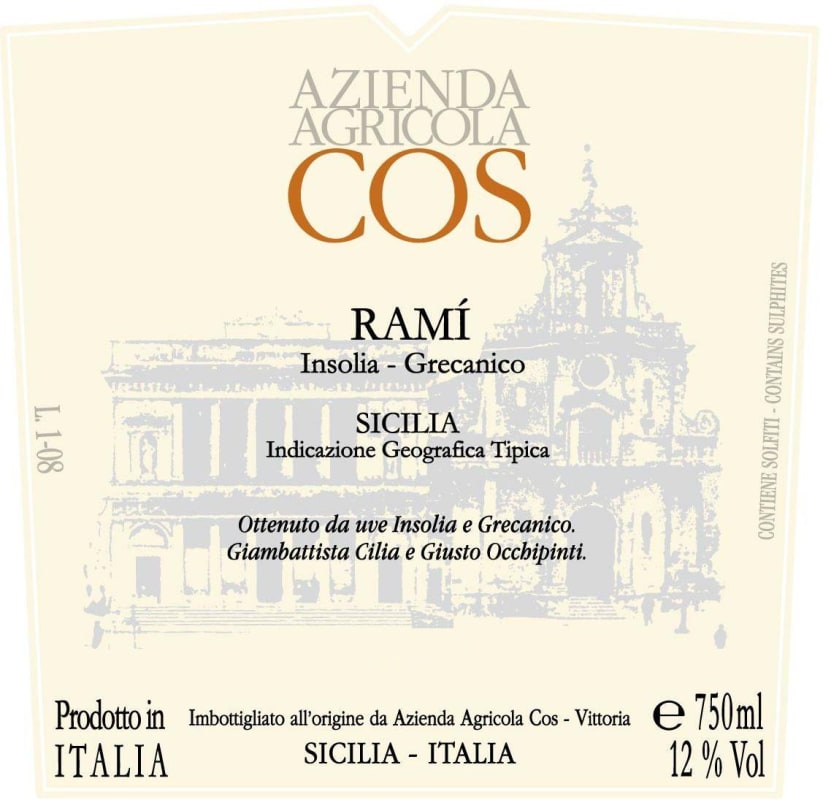

Winemaker Notes


What is orange wine?
“Orange wine” is the most common term in modern American culture used to describe a white wine that is made like a red wine. In other words, it is a white wine made from white grapes that ferment while in contact with their skins (rather than being pressed). You’ll also see the terms, “skin-contact wine,” or in Italian, ramato (copper-colored) to describe this style.
How is orange wine made?
In modern winemaking, to make fresh white wine, pale-skinned grapes need to be pressed immediately after harvest so that the juice can ferment free from the skins and seeds. In ancient winemaking they didn’t have presses or other fancy winery equipment so made use of the tools at hand—mainly just vats for fermenting. This skin-contact style dates back to the 6th millennium BC in what is modern day Georgia (the country). At that time, they fermented ripe white grapes together with their skins, seeds and stems in a clay amphora, called a qvevri, which were sealed and buried in underground vessels for 5-6 months.
Where does orange wine come from?
Today’s modern skin-contact winemakers pay homage to this non-interventionist style of white winemaking. Though some people dismiss it as a fad, this age-old style has been resurfacing on the global scene over the last twenty or so years. Multiple countries make it—Georgia (of course), Slovenia, Italy, the U.S. and Australia to name a few. Each country produces this style in a different way with time on skins ranging anywhere from a half a day to multiple weeks. This creates a range of results in the finished wine. The color of these wines can be golden yellow to vibrant popsicle orange.
Tasting notes for orange wine
The time on skins also adds tannins and phenols to the finished wine and skin-contact wines normally show off a bright acidity. Typical flavors and aromas include bruised apple, peach, orange rind, lemongrass, lemon balm, chamomile, juniper, ginger, exotic spice, honey, beeswax and hazelnut.
Perfect food pairings for orange wine
Because of their complexity in aromas and flavors, structure and good acidity, skin-contact wines pair with a wide variety of foods. Common pairings include cream sauces, curries, spicy foods, roasted poultry and any seafood including shellfish.

A large, geographically and climatically diverse island, just off the toe of Italy, Sicily has long been recognized for its fortified Marsala wines. But it is also a wonderful source of diverse, high quality red and white wines. Steadily increasing in popularity over the past few decades, Italy’s fourth largest wine-producing region is finally receiving the accolades it deserves and shining in today's global market.
Though most think of the climate here as simply hot and dry, variations on this sun-drenched island range from cool Mediterranean along the coastlines to more extreme in its inland zones. Of particular note are the various microclimates of Europe's largest volcano, Mount Etna, where vineyards grow on drastically steep hillsides and varying aspects to the Ionian Sea. The more noteworthy red and white Sicilian wines that come from the volcanic soils of Mount Etna include Nerello Mascalese and Nerello Cappuccio (reds) and Carricante (whites). All share a racy streak of minerality and, at their best, bear resemblance to their respective red and white Burgundies.
Nero d’Avola is the most widely planted red variety, and is great either as single varietal bottling or in blends with other indigenous varieties or even with international ones. For example, Nero d'Avola is blended with the lighter and floral, Frappato grape, to create the elegant, Cerasuolo di Vittoria, one of the more traditional and respected Sicilian wines of the island.
Grillo and Inzolia, the grapes of Marsala, are also used to produce aromatic, crisp dry Sicilian white. Pantelleria, a subtropical island belonging to the province of Sicily, specializes in Moscato di Pantelleria, made from the variety locally known as Zibibbo.