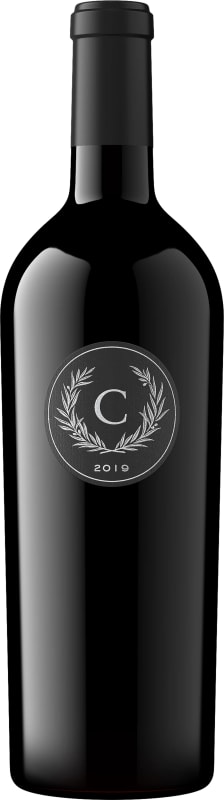


Winemaker Notes
Blackberry aromas shine alongside refined hints of tobacco, cedar, and graphite. The medium to full-bodied profile features a rich blend of blackberry, Bing cherry, and spiced plum flavors, framed by sweet vanilla oak, and mocha undertones. Fine-grained tannins lead to a lingering finish with a touch of chalky minerality.
Blend: 82% Cabernet Sauvignon, 8% Merlot, 6% Cabernet Franc, 2% Petit Verdot, 2% Malbec
Professional Ratings
-
Decanter
The Conn Creek 'Special Selection' is a blend of appellations that were among the original sources of the estate (established in 1973) and from sites around Napa Valley. The idea is to frame a classically fashioned snapshot of Napa Cabernet through the eyes of Elizabeth DeLouise-Gant, who has been making the wines since 2017. Previously, she worked at Beaulieu Vineyard, Tamber Bey, and Stag's Leap Wine Cellars. This 2019 is over a classic vintage expression, with fruit from Mt. Veeder, Oakville, St. Helena, Howell Mountain, Rutherford, Atlas Peak, and Spring Mountain AVAs. Very pretty blackberry fruit aromas, nuanced by tobacco, cedarwood, and graphite. Medium to full-bodied with tobacco-laced blackberry fruit, Bing cherry, and spiced plums, with delicious vanilla-kissed sweet oak spices and an undercurrent of mocha with fine-grained tannins and a finish of chalky minerality.


One of the most prestigious wines of the world capable of great power and grace, Napa Valley Cabernet is a leading force in the world of fine, famous, collectible red wine. Today the Napa Valley and Cabernet Sauvignon are so intrinsically linked that it is difficult to discuss one without the other. But it wasn’t until the 1970s that this marriage came to light; sudden international recognition rained upon Napa with the victory of the Stag’s Leap Wine Cellars 1973 Cabernet Sauvignon in the 1976 Judgement of Paris.
Cabernet Sauvignon undoubtedly dominates Napa Valley today, covering half of the land under vine, commanding the highest prices per ton and earning the most critical acclaim. Cabernet Sauvignon’s structure, acidity, capacity to thrive in multiple environs and ability to express nuances of vintage make it perfect for Napa Valley where incredible soil and geographical diversity are found and the climate is perfect for grape growing. Within the Napa Valley lie many smaller sub-AVAs that express specific characteristics based on situation, slope and soil—as a perfect example, Rutherford’s famous dust or Stags Leap District's tart cherry flavors.