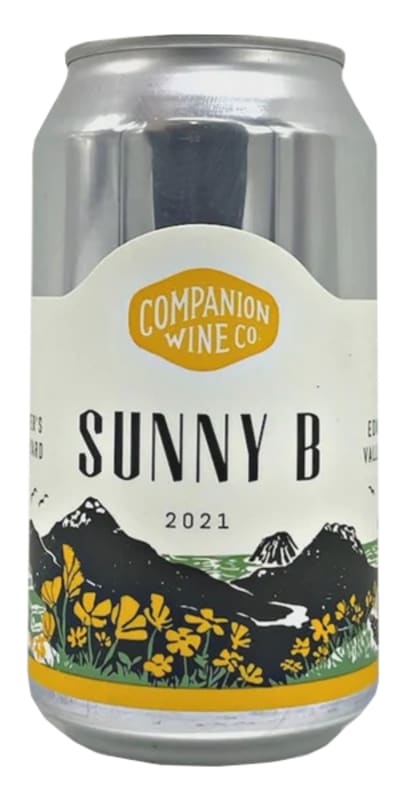


Winemaker Notes
#90 Wine Spectator Top 100 of 2022
Professional Ratings
-
Wine Spectator
Plump, fragrant and juicy, with pineapple, peach and melon flavors that are seamless, fresh and succulent, showing an aromatic note of lemon blossom and a touch of candied ginger on the long, expressive finish. Sauvignon Blanc and Chardonnay. Sold as a 375ml can. Drink now.

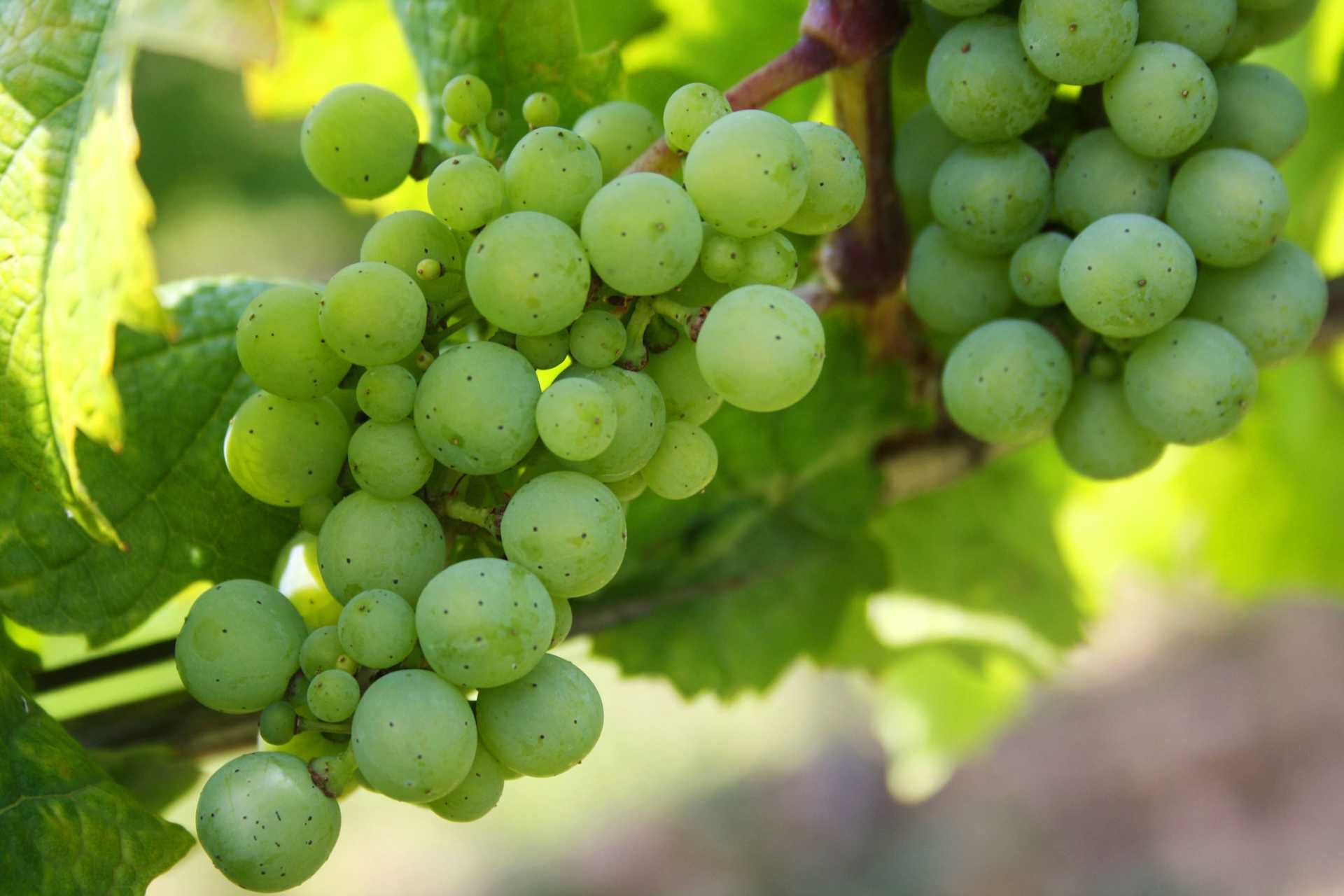
With hundreds of white grape varieties to choose from, winemakers have the freedom to create a virtually endless assortment of blended white wines. In many European regions, strict laws are in place determining the set of varieties that may be used in white wine blends, but in the New World, experimentation is permitted and encouraged. Blending can be utilized to enhance balance or create complexity, lending different layers of flavors and aromas. For example, a variety that creates a soft and full-bodied white wine blend, like Chardonnay, would do well combined with one that is more fragrant and naturally high in acidity. Sometimes small amounts of a particular variety are added to boost color or aromatics. Blending can take place before or after fermentation, with the latter, more popular option giving more control to the winemaker over the final qualities of the wine.
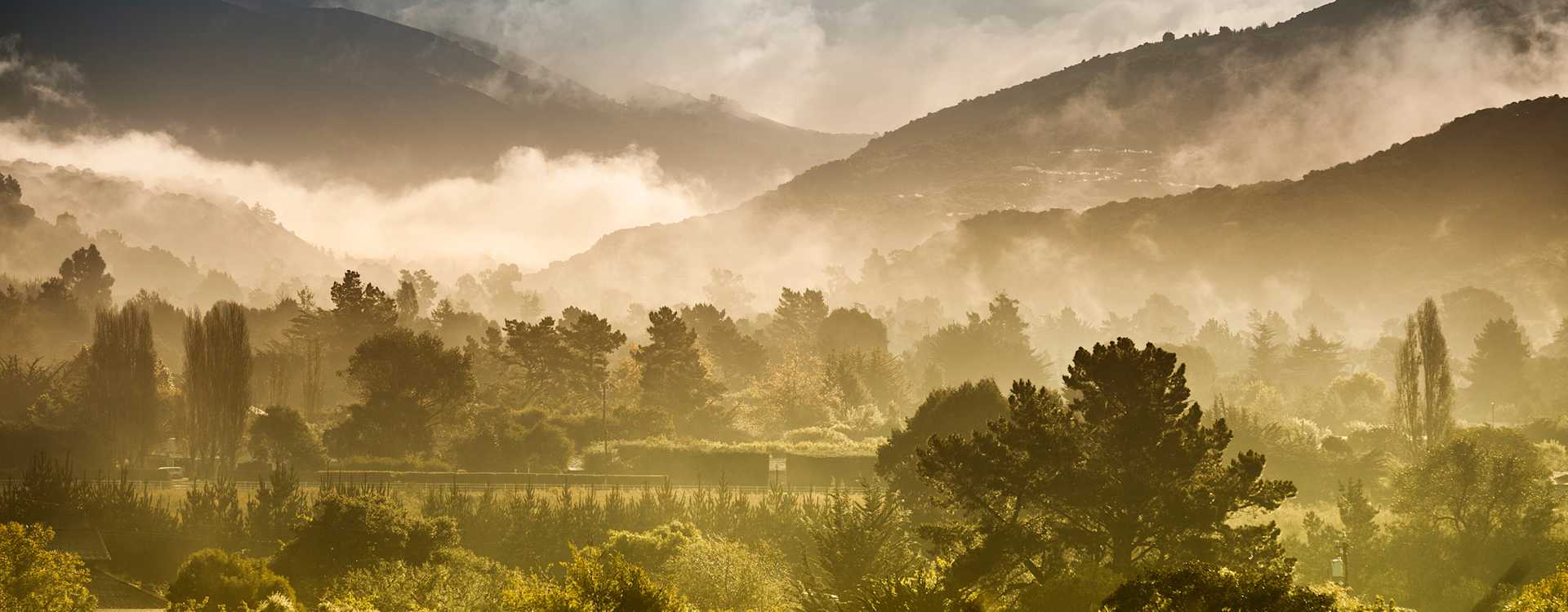
California’s coolest wine growing area, Edna Valley excels in the production of high quality Central Coast wines like Pinot noir, Chardonnay, Rhône Blends and aromatic white wines. It has a cool Mediterranean climate and an incredibly long growing season, giving late-ripening varieties plenty of opportunity to develop great phenolic complexity.
Its northwest to southeast orientation creates a direct path for cool Pacific air and fog to penetrate the valley from the Los Osos and Morro Bay area inwards. Low hillsides of both calcareous and volcanic soils are home to much of the vineyard acreage of the Edna Valley.