


Winemaker Notes
Deep ruby red. Complex and pleasant, the fruity notes, mainly of cherry and little red fruits are combined with spicy nuances. Good structure, soft and enveloping. The tannins are evident but silky and lead to a long-lasting persistent and pleasant fruity aftertaste.
Professional Ratings
-
James Suckling
Fine spices, iron, minerals, fresh berries and grapefruit. Juicy, firm and fluid on the palate, with a medium body and an effortless finish. Not complex nor does it conceal great inner depth, but this is quite well balanced and drinkable.
-
Wine Spectator
Cherry, iron and tobacco aromas and flavors are the hallmarks of this intense Rosso. Nevertheless, from the beginning theres a beam of cherry and floral notes that remains persistent and helps to balance this red, along with its vibrant acidity. Drink now through 2030. 15,000 cases made, 2,000 cases imported.
-
Vinous
The 2022 Rosso di Montalcino is spicy, mixing cedar shavings with cloves, spiced orange and dried strawberries. It sweeps across the palate with ease, silky smooth and racy, displaying ripe red berry fruits and sour citrus. The 2022 leaves the senses reeling through the finish, ripe in style yet fresh and spry, with a pleasantly bitter tinge of ground clove that fades slowly.
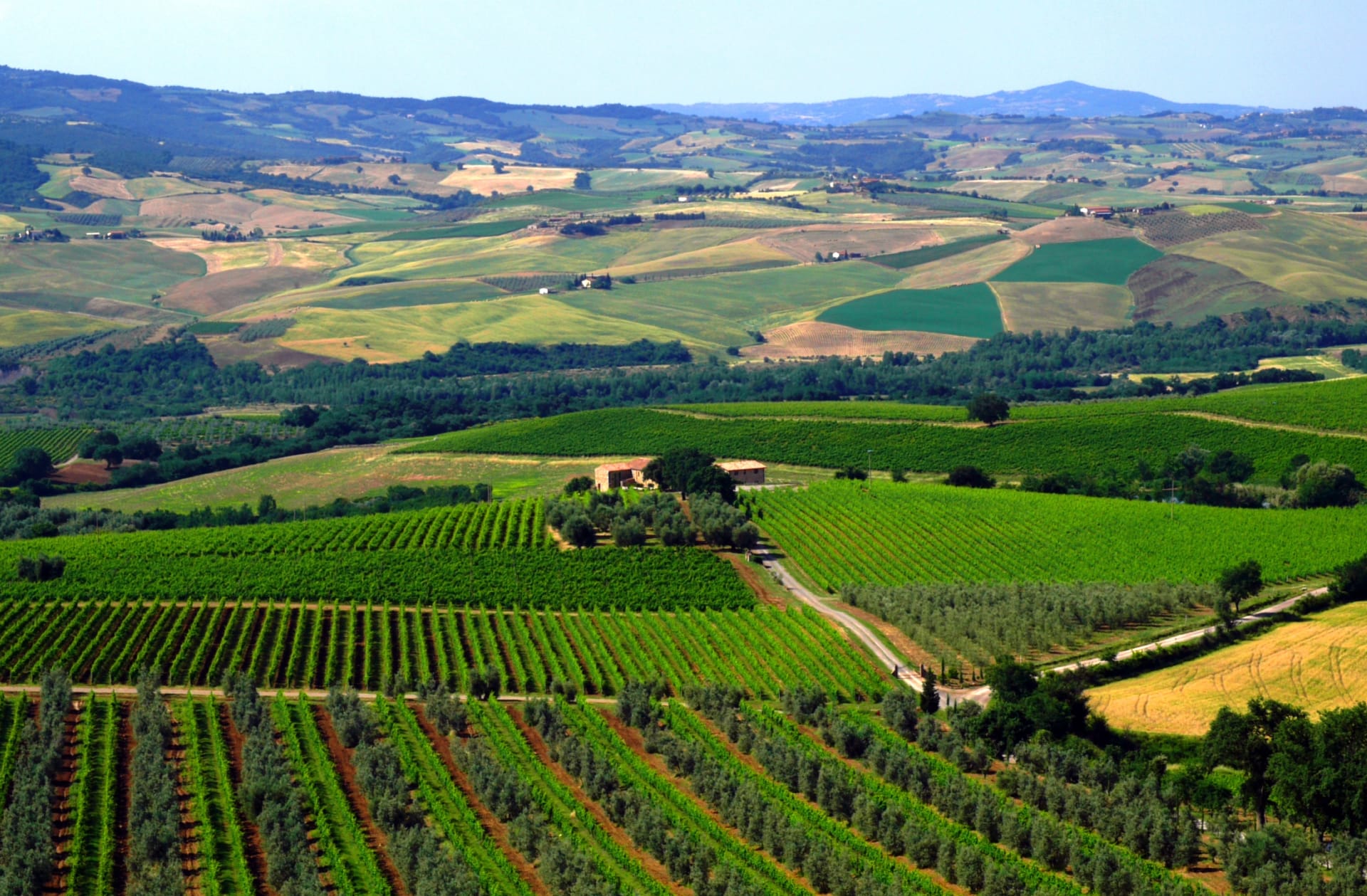


As one of the original estates of Montalcino and now the largest certified organic estate in Tuscany, Col d’Orcia is a leader in Brunello di Montalcino, helping to define and promote one of Italy’s most prestigious wine regions. Tradition, integrity and sustainability are the pillars of the estate, whose classic style wines are celebrated all over the world.
Situated on the outskirts of the medieval hilltop village of Montalcino in Tuscany’s Siena province, the estate has a rich winemaking history that dates back to the 1700s. In 1973, the estate was purchased by the Cinzano family, who markedly increased the vineyard holdings. They are now the third largest owner of Brunello vineyards in Montalcino. Proudly defined as an ‘organic island,’ Col d’Orcia is committed to maintaining the natural environment in which it operates and has, for many years, employed organic farming practices. The entire estate includes vineyards, gardens, olive groves, tobacco and wheat fields, which are all farmed following exclusively organic agricultural practices. In 2010, the estate underwent the organic farming certification process and is now the largest certified organic wine producing farm in all of Tuscany.
The estate’s name translates to “the hill overlooking the Orcia River,” due to its position in the undulating hills between the Orcia River and Sant’Angelo in Colle. Here, southern orientations provide vines with abundant exposure to sunshine and vineyard soils comprised of limestone and marl facilitate natural irrigation. Located at about 1500 feet above sea level, the estate is favorably positioned against Mount Amiata (5,700 feet) which helps shield the property from floods and hail. The climate is typically Mediterranean, with limited rainfall coming in from the Tyrrhenian coast, 21 miles away.
The estate is currently owned and managed by Count Francesco Marone Cinzano. A world traveler with boundless energy, the Count is a tireless ambassador for his estate as well as the Montalcino region. Under his leadership, plantings have expanded exponentially at Col d’Orcia and the estate has been transformed into an organic farm. Col d'Orcia was named "Environmental Advocate of the Year 2025" by Wine Enthusiast.

Among Italy's elite red grape varieties, Sangiovese has the perfect intersection of bright red fruit and savory earthiness and is responsible for the best red wines of Tuscany. While it is best known as the chief component of Chianti, it is also the main grape in Vino Nobile di Montepulciano and reaches the height of its power and intensity in the complex, long-lived Brunello di Montalcino. Somm Secret—Sangiovese doubles under the alias, Nielluccio, on the French island of Corsica where it produces distinctly floral and refreshing reds and rosés.

Famous for its bold, layered and long-lived red, Brunello di Montalcino, the town of Montalcino is about 70 miles south of Florence, and has a warmer and drier climate than that of its neighbor, Chianti. The Sangiovese grape is king here, as it is in Chianti, but Montalcino has its own clone called Brunello.
The Brunello vineyards of Montalcino blanket the rolling hills surrounding the village and fan out at various elevations, creating the potential for Brunello wines expressing different styles. From the valleys, where deeper deposits of clay are found, come wines typically bolder, more concentrated and rich in opulent black fruit. The hillside vineyards produce wines more concentrated in red fruits and floral aromas; these sites reach up to over 1,600 feet and have shallow soils of rocks and shale.
Brunello di Montalcino by law must be aged a minimum of four years, including two years in barrel before realease and once released, typically needs more time in bottle for its drinking potential to be fully reached. The good news is that Montalcino makes a “baby brother” version. The wines called Rosso di Montalcino are often made from younger vines, aged for about a year before release, offer extraordinary values and are ready to drink young.