

Winemaker Notes
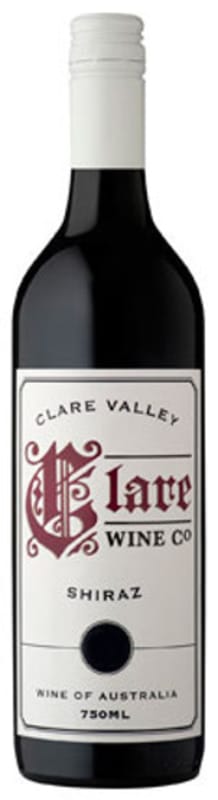
The 2013 Shiraz was matured in 25% new French oak and the balance 3 and 4 year old French oak barriques for 12 months. This has given a hint of oak but still allowing the fruit to dominate. Vibrant rose red. Nose: Sweet dark red berries such as plums and mulberry. Full bodied yet elegant palate, spicy, cherry ripe & hints of chocolate that is fruit dominated with good length.
Professional Ratings
-
Robert Parker's Wine Advocate
Deep purple-black in color, the 2013 Shiraz is profoundly scented of baked black plums, blackberry and blueberry preserves with a waft of tar, roses and chargrill. Powerful, full-bodied and concentrated in the mouth, the chewy tannins hold through the long finish.


Marked by an unmistakable deep purple hue and savory aromatics, Syrah makes an intense, powerful and often age-worthy red. Native to the Northern Rhône, Syrah achieves its maximum potential in the steep village of Hermitage and plays an important component in the Red Rhône Blends of the south, adding color and structure to Grenache and Mourvèdre. Syrah is the most widely planted grape of Australia and is important in California and Washington. Sommelier Secret—Such a synergy these three create together, the Grenache, Syrah, Mourvedre trio often takes on the shorthand term, “GSM.”
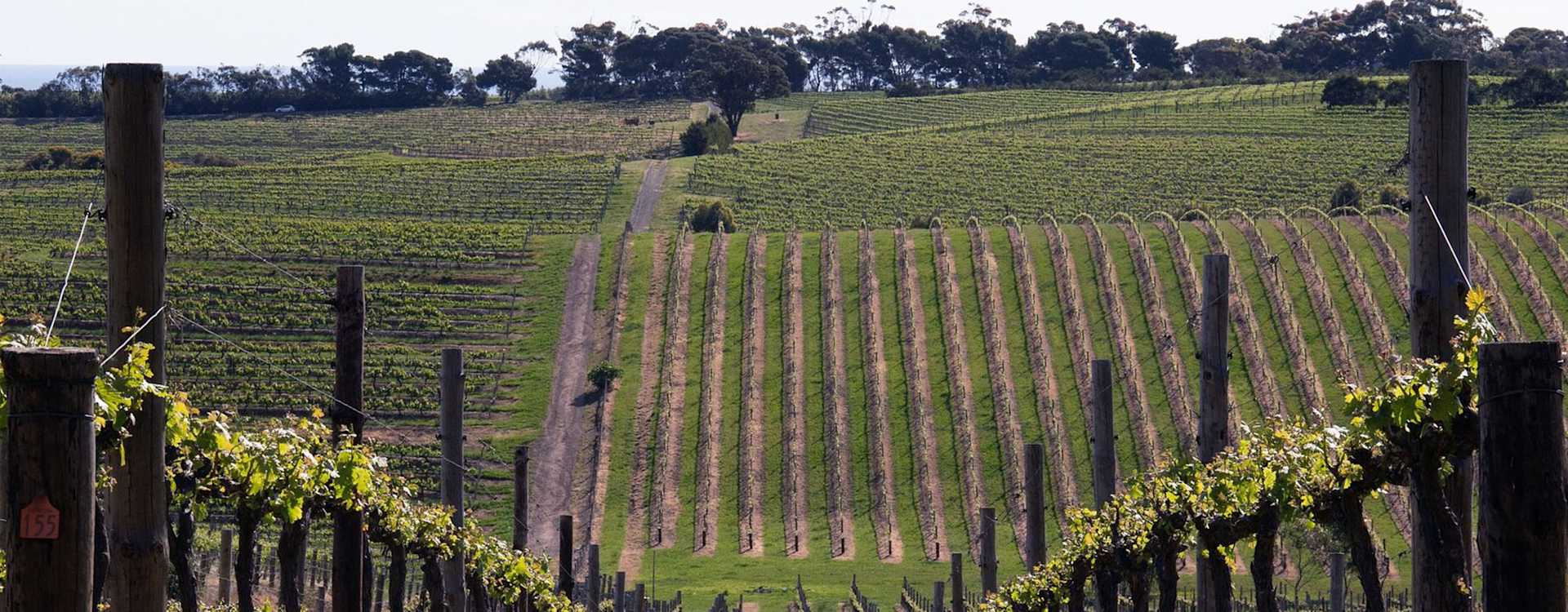
The Clare Valley is actually a series of narrow north to south valleys, each with a different soil type and slightly different weather patterns along their stretch. In the southern heartland between Watervale and Auburn, there is mainly a crumbled, red clay loam soil called terra rossa and cool breezes come in from Gulf St. Vincent. A few miles north, in Polish Hill, is soft, red loam over clay; westerlies blowing in from the Spencer Gulf influece this area's climate.
The differences in soil, elevation, degree of slope and weather enable the region to produce some of Australia’s finest, aromatic, spicy and lime-pithy Rieslings, as well as excellent Shiraz, Cabernet Sauvignon and Malbec with ripe plummy fruit, good acid and big structure.
Clare Valley is an isolated farming country with a continental climate known for its warm and sunny days, followed by cool nights—perfect for wine grapes’ development of sugar and phenolic ripeness in conjunction with notable acidity levels.