

Winemaker Notes
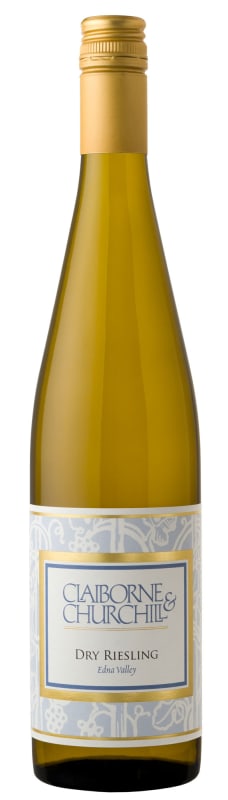
The 2016 Dry Riesling embodies the classic profiles of Alsatian-inspired Riesling that Clay and Fredericka set out to produce back in 1983. It opens with perfumes of lemon zest, delicate flowers, and a hint of resin. On the palate, this wine offers white peach, melon, and green apple laced with minerality and spice. Rich in texture, firm in structure, and bright in acidity, this wine will shine when paired with salmon, chicken, and vegetables cooked on the grill.
Professional Ratings
-
Wine Enthusiast
The nose of this bottling is all about bright citrus and yellow flower, with upfront aromas suggesting crushed white rocks, grapefruit pith and sweet grass. It's supercrisp, grippy and sharp in acidity on the palate, showing white flower and clover honey flavors as it opens.
-
Wilfred Wong of Wine.com
COMMENTARY: I have often been attracted to Central Coast Rieslings for their richness, balance, and crispness (mostly from artisan producers). The 2016 Claiborne & Churchill Dry Riesling is a wine that fits those descriptors. TASTING NOTES: This wine offers bright core fruits and rich textures make this an excellent choice with lightly grilled swordfish. (Tasted: May 21, 2018, San Francisco, CA)


Riesling possesses a remarkable ability to reflect the character of wherever it is grown while still maintaining its identity. A regal variety of incredible purity and precision, this versatile grape can be just as enjoyable dry or sweet, young or old, still or sparkling and can age longer than nearly any other white variety. Somm Secret—Given how difficult it is to discern the level of sweetness in a Riesling from the label, here are some clues to find the dry ones. First, look for the world “trocken.” (“Halbtrocken” or “feinherb” mean off-dry.) Also a higher abv usually indicates a drier Riesling.
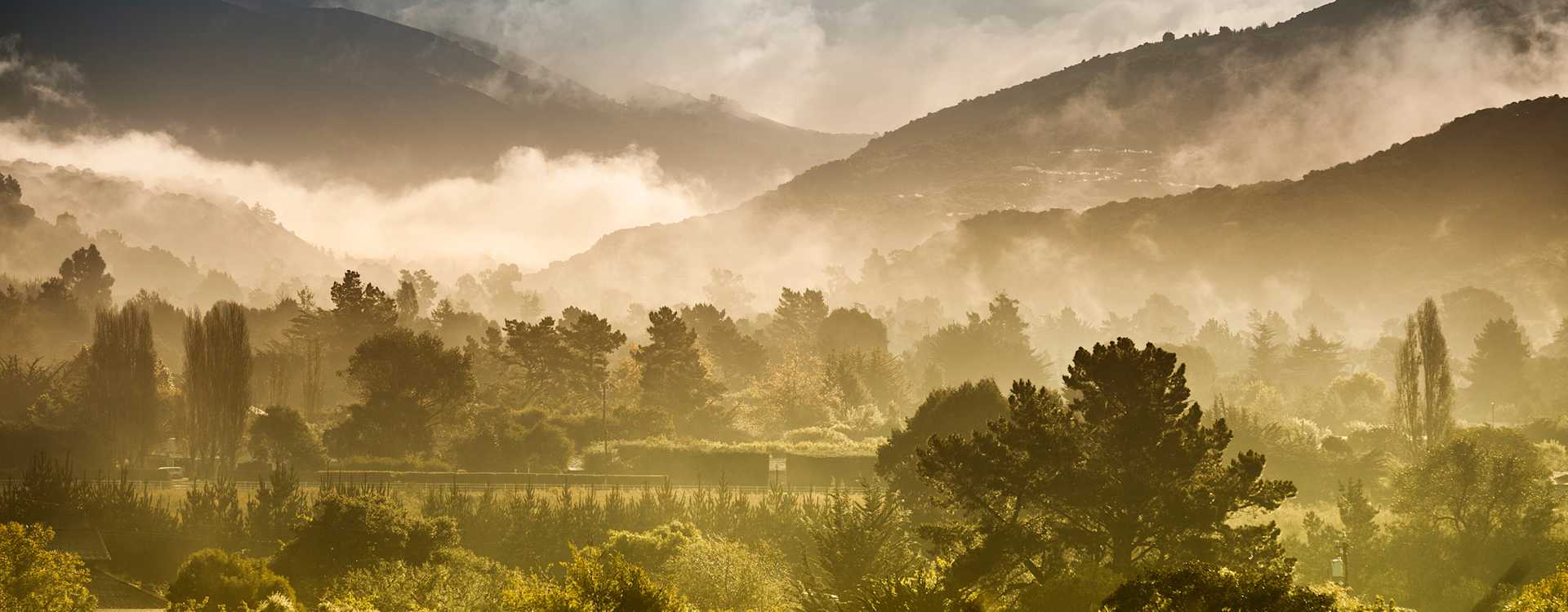
The largest and perhaps most varied of California’s wine-growing regions, the Central Coast produces a good majority of the state's wine. This vast California wine district stretches from San Francisco all the way to Santa Barbara along the coast, and reaches inland nearly all the way to the Central Valley.
Encompassing an extremely diverse array of climates, soil types and wine styles, it contains many smaller sub-AVAs, including San Francisco Bay, Monterey, the Santa Cruz Mountains, Paso Robles, Edna Valley, Santa Ynez Valley and Santa Maria Valley.
While the Central Coast California wine region could probably support almost any major grape varietiy, it is famous for a few Central Coast reds and whites. Pinot Noir, Chardonnay, Cabernet Sauvignon and Zinfandel are among the major ones. The Central Coast is home to many of the state's small, artisanal wineries crafting unique, high-quality wines, as well as larger producers also making exceptional wines.