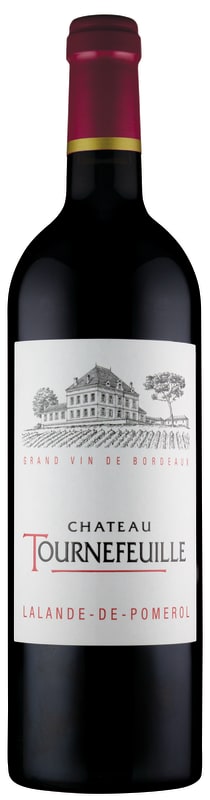


Winemaker Notes
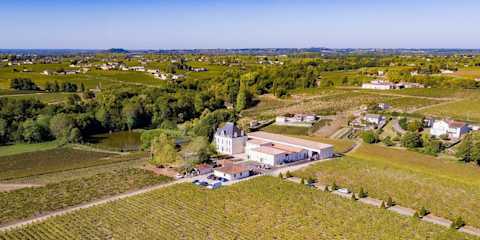
Located on a unique clay-gravel slope in the village of Néac, the Château Tournefeuille vineyard has stunning views of the famous Pomerol terroirs and the legendary Petrus plateau. The wines here are characterized by their roundness, density, power and length; drawing all their complexity from this terroir.
Professional Ratings
-
James Suckling
A ripe and plummy nose with a touch of baked cherries and spices. Juicy and fruity on the palate with fine-grained tannins and a medium-long finish. Balanced and approachable.
-
Wine Spectator
This is subtle yet generous in feel, with seductive notes of gently mulled plum and black cherry that glide along over the velvety structure. The finish is infused with black tea and sandalwood. Merlot and Cabernet Franc. Drink now through 2032.
-
Wine Enthusiast
This wine, produced from a sloping clay and gravel vineyard, has vanilla and red cherry aromas. It is young, rich and full with blackberry fruits and a streak of tight acidity. Drink from 2026.
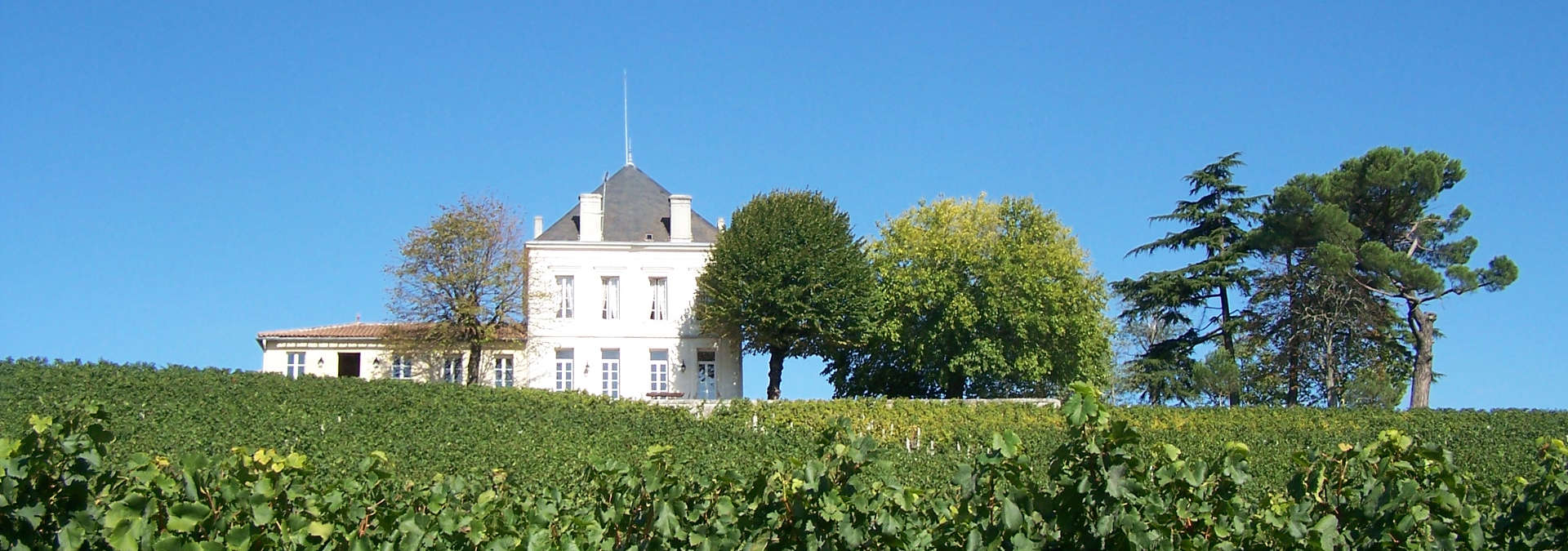


Chateau Tournefeuille is a lovely estate that dates from the mid-18th century and was acquired by the Petit family in 1998. It is owned and managed by Emeric Petit whose family have been in the wine business since 1735. Tournefeuille refers to the “turning leaves” on the windy hill where the property lies. Located in the village of Néac, Cha^teau Tournefeuille benefits from an exceptional terroir, very similar to that of Pomerol. Its vineyards are adjacent to some of the most prestigious estates in the Pomerol region, including Château La Fleur Petrus, Château Gazin and Petrus. In fact, Tournefeuille’s vineyards share the same blue clay terroir with Petrus.
In the early years of his ownership of the estate, Emeric Petit was assisted by the famous oenologist Mr. Jean-Claude Berrouet (of Petrus) and Ms. Catherine Cohen. Today, Emeric is a rising star and making a name for himself with his consistently excellent wines. Tournefeuille is a lovely boutique estate and a prime example of the new wave of attractively priced, outstanding wine coming from the right bank of Bordeaux. It is one of the leading estates in the Lalande-de-Pomerol appellation.
The vineyard is 18 hectares in size (44 acres) from a single vineyard. The vines are 40 years old in average and lie on clay-gravel soils. After manuel harvest, the grapes are sorted by hand and are fermented in concrete tanks. Vinifications are done by parcel to increase precision. The wine is aged 12-14 months in 80% new French oak before bottling. Estate grown and bottled. Sustainable and organic practices.
Today, Emeric Petit owns and manages Château Tournefeuille Lalande-de-Pomerol, Cha^teau Lecuyer Pomerol and Château La Reverence St. Emilion Grand Cru.

One of the world’s most classic and popular styles of red wine, Bordeaux-inspired blends have spread from their homeland in France to nearly every corner of the New World. Typically based on either Cabernet Sauvignon or Merlot and supported by Cabernet Franc, Malbec and Petit Verdot, the best of these are densely hued, fragrant, full of fruit and boast a structure that begs for cellar time. Somm Secret—Blends from Bordeaux are generally earthier compared to those from the New World, which tend to be fruit-dominant.
On the northern border of the acclaimed Pomerol region, Lalande de Pomerol is an incredible source of impressive Merlot-based wines, but at a fraction of the price compared to its southern neighbor. The region has the potential to offer the same concentration of the finest in Pomerol, but typically not without a touch of appealing rusticity.