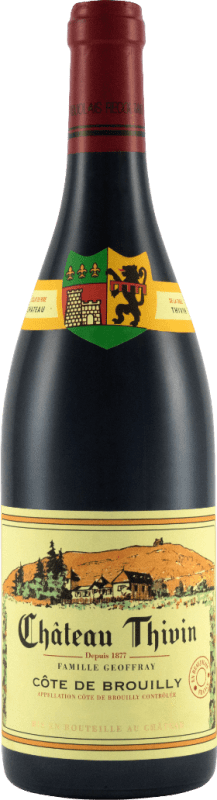


Winemaker Notes
Professional Ratings
-
James Suckling
Great blackberry fruit aromas and excellent concentration on the medium-bodied, impeccably balanced palate. Long, complete finish. Needs a bit more time in bottle to give its best, but impressive depth. A blend from this producer's seven parcels in this appellation. From organically grown grapes. Bottled unfiltered. Drinkable now, but best from 2025.
-
Robert Parker's Wine Advocate
Simultaneously opulent and sophisticated, the 2022 Côte de Brouilly wafts from the glass with aromas of black tea, sweet soil, lilac petals, grilled cherries and blueberries. Medium to full-bodied, it's lush and energized, maintaining freshness thanks to vibrant acidity that lends animation to its concentrated licorice and blue-fruited flavors, accented by hints of smoked sea salt. While it's enjoyable out of the gates, this Côte de Brouilly's youthful vigor hints at its aging capacity. For immediate consumption, consider opening in advance or giving it a quick decant. As usual, this tasting note refers to the cuvée imported in the United States, but readers in the rest of the world will find that the estate's Sept Vignes bottling, which sees a light filtration, is very similar in profile.
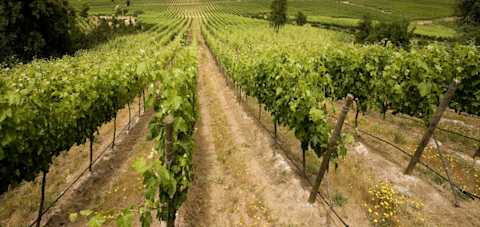
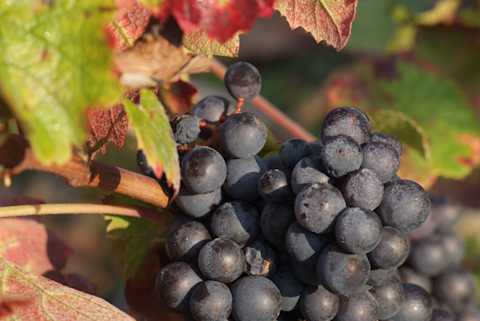
Delightfully playful, but also capable of impressive gravitas, Gamay is responsible for juicy, berry-packed wines. From Beaujolais, Gamay generally has three classes: Beaujolais Nouveau, a decidedly young, fruit-driven wine, Beaujolais Villages and Cru Beaujolais. The Villages and Crus are highly ranked grape growing communes whose wines are capable of improving with age whereas Nouveau, released two months after harvest, is intended for immediate consumption. Somm Secret—The ten different Crus have their own distinct personalities—Fleurie is delicate and floral, Côte de Brouilly is concentrated and elegant and Morgon is structured and age-worthy.

The bucolic region often identified as the southern part of Burgundy, Beaujolais actually doesn’t have a whole lot in common with the rest of the region in terms of climate, soil types and grape varieties. Beaujolais achieves its own identity with variations on style of one grape, Gamay.
Gamay was actually grown throughout all of Burgundy until 1395 when the Duke of Burgundy banished it south, making room for Pinot Noir to inhabit all of the “superior” hillsides of Burgundy proper. This was good news for Gamay as it produces a much better wine in the granitic soils of Beaujolais, compared with the limestone escarpments of the Côte d’Or.
Four styles of Beaujolais wines exist. The simplest, and one that has regrettably given the region a subpar reputation, is Beaujolais Nouveau. This is the Beaujolais wine that is made using carbonic maceration (a quick fermentation that results in sweet aromas) and is released on the third Thursday of November in the same year as harvest. It's meant to drink young and is flirty, fruity and fun. The rest of Beaujolais is where the serious wines are found. Aside from the wines simply labelled, Beaujolais, there are the Beaujolais-Villages wines, which must come from the hilly northern part of the region, and offer reasonable values with some gems among them. The superior sections are the cru vineyards coming from ten distinct communes: St-Amour, Juliénas, Chénas, Moulin-à-Vent, Fleurie, Chiroubles, Morgon, Regnié, Brouilly, and Côte de Brouilly. Any cru Beajolais will have its commune name prominent on the label.