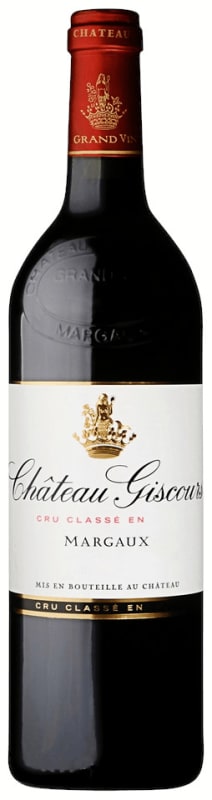


Winemaker Notes
Professional Ratings
-
Wine Spectator
Very dark and concentrated, with intense aromas of tobacco, coffee and blackberries. Full-bodied, with big, velvety tannins and a long finish of licorice, berry and currants. Giscours is doing something special. Best ever from here.
-
Robert Parker's Wine Advocate
Probably the finest Giscours made since the 1975, this black/purple-colored 2000 offers up terrific notes of camphor, creosote, blackberry, and cassis jam intermixed with notions of smoke and earth. Spicy, with low acidity, a big, rich, fleshy, full-bodied palate, outstanding texture, and a long, pure finish, it is, to reiterate, one of the best Giscours produced over the last 25 years. A sleeper of the vintage, it is still available for a realistic price.
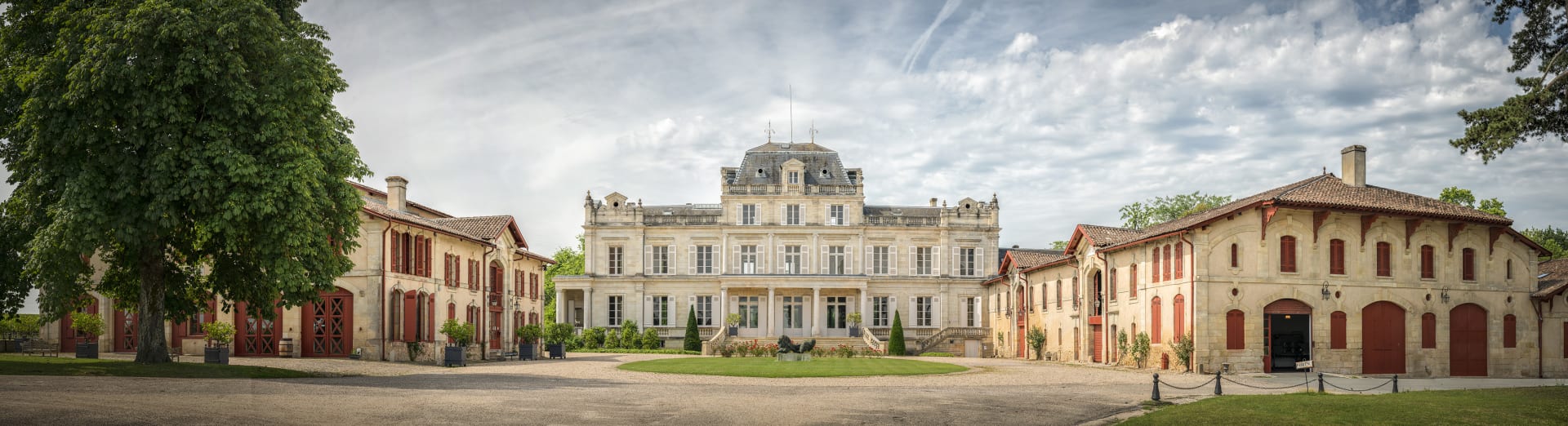


Château Giscours, a Grand Cru Classé, is one of the very few estates with vineyards planted in a single stretch, at the heart of an unspoiled ecosystem of 400 hectares of meadows and forest. The 100-hectare estate in the Margaux appellation boasts an ideal location on the magnificent Labarde and Arsac plateau.
Château Giscours, one of the oldest seigneuries in the Médoc, has reinvented itself constantly over the centuries. Pierre de Lhomme, Marc Promis, Jean-Pierre Pescatore, Edouard Cruse and Nicolas Tari were all ambitious and visionary estate owners who were passionate about pulling together the estate's land and giving this vineyard a reputation for excellence. These efforts were rewarded by the official classification in 1855, when Giscours was named a third Grand Cru Classé.
In 1995, a new chapter began with Dutch businessman Eric Albada Jelgersma, who oversaw a meticulous rehabilitation of the vineyards and buildings. It took a lengthy process, patience, and unfailing technical and commercial organization for Giscours to retain a strong identity and become the embodiment of a flourishing estate that has successfully transcended change.
Today, his children are following in their father's footsteps as they enable the estate to develop whilst also preserving its rich ecosystem.
This well-arranged land is a winemaker's dream. Deep Garonne gravel hilltops with slight variations give Giscours wines their structure and elegance. This exceptional terroir suits our vines, which offer up the best of themselves under the influence of the oceanic climate.

One of the world’s most classic and popular styles of red wine, Bordeaux-inspired blends have spread from their homeland in France to nearly every corner of the New World. Typically based on either Cabernet Sauvignon or Merlot and supported by Cabernet Franc, Malbec and Petit Verdot, the best of these are densely hued, fragrant, full of fruit and boast a structure that begs for cellar time. Somm Secret—Blends from Bordeaux are generally earthier compared to those from the New World, which tend to be fruit-dominant.

Silky, seductive and polished are the words that characterize the best wines from Margaux, the most inland appellation of the Médoc on the Left Bank of Bordeaux.
Margaux’s gravel soils are the thinnest of the Médoc, making them most penetrable by vine roots—some reaching down over 23 feet for water. The best sites are said to be on gentle outcrops, or croupes, where more gravel facilitates good drainage.
The Left Bank of Bordeaux subscribes to an arguably outdated method of classification but it is nonetheless important in regards to history of the area. In 1855 the finest chateaux were deemed on the basis of reputation and trading price—at that time. In 1855, Chateau Margaux achieved first growth status, yet it has been Chateau Palmer (officially third growth from the 1855 classification) that has consistently outperformed others throughout the 20th century.
Chateau Margaux in top vintages is capable of producing red Cabernet Sauvignon based wines described as pure, intense, spell-binding, refined and profound with flavors and aromas of black currant, violets, roses, orange peel, black tea and incense.
Other top producers worthy of noting include Chateau Rauzan-Ségla, Lascombes, Brane-Cantenac, and d’Issan, among others.
The best wines of Margaux combine a deep ruby color with a polished structure, concentration and an unrivaled elegance.