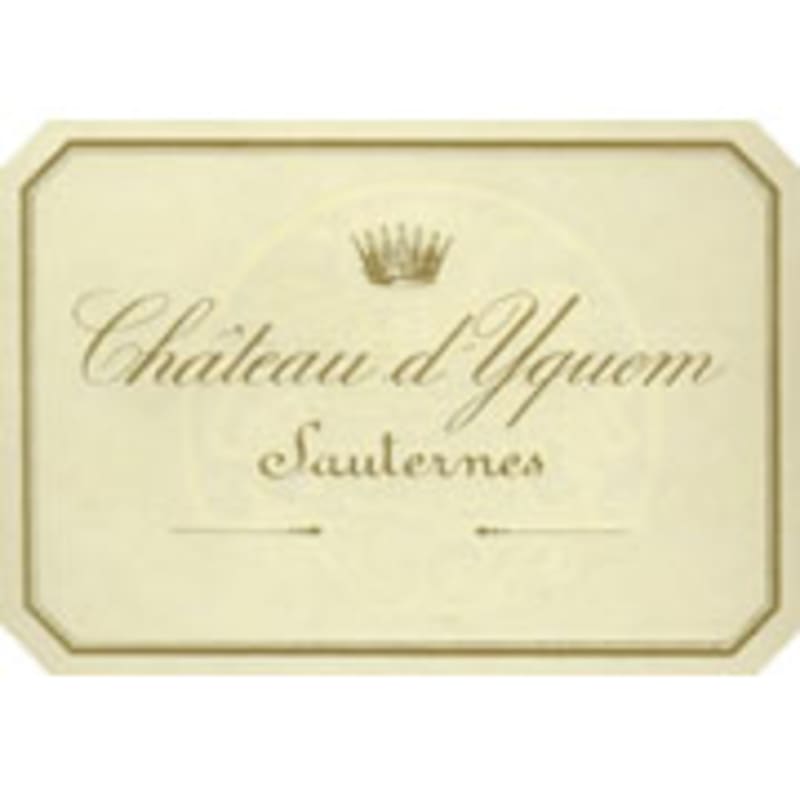

Winemaker Notes
Professional Ratings
-
James Suckling
Showing so much tropical and exotic fruits like mangos, papayas, pears and hints of honey and ginger. This is intense. Full bodied and very sweet, with intense honey, and a long, long finish. A wild palate with an electrifying finish of spices, mint, and dried fruits. Great freshness on the finish, but with so much botrytis character as well.
Barrel Sample: 99-100 Points -
Wine Enthusiast
The aromas are so rich and powerful, with great ripe apricots. There are honey, spice and beautiful sweet spiced pears. This is an extraordinary wine in an extraordinary year in Sauternes.
Barrel Sample: 98-100 Points -
Robert Parker's Wine Advocate
The 2009 Yquem has an almost ethereal nose, beautifully defined with scents of honey, honeysuckle, pear, fresh apricot and a hint of quince. It blossoms in the glass, gaining intensity and expanding across the ether. The immediate impression is not of a powerful, rich, botrytis-laden Yquem, but one that has semblances with the 2007 in terms of poise and precision, the acidity defining the wine in its youth and around that, subtle notes of honey, fig, pear, apricot and just a hint of ginger adding vibrancy and edginess towards the pure and tensile finish. As expected, there is extraordinary persistency, lingering in the mouth long after the wine has disappeared, yet it will remain long in the memory.
Barrel Sample: 96-98 Points -
Wine Spectator
Dense and unctuous, but with lacy detail already showing along the edges, as light toasty hazelnut and piecrust notes lead the way for creamed melon, mango and pineapple flavors, with hints of green plum and honeysuckle. There’s mouthwatering drive on the finish, which drips with a rosehip honey note that keeps pulling you back. Stunning. Best from 2020 through 2055.
-
Decanter
Voluptuous honeyed nose, with peach compote aromas and spicy oak. Has a fine attack, leaner and more precise than the nose suggests. It's minty and almost peppery, with dried apricot flavours, a wine of tremendous drive and discreet power.Decidedly sweet but well balanced and very long.


Apart from the classics, we find many regional gems of different styles.
Late harvest wines are probably the easiest to understand. Grapes are picked so late that the sugars build up and residual sugar remains after the fermentation process. Ice wine, a style founded in Germany and there referred to as eiswein, is an extreme late harvest wine, produced from grapes frozen on the vine, and pressed while still frozen, resulting in a higher concentration of sugar. It is becoming a specialty of Canada as well, where it takes on the English name of ice wine.
Vin Santo, literally “holy wine,” is a Tuscan sweet wine made from drying the local white grapes Trebbiano Toscano and Malvasia in the winery and not pressing until somewhere between November and March.
Rutherglen is an historic wine region in northeast Victoria, Australia, famous for its fortified Topaque and Muscat with complex tawny characteristics.

Sweet and unctuous but delightfully charming, the finest Sauternes typically express flavors of exotic dried tropical fruit, candied apricot, dried citrus peel, honey or ginger and a zesty beam of acidity.
Sémillon, Sauvignon Blanc, Sauvignon Gris and Muscadelle are the grapes of Sauternes. But Sémillon's susceptibility to the requisite noble rot makes it the main variety and contributor to what makes Sauternes so unique. As a result, most Sauternes estates are planted to about 80% Sémillon. Sauvignon is prized for its balancing acidity and Muscadelle adds aromatic complexity to the blend with Sémillon.
Botrytis cinerea or “noble rot” is a fungus that grows on grapes only in specific conditions and its onset is crucial to the development of the most stunning of sweet wines.
In the fall, evening mists develop along the Garonne River, and settle into the small Sauternes district, creeping into the vineyards and sitting low until late morning. The next day, the sun has a chance to burn the moisture away, drying the grapes and concentrating their sugars and phenolic qualities. What distinguishes a fine Sauternes from a normal one is the producer’s willingness to wait and tend to the delicate botrytis-infected grapes through the end of the season.