

Winemaker Notes
Professional Ratings
-
James Suckling
Plenty of menthol, blackberry and blackcurrant aromas in this elegant, medium-weight Haut-Médoc that’s got as much freshness as ripeness and a long, clean, mineral and herbal finish. An incredibly food-flexible wine! Drink or hold.
-
Wine Enthusiast
Well-integrated tannins give this wine a rich, velvet character that is underlined by the blackberry fruits. The aftertaste is dense, concentrated and rich.
-
Decanter
Sweet fruit on the nose is joined by plum and touches of vanillin. It has a southern Médoc feel, with almost-jammy fruit and a gourmet, damson streak. Edgy tannins hold the appealing, generous fruit, and the acidity is pretty high, but that's a signature of the vintage. A blend of the two Cabernets, Merlot and 4% Petit Verdot, aged for 12 months in oak, 40% new. Eric Boissenot consults.
-
Wine Spectator
Starts with a violet note but turns darker quickly, with dark currant and black cherry preserve flavors forming the core. Nice fresh tobacco and iron details carry the mouthwatering finish. Not big, but focused and tasty. Drink now through 2030.


One of the world’s most classic and popular styles of red wine, Bordeaux-inspired blends have spread from their homeland in France to nearly every corner of the New World. Typically based on either Cabernet Sauvignon or Merlot and supported by Cabernet Franc, Malbec and Petit Verdot, the best of these are densely hued, fragrant, full of fruit and boast a structure that begs for cellar time. Somm Secret—Blends from Bordeaux are generally earthier compared to those from the New World, which tend to be fruit-dominant.

While it claims the same basic landscape as the Medoc—only every so slightly elevated above river level—the Haut Medoc is home to all of the magnificent chateaux of the Left Bank of Bordeaux, creating no lack of beautiful sites to see.
These chateaux, residing over the classed-growth cru in the villages of Margaux, Moulis, Listrac, St-Julien, Pauillac and St. Estephe are within the Haut Medoc appellation. Though within the confines of these villages, any classed-growth chateaux will most certainly claim village or cru status on their wine labels.
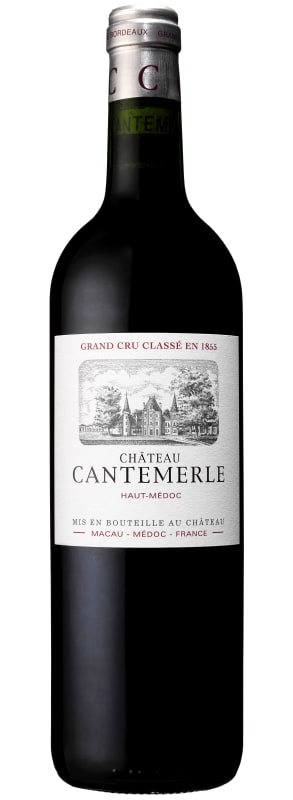
Interestingly, some classed-growth cru of the Haut Medoc fall outside of these more famous villages and can certainly be a source of some of the best values in Bordeaux. Deep in color, and concentrated in ripe fruit and tannins, these wines (typically Cabernet Sauvignon-based) often prove the same aging potential of the village classed-growths. Among these, the highest ranked chateaux are Chateau La Lagune and Chateau Cantemerle.