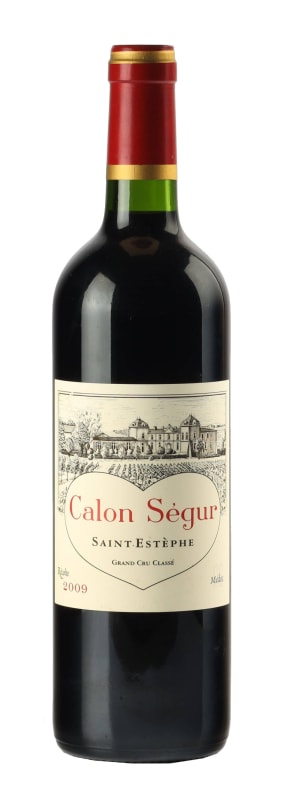


Winemaker Notes
The 1995 vintage of this wine was ranked #6 on the Wine Spectator's Top 10 Wines of 1998
Professional Ratings
-
Wine Spectator
Delivers gorgeous aromas of blackberry, blueberry and licorice, with hints of tobacco and spice. Full-bodied, offering a lovely texture and refinement. Very long and beautiful, with tangy acidity and lively fruit. A rich, yet very balanced, Calon. This is almost all Cabernet Sauvignon instead of the normal blend with 40 percent Merlot. The château is now using 100 percent new wood. Like the changes.
Barrel Sample: 93-96 Points -
James Suckling
Superb richness on the nose of dark berries, shiitake mushrooms and flowers. Full body with soft, silky tannins and a refined, integrated tannin texture. This is a young wine with grace and intensity. So approachable now but better in 2017.
-
Robert Parker's Wine Advocate
Made in a very different style for this estate, the 2009 is composed of 90% Cabernet Sauvignon (the highest I have ever seen here), 7% Merlot, and 3% Petit Verdot, and achieved 13.8% natural alcohol. It is a big, rich, tannic, structured, dense ruby/purple-tinged wine offering a sweet kiss of creme de cassis, loamy soil, and spice box. Remarkably, despite the use of 100% new oak because of the 2009's power and intensity, there is not a hint of wood in either the aromatic or flavor profile. Never that showy from cask, this traditionally made St.-Estephe should be forgotten for 10-15 years, and drunk over the following 40-50 years. My rating is very conservative, and I expect it to rise considerably as this wine comes out of its infancy.
Barrel Sample: 92-94 Points


One of the world’s most classic and popular styles of red wine, Bordeaux-inspired blends have spread from their homeland in France to nearly every corner of the New World. Typically based on either Cabernet Sauvignon or Merlot and supported by Cabernet Franc, Malbec and Petit Verdot, the best of these are densely hued, fragrant, full of fruit and boast a structure that begs for cellar time. Somm Secret—Blends from Bordeaux are generally earthier compared to those from the New World, which tend to be fruit-dominant.

Deeply colored, concentrated, and distinctive, St. Estephe is the go-to for great, age-worthy and reliable Bordeaux reds. Separated from Pauillac merely by a stream, St. Estephe is the farthest northwest of the highest classed villages of the Haut Medoc and is therefore subject to the most intense maritime influence of the Atlantic.
St. Estephe soils are rich in gravel like all of the best sites of the Haut Medoc but here the formation of gravel over clay creates a cooler atmosphere for its vines compared to those in the villages farther downstream. This results in delayed ripening and wines with higher acidity compared to the other villages.
While they can seem a bit austere when young, St. Estephe reds prove to live very long in the cellar. Traitionally dominated by Cabernet Sauvignon, many producers now add a significant proportion of Merlot to the blend, which will soften any sharp edges of the more tannic, Cabernet.
The St. Estephe village contains two second growths, Chateau Montrose and Cos d’Estournel.