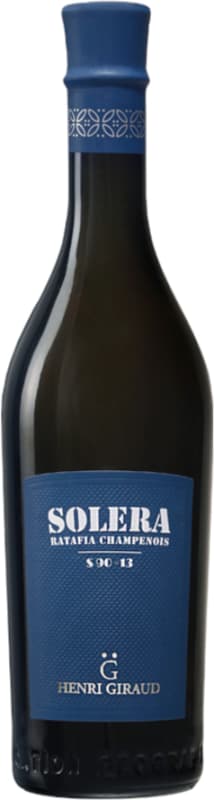


Winemaker Notes
The color is remarkably warm, reminiscent of very old Champagnes or sweet, licorice wines of more than thirty years of age. Amber colored with pretty, coppery highlights that are almost red. The first aromas are powerful, with cherry preserve, warm spices (turmeric), almonds and Maraschino against a background of meat juices providing depth. Then the expression becomes finer and more complex: chocolate, preserved orange peel, cherries in eau-de-vie and quince jelly, with a hint of cinnamon and then, gradually, a touch of the classic “rancio” of great fortified wines.
Professional Ratings
-
Vinous
The 2016 Ratafia is fabulous. Silky and intensely aromatic, the Giraud Ratafia offers up scents of caramel, spice, hazelnut and honey, all woven together in a classy package that is incredibly appealing. The blend is 70% Pinot Noir and 30% Chardonnay.


What are the types and styles of dessert wine?
Dessert wines come in an impressive array of styles and sweetness levels. The most straightforward method for making dessert wine is quite simply a late harvest of wine grapes, though further distinctions arise based on country of origin. The main examples include Sauternes (France), Tokaji (Hungary) and ice wine (Germany and Canada).
What are the types and styles of fortified wine?
Fortified wines (meaning alcohol has been added during the winemaking process) include Sherry, Port, Madeira, Banyuls, Rutherglen and other very small-scale styles. Sherry comes in completely dry styles (Fino, Manzanilla, Amontillado, Palo Cortado) and also in a range of sweetness levels. Madeira is typically sweet but can be made into a dry style. Port can be most simply separated into Tawny and Ruby styles. Vermouth, an herb-infused fine wine, is today popular among mixologists and other dessert wines are derived, not from wine grapes, but from different fruits.
How are dessert and fortified wines made?
As mentioned above, many wines in this category—like Sauternes and Tokaji—are produced by leaving the grapes on the vine long after the rest of the harvest has been processed in order to accumulate very high sugar levels. Often, a form of “noble” rot called botrytis plays a role, desiccating the grapes until only the very flavorful solids and sugars remain. These late-picked wines are, accordingly, often referred to as late-harvest wines. In colder climates, the grapes may be allowed to freeze on the vine for the production of ice wine. Other styles are made by letting the harvested grapes dry out (also concentrating sugars). Fortified wines are fortified with neutral spirits to increase the level of alcohol, and, depending on the final style of wine desired, arrest fermentation while some level, high to low (or no), residual sugar remains.
What gives dessert and fortified wines their color?
The different colors of most dessert wines come from the type of grape used and varying levels of oxidation during the winemaking process. The colors of Sherry and Port are mainly the result of oxidation, or lack thereof. Fino and Manzanilla styles are clear to pale gold because of the benevolent film-forming yeasts, called flor, that make a floating seal on the surface of the wine. This layer protects the wine from oxidation, and thus any browning. The other styles of Sherry use various levels of controlled oxidation, resulting in various hues of amber. The two basic styles of Port, Ruby and Tawny, also come in two basic colors, as noted by their names. Both styles are made from the same blend of Douro red varieties, but Tawny ports are tawny in color because they are made from a blend of vintages that have been aged in barrels and gradually exposed to oxygen. Ruby Ports retain their bright color because these wines are aged in barrel only for two to three years before bottling, thus minimizing any color change from oxidation.
How do you serve dessert and fortified wines?
Because of the typically higher sugar and alcohol content, the recommended serving size for most dessert, Sherry & Port wines is three ounces, which is smaller than for regular table wine. In general dessert wines should be served cold—a very sweet Tokaji is served at 40F; Sauternes are best at 50F. Fino and Manzanilla Sherries are best served at 45-50F, while the Amontillados, Olorosos and beyond, are best at 55F. Tawny Ports have a recommended serving temperature of 50-55F, whereas Ruby and Vintage Ports have a recommended serving temperature of 65F.
How long do dessert and fortified wines last?
High quality dessert wines such as Sauternes and Tokaji can often improve up to 10 to 20 years from bottling. Fino and Manzanilla Sherries should be consumed within a year or two of bottling since they are most appreciated for their freshness. Once opened, these are best consumed within a week. Store Amontillado Sherry up to about three years; once opened and refrigerated, these last two to three weeks before they decline. Store Oloro Sherry up to five years; once opened and refrigerated, these last a few weeks or longer. Cream Sherries are best consumed in their youth. Pedro Ximénez Sherry is a special case. It won’t necessarily improve with age, but is known to remain unchanged after many years of age. The two basic styles of Port can be further separated into an almost dizzying list of styles, but in general the only ones meant to age longer once bottled are crusted ports and vintage ports (from a declared vintage). Aside from those, LBV (late bottled vintage) ports should age about 4-6 years from the release date and the rest are ready to drink upon release. Fruit wines are not meant to age; the fresh fruit qualities of these wines are most prominent in their youth.

Associated with luxury, celebration, and romance, the region, Champagne, is home to the world’s most prized sparkling wine. In order to bear the label, ‘Champagne’, a sparkling wine must originate from this northeastern region of France—called Champagne—and adhere to strict quality standards. Made up of the three towns Reims, Épernay, and Aÿ, it was here that the traditional method of sparkling wine production was both invented and perfected, birthing a winemaking technique as well as a flavor profile that is now emulated worldwide.
Well-drained, limestone and chalky soil defines much of the region, which lend a mineral component to its wines. Champagne’s cold, continental climate promotes ample acidity in its grapes but weather differences from year to year can create significant variation between vintages. While vintage Champagnes are produced in exceptional years, non-vintage cuvées are produced annually from a blend of several years in order to produce Champagnes that maintain a consistent house style.
With nearly negligible exceptions, . These can be blended together or bottled as individual varietal Champagnes, depending on the final style of wine desired. Chardonnay, the only white variety, contributes freshness, elegance, lively acidity and notes of citrus, orchard fruit and white flowers. Pinot Noir and its relative Pinot Meunier, provide the backbone to many blends, adding structure, body and supple red fruit flavors. Wines with a large proportion of Pinot Meunier will be ready to drink earlier, while Pinot Noir contributes to longevity. Whether it is white or rosé, most Champagne is made from a blend of red and white grapes—and uniquely, rosé is often produce by blending together red and white wine. A Champagne made exclusively from Chardonnay will be labeled as ‘blanc de blancs,’ while ones comprised of only red grapes are called ‘blanc de noirs.’