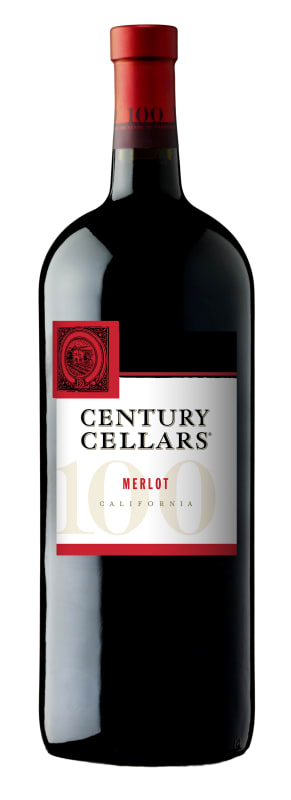


Winemaker Notes
True to its varietal character, the wine opens with vibrant red-fruit aromas and sweet baking spices. The palate is smooth and supple, with bright acidity and refined tannins. Raspberries and ripe cherry flavors are met by a sweet oak finish.
Pair this approachable wine with a variety of dishes, including roasted pork loin or oven-baked chicken.


Today the fourth most widely planted red variety in the state, Merlot has much to offer. While it bears similarities to Cabernet Sauvignon (its half-sibling), it tends to be lower in both acidity and tannins, giving Merlot wines a mouthfeel that is often perceived as soft, round and plush. These qualities make it an ideal blending partner for Cabernet, the two complementing each other throughout.
Merlot arrived relatively late to the California wine scene. It wasn’t until the 1970’s when producers like Louis Martini, Sterling and Matanzas Creek—influenced by European Merlot blends—began crafting single varietal versions. These trend-setting bottles opened the eyes of others in the California wine scene and spurred increased plantings. From there, the variety’s lush drinkability led to a surge in popularity, then overplanting (some of it on unsuitable sites) and finally a backlash that was turbo-charged by the infamous 2004 film, Sideways. What most viewers didn't realize was that, as much as Miles derided the variety, the prized wine of his collection—a 1961 Château Cheval Blanc—is made from a blend of Merlot with Cabernet Franc.
Fine examples of California Merlot—either as a single varietal wine or as part of a blend—can be found from Napa Valley, Sonoma County, the Central Coast and most regions around the state. Merlot wines offer a ripe, sensual mouthful of plummy fruit, suggestions of mint, herbs and vanilla, all carried along by an approachable structure and often, a great potential for improving with age.