


Winemaker Notes
The Catena Malbec Appellation La Consulta shows a dark violet color with deep purple tones. The nose offers aromas like red fruit and ripe, concentrated dark berries with fresh herbs and floral notes like lavender and violets, some traces of vanilla and tobacco. The mouthfeel is rich, with raspberries and blueberries, spices notes and a touch of mocha. The finish presents soft and well-structured tannins with bright, crisp acidity that gives the wine exceptional length.
Pairs well with beef tenderloin.
Professional Ratings
-
James Suckling
This has a perfumed nose of violets, currants, blueberries, pine, licorice and eucalyptus. It’s medium-to full-bodied with silky, seamless tannins and a creamy texture. Smooth and caressing. Fresh. Sustainable. Drink now or hold.
-
Wine Enthusiast
The 2020 Appellation La Consulta Malbec feels quite ripe and round, a juicy and quite fruit-driven Malbec from a warmish place in a warm vintage. It's quite straightforward and easy to drink.
-
Wine Spectator
Offers a nice inlay of floral and mineral accents amid a juicy core of raspberry and fleshy plum, with abundant fresh thyme notes. Suave tannins arrive on the finish, which reveals a touch of smoky chocolate. Drink now through 2028.


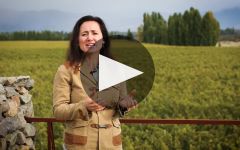



Bodega Catena Zapata is one of Argentina's high-altitude Malbec pioneers. The Catena family began making wine in Mendoza in 1902. Nicolas Catena, third generation family vintner, was one of the first to see the potential of Mendoza's mountain vineyards for producing high quality Malbec. In 1994, he became the first Argentine to export a world-class bottling of Malbec under the Catena label. Nicolas is joined by his daughter, Dr. Laura Catena, in their relentless pursuit of world-class quality from the family's high-altitude vineyards. Laura has done extensive work in introducing Malbec and other varietal plant selections, soil and climate analysis, and sustainable practices throughout Mendoza. Head winemaker, Alejandro Vigil, has been at Catena Zapata since 2002 and works with Laura and Nicolas to make wines that express the family's vineyards and palate.

Celebrated for its bold flavors and supple texture, Malbec has enjoyed runaway success in Argentina since the late 20th century. The grape originated in Bordeaux, France, where it historically contributed color and tannin to blends. A French agronomist, who saw great potential for the variety in Mendoza’s hot, high-altitude landscape, brought Malbec to Argentina in 1868. Somm Secret—If you’re trying to please a crowd, Malbec is generally a safe bet with its combination of dense fruit and soft tannins.

By far the largest and best-known winemaking province in Argentina, Mendoza is responsible for over 70% of the country’s enological output. Set in the eastern foothills of the Andes Mountains, the climate is dry and continental, presenting relatively few challenges for viticulturists during the growing season. Mendoza, divided into several distinctive sub-regions, including Luján de Cuyo and the Uco Valley, is the source of some of the country’s finest wines.
For many wine lovers, Mendoza is practically synonymous with Malbec. Originally a Bordelaise variety brought to Argentina by the French in the mid-1800s, here it found success and renown that it never knew in its homeland where a finicky climate gives mixed results. Cabernet Sauvignon, Syrah, Merlot and Pinot Noir are all widely planted here as well (and sometimes even blended with each other or Malbec). Mendoza's main white varieties include Chardonnay, Torrontés, Sauvignon Blanc and Sémillon.