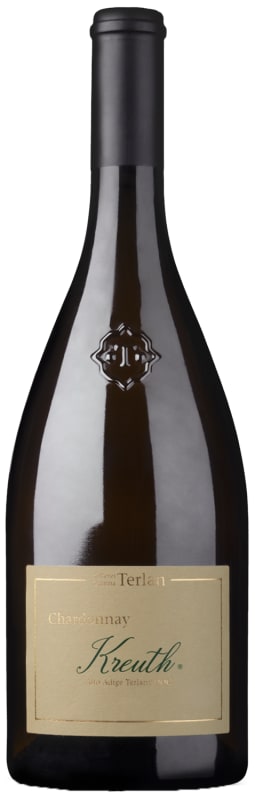


Winemaker Notes
Ideal with seafood, poultry or appetizers.
Vegan-Friendly
Professional Ratings
-
James Suckling
Lots of flint and matchstick notes to the dried apples and sliced lemons on the nose and palate. Medium- to full-bodied with plenty of lightly chewy phenolics. Concentrated and refreshing. Pretty amazing. Drink or hold.
-
Wine Enthusiast
Grown high in the foothills of the Alps in Alto Adige, this Chardonnay shows how the warm days and cold nights create singular wines. Opening with aromas of warmed peach pie, baked Fuji apples, lemon blossom and crushed stone the wine evolves with each passing moment. The palate is full in body but has the acidity to back up the ripe orchard and stone fruit flavors that yield to a creamy texture and mineral finish. Drink now–2035.
Cellar Selection -
Wine Spectator
Delicate white blossom and mountain herb notes offer a subtle, savory thread that winds through the kiwi, pear and tangerine fruit flavors in this vibrant white. Dense and finely meshed, with a rich streak of graphite-laced minerality and lightly chalky texture. Persistent and fresh on the honeyed finish. Drink now through 2032.
-
Vinous
The 2022 Chardonnay Kreuth is more savory than sweet, as notes of dried flowers, almonds, raw dough and scant ginger form its bouquet. This opens with a pretty inner sweetness and soft textures that usher in ripe pit fruits and sweet spice. It finishes long yet fresh, leaving a gentle saline tension and the mouth watering for more.




Located in the Dolomite Mountains in the foothills of the Alps, Terlano's distinctive location and extraordinary terroir are key to the development of their stunning, world-renowned wines. Situated in a sheltered hollow, Terlano benefits from an ideal south-facing exposure. Vineyard slopes ranging from 250m-900m ASL provide perfect conditions for the cultivation of grapes, especially Lagrein, a variety that is indigenous to the Alto Adige region. In the vineyard, red porphyry rocks with high mineral content retain the day's warmth, while the porous soil creates an environment with just enough moisture for the roots to extend deeper into this mineral-rich soil. In combination with cool evening temperatures, these factors create wines of incredible depth and potential for aging.
Founded in 1893, Cantina Terlano has grown into one of the leading wine growers' cooperatives in the Alto Adige region of northeastern Italy. With a current membership of 143 growers farming a total area of 165 hectares, Terlano ensures the highest standards of quality by compensating growers for the quality of their grapes not the quantity. The emphasis in the vineyard is on reducing yield in favor of producing more concentrated fruit.
Terlano produces 70 percent white wines and 30 percent red wines, all of them of DOC quality designation. Following a winery renovation in 2009, the cellars now include a total of 18,000m of storage space, which ensures that the wines can develop undisturbed. On the outside, the building has a natural exterior of red porphyry, the stone that gives the wines in the area their typical character. The roof of the winery is planted with vines so that the building blends in completely with the surrounding countryside.
Terlano wines are classified in four distinct quality lines: Tradition, Selection, Rarity and Primo. Terlano wines are famous for their incredible depth and complexity and their stellar reputation continues to make these wines highly sought after both at home and internationally.
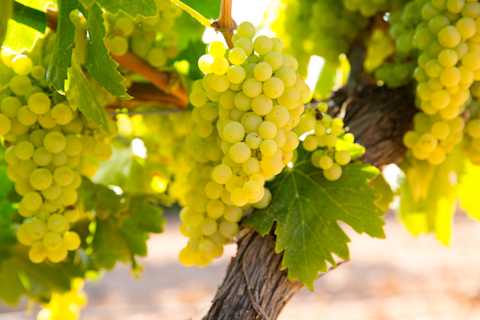
One of the most popular and versatile white wine grapes, Chardonnay offers a wide range of flavors and styles depending on where it is grown and how it is made. While it tends to flourish in most environments, Chardonnay from its Burgundian homeland produces some of the most remarkable and longest lived examples. California produces both oaky, buttery styles and leaner, European-inspired wines. Somm Secret—The Burgundian subregion of Chablis, while typically using older oak barrels, produces a bright style similar to the unoaked style. Anyone who doesn't like oaky Chardonnay would likely enjoy Chablis.
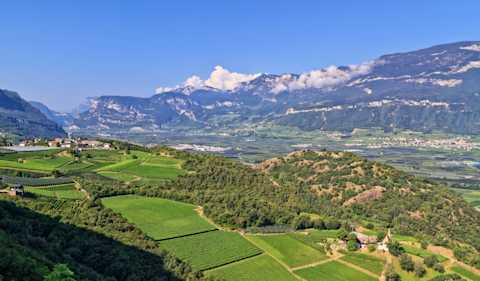
A mountainous northern Italian region heavily influenced by German culture, Trentino-Alto Adige is actually made up of two separate but similar regions: Alto Adige and Trentino.
Trentino, the southern half, is primarily Italian-speaking and largely responsible for the production of non-native, international grapes. There is a significant quantity of Chardonnay, Pinot Grigio and Merlot produced. But Trentino's native and most unique red variety, Teroldego, while still rare, is gaining popularity. It produces a deeply colored red wine rich in wild blackberry, herb, coffee and cocoa.
The rugged terrain of German-speaking Alto Adige (also referred to as Südtirol) focuses on small-scale viticulture, with great value placed on local varieties—though international varieties have been widely planted since the 1800s. Sheltered by the Alps from harsh northerly winds, many of the best vineyards are at extreme altitude but on steep slopes to increase sunlight exposure.
Dominant red varieties include the bold, herbaceous Lagrein and delicate, strawberry-kissed, Schiava, in addition to some Pinot Nero.
The primary white grapes are Pinot grigio, Gewürztraminer, Chardonnay and Pinot blanc, as well as smaller plantings of Sauvignon blanc, Müller Thurgau. These tend to be bright and refreshing with crisp acidity and just the right amount of texture. Some of the highest quality Pinot grigio in Italy is made here.