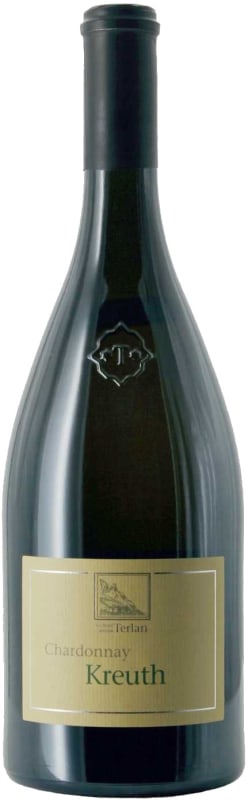


Winemaker Notes
Brilliant straw yellow. The aroma is built of exotic fruit components such as maracuja, star fruit and citrus, with the overall impression in the nose rounded off by spicy minerally notes of flint. On the palate this wine proves its importance. It impresses with a supple and firm structure. The spicy, mineral and juicy aromas give the wine a distinctive, strong terroir character.
Professional Ratings
-
Robert Parker's Wine Advocate
The Cantina Terlano 2021 Alto Adige Terlano Chardonnay Kreuth (with 70,000 bottles made) plays its best cards in terms of texture. The bouquet is varietally pure with lemon curd, soft almond and creamy mango. The aromas are all integrated and put together like pieces of a jigsaw puzzle. There are hints of light spice and toasted nut on the close.
-
Wine Spectator
A graceful Chardonnay, with ripe yellow apple and pear fruit enlivened by bright acidity and a lightly crunchy texture. Shows a stony base note, while the fruit is accented by Stargazer lily, ground ginger, preserved lemon and slivered almond. Creamy finish. Drink now through 2028.




Located in the Dolomite Mountains in the foothills of the Alps, Terlano's distinctive location and extraordinary terroir are key to the development of their stunning, world-renowned wines. Situated in a sheltered hollow, Terlano benefits from an ideal south-facing exposure. Vineyard slopes ranging from 250m-900m ASL provide perfect conditions for the cultivation of grapes, especially Lagrein, a variety that is indigenous to the Alto Adige region. In the vineyard, red porphyry rocks with high mineral content retain the day's warmth, while the porous soil creates an environment with just enough moisture for the roots to extend deeper into this mineral-rich soil. In combination with cool evening temperatures, these factors create wines of incredible depth and potential for aging.
Founded in 1893, Cantina Terlano has grown into one of the leading wine growers' cooperatives in the Alto Adige region of northeastern Italy. With a current membership of 143 growers farming a total area of 165 hectares, Terlano ensures the highest standards of quality by compensating growers for the quality of their grapes not the quantity. The emphasis in the vineyard is on reducing yield in favor of producing more concentrated fruit.
Terlano produces 70 percent white wines and 30 percent red wines, all of them of DOC quality designation. Following a winery renovation in 2009, the cellars now include a total of 18,000m of storage space, which ensures that the wines can develop undisturbed. On the outside, the building has a natural exterior of red porphyry, the stone that gives the wines in the area their typical character. The roof of the winery is planted with vines so that the building blends in completely with the surrounding countryside.
Terlano wines are classified in four distinct quality lines: Tradition, Selection, Rarity and Primo. Terlano wines are famous for their incredible depth and complexity and their stellar reputation continues to make these wines highly sought after both at home and internationally.

One of the most popular and versatile white wine grapes, Chardonnay offers a wide range of flavors and styles depending on where it is grown and how it is made. While it tends to flourish in most environments, Chardonnay from its Burgundian homeland produces some of the most remarkable and longest lived examples. California produces both oaky, buttery styles and leaner, European-inspired wines. Somm Secret—The Burgundian subregion of Chablis, while typically using older oak barrels, produces a bright style similar to the unoaked style. Anyone who doesn't like oaky Chardonnay would likely enjoy Chablis.
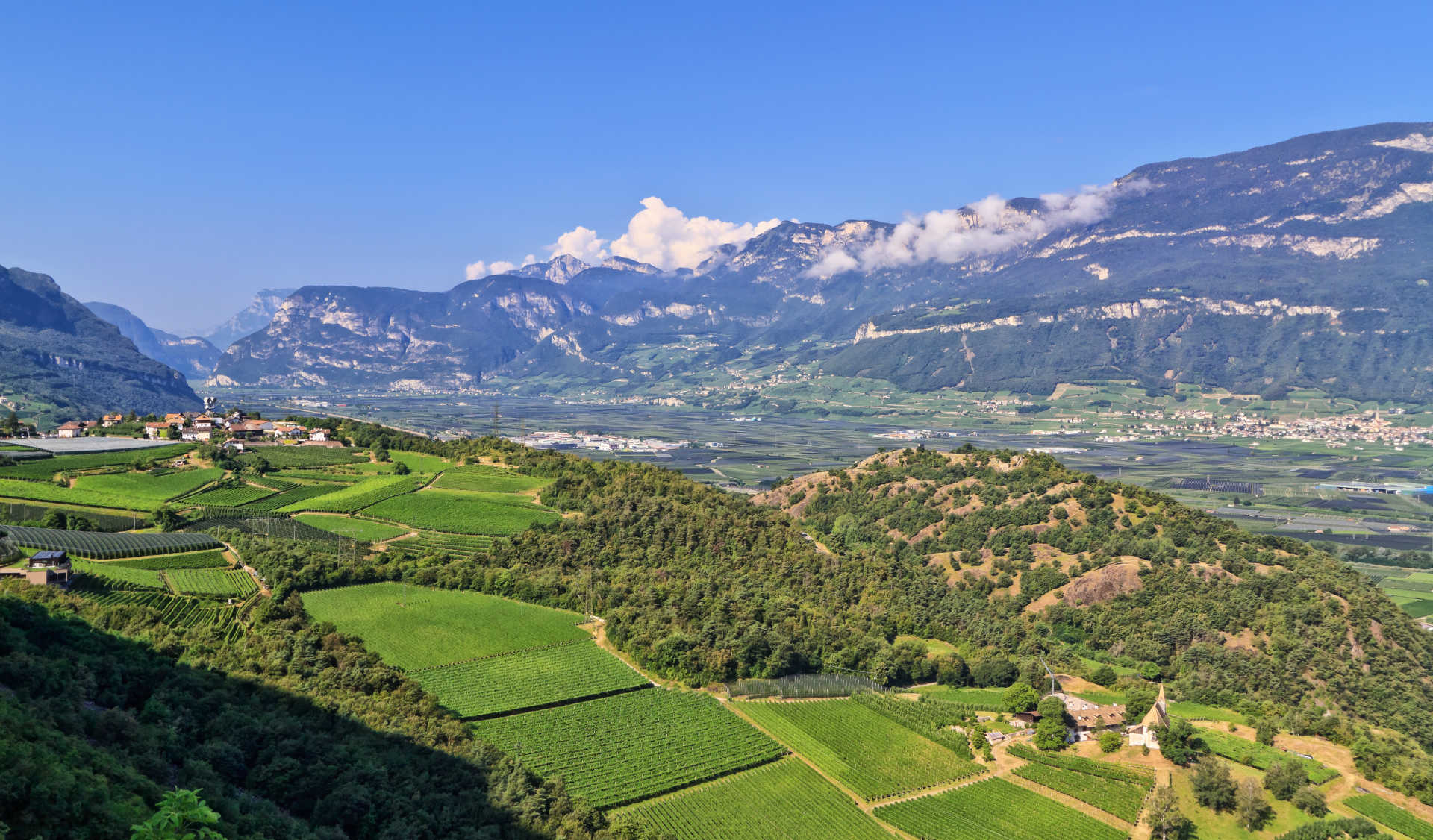
A mountainous northern Italian region heavily influenced by German culture, Trentino-Alto Adige is actually made up of two separate but similar regions: Alto Adige and Trentino.
Trentino, the southern half, is primarily Italian-speaking and largely responsible for the production of non-native, international grapes. There is a significant quantity of Chardonnay, Pinot Grigio and Merlot produced. But Trentino's native and most unique red variety, Teroldego, while still rare, is gaining popularity. It produces a deeply colored red wine rich in wild blackberry, herb, coffee and cocoa.
The rugged terrain of German-speaking Alto Adige (also referred to as Südtirol) focuses on small-scale viticulture, with great value placed on local varieties—though international varieties have been widely planted since the 1800s. Sheltered by the Alps from harsh northerly winds, many of the best vineyards are at extreme altitude but on steep slopes to increase sunlight exposure.
Dominant red varieties include the bold, herbaceous Lagrein and delicate, strawberry-kissed, Schiava, in addition to some Pinot Nero.
The primary white grapes are Pinot grigio, Gewürztraminer, Chardonnay and Pinot blanc, as well as smaller plantings of Sauvignon blanc, Müller Thurgau. These tend to be bright and refreshing with crisp acidity and just the right amount of texture. Some of the highest quality Pinot grigio in Italy is made here.