


Winemaker Notes
Straw yellow color, with greenish reflections. The bouquet is intense with floral (such as acacia flowers) and fruity notes, such as peach and lemon. On the palate the flavor is fresh, it corresponds to the fruity and floral notes, a good sapidity characterizes the final profile, giving the wine length and persistence.
Professional Ratings
-
James Suckling
A lovely white with green mangoes and pineapple, white flowers and a hint of flint. Medium to full body with depth, intensity and plenty of fruit. Tangy at the end. Very complete.
-
Wilfred Wong of Wine.com
2024 Bruno Giacosa Roero Arneis — Medium yellow with a delicate trace of gold, this is composed and quietly expressive, opening with notes of ripe pear, yellow apple, white peach, and a subtle thread of exotic spice. On the palate, it has more breadth than its understated profile initially suggests, with a gently rounded texture and a pleasingly substantial mid-palate. The fruit is finely balanced by fresh acidity, while hints of almond, dried flowers, and savory spice lend depth and complexity. The flavors gather richness and persistence through the finish, which is poised, lightly saline, and beautifully sustained. I have long admired Bruno Giacosa, and this beautifully judged Arneis strikes the bullseye. Pair it with Piedmontese tajarin al burro e salvia, finished with shaved white truffle. (Tasted: August 22, 2026, San Francisco, CA)
-
Jeb Dunnuck
Pouring a bright silver/yellow hue, the 2024 Roero Arneis is immediately appealing. Aromatically, it offers white peach, melon, chive, fresh basil, and wet stone. On the palate, it’s medium-bodied and light on its feet, with a clean, refreshing feel that favors drinkability over weight. This is straightforward, well-made, and highly approachable while it remains fresh.
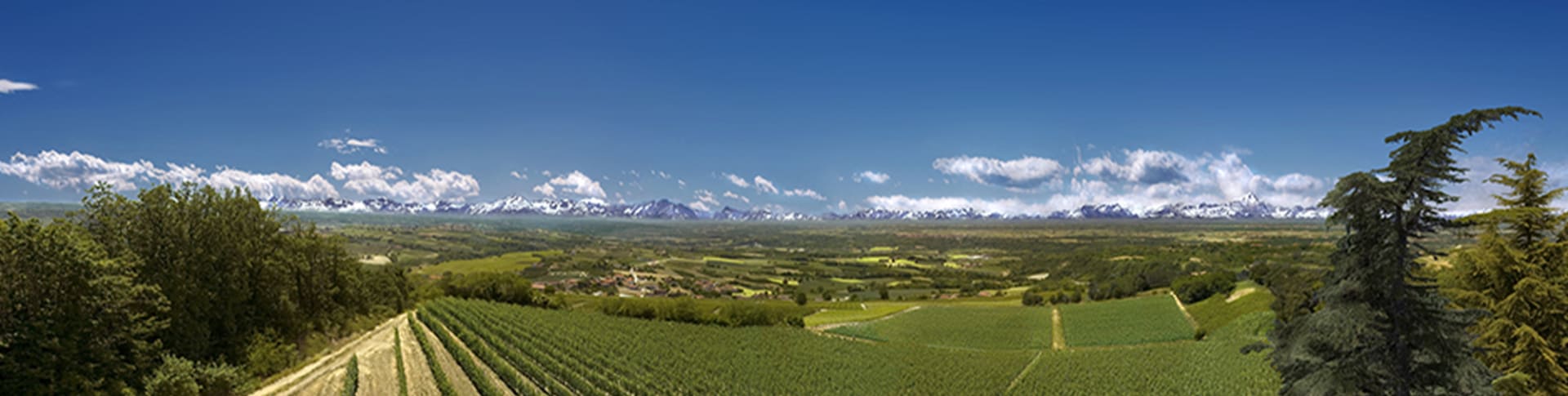


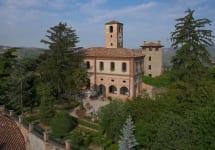
One of the legendary winemakers of the world, Bruno Giacosa crafted the most prestigious single-vineyard Barolo and Barbaresco wines during a career that spanned nearly eight decades. He joined the family business at the age of 15, representing the third generation of his Langhe winemaking family. Giacosa’s unfailing pursuit of perfection, his unrivalled palate and his intimate knowledge of vineyards in the Langhe quickly drew recognition and helped establish Piedmont as a leading wine region. In 1982, Giacosa began to acquire prime parcels in Serralunga d’Alba, La Morra and Barbaresco to produce wines that are rightly regarded as the finest expressions of Nebbiolo.
His legacy rests with daughter Bruna, who continues to uphold her father’s winemaking philosophy to respect traditional techniques while using the best of modern technology. The goal is for each distinguished site to produce articulate, unique wines.
The “Azienda Agricola Falletto – di Bruno Giacosa” label represents wines made from estate vineyards. The “Casa Vinicola Bruno Giacosa” label appears on wines made from purchased grapes that are made with the same care in the Nieve winery.
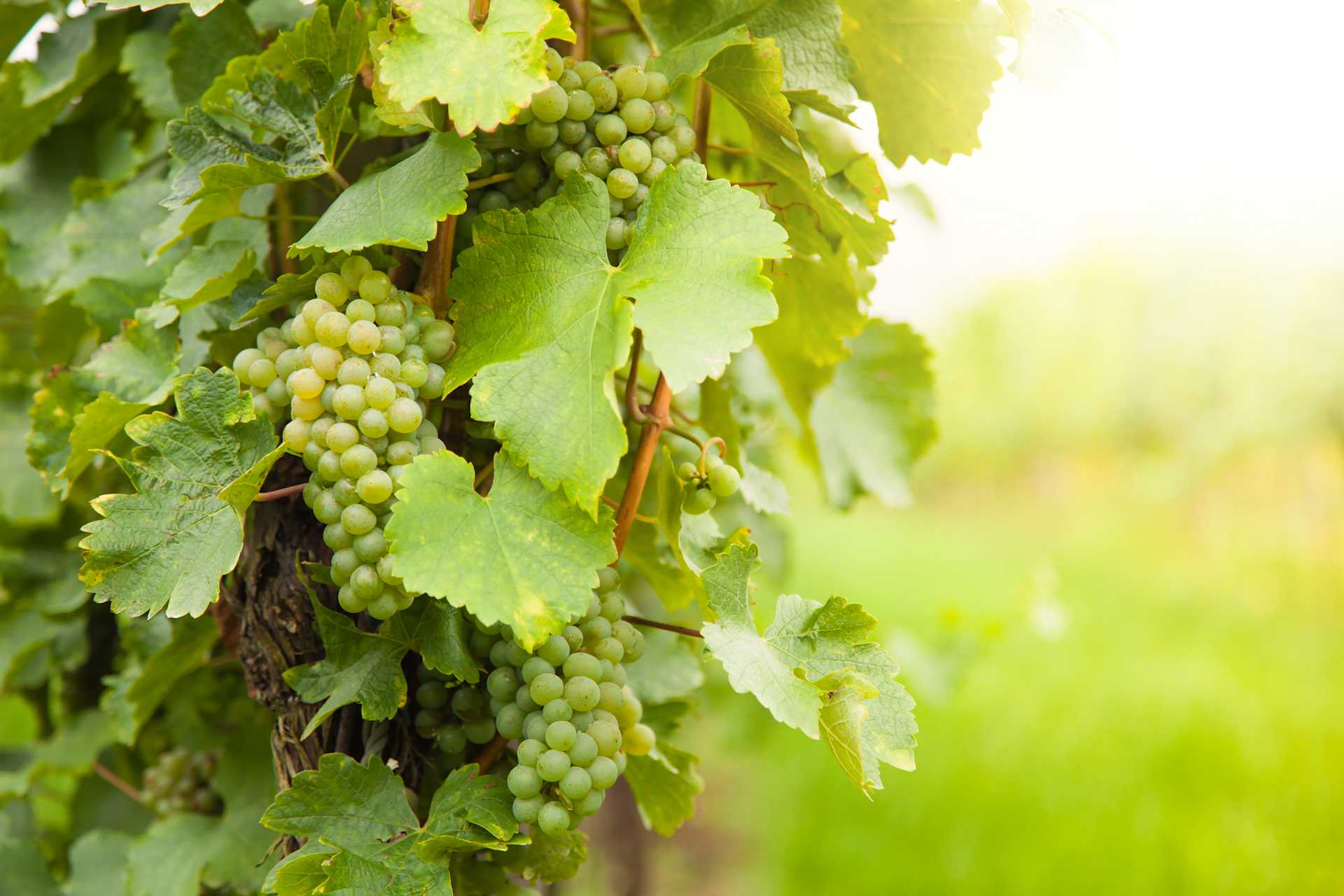
Yielding a dry and subtly scented wine, Arneis is the star white grape of Piedmont. Though the grape has been local to Roero since the 1400s, it didn’t experience real popularity until the 1980s when local demand for white wine exploded. Somm Secret—A few key Roero producers are also focusing on exploring the ageability of high quality Arneis. It is only grown outside of Piedmont to a very limited extent.

Even to this day, the Roero folklore lives on about witchcraft lurking behind its dramatic contours and obscure woods—but these stories only add to the region’s allure and charm. Actually today Roero winemakers are some of the most astute and motivated in Piedmont. While the white Arneis has attracted global attention for some time, now Roero Nebbiolo wines (elevated to the same DOCG status as Barolo and Barbaresco) are making a name for themselves. Keep an eye on any labeled with the vineyard, Valmaggiore, as Barolo producers have been investing here for years. If you’re looking for hidden gems, this is your region!