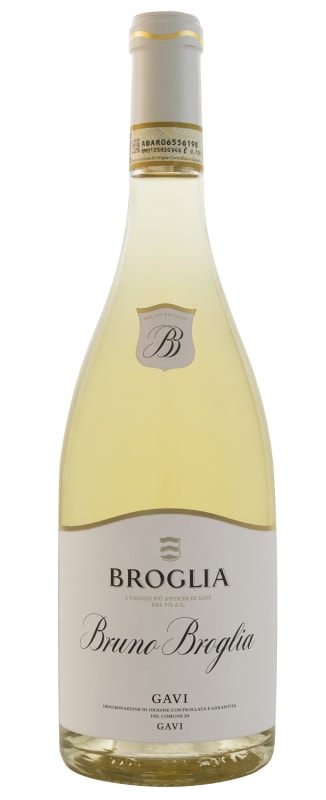


Winemaker Notes
Pale straw yellow with green reflections. Rich and intense bouquet on the nose, with complex fragrances of wildflowers and honey. Dry and elegant sip, with an harmonious lingering finish.
Pair with shrimp, chicken and pasta dishes.
Professional Ratings
-
Wine Enthusiast
Ethereal aromatics of honeysuckle and jasmine float like a gentle breeze across hillsides, accompanied by delicate white tea notes. The palate surprises with unexpected breadth, where brown-tinged orchard pears unfold against a cool marble-like minerality. The structure maintains elegant poise while delivering subtle power.
-
James Suckling
Sliced peaches, lemons, seashells and wet stones on the nose of this minerally and tangy white. It’s medium-bodied with sharp acidity, but it’s textured, too.
-
Wine Spectator
Peach, apricot, white flower and lanolin aromas and flavors inform this white. Its texture borders on viscous, with fine intensity and a long aftertaste of fruit and mineral notes.


First recorded in the early 17th century in the province of Alessandria in SE Piedmont, Cortese today is most highly regarded from Gavi where soils are limestone-rich. It also grows well in the surrounding zones, namely Monferrato and Colli Tortonesi. Somm Secret—Because of its freshness and chalky minerality, this white wine commonly populates the fish restaurants’ wine lists of the Ligurian coast so practically owes more allegiance to this neighboring region than its home.

Among Piedmont’s most historical and respected white wine producing zones, Gavi—also known as Gavi di Gavi and Cortese di Gavi—comes from Piedmont's southeast, in the province of Alessandria. Gavi is the main town of the area; Cortese is the grape. Cortese for Gavi is grown in any of 11 communes in the area where the soils are abundant in chalky, white, limestone-rich clay. The best Gavi from these locations are delicately floral, with stone fruit and citrus characters and a crisp, mineral-laden finish.
While typically made in a fresh and unoaked style, by law Gavi can come in many forms: frizzante, spumante, metodo classico and méthode ancestrale. But most producers maintain a conventional winemaking practice of temperature-controlled fermentation in stainless steel and make fresh, still whites. However, there are several barrique-aged examples, which can be interesting. The biodynamic wines of Gavi, fermented with ambient yeasts can be the most expressive.