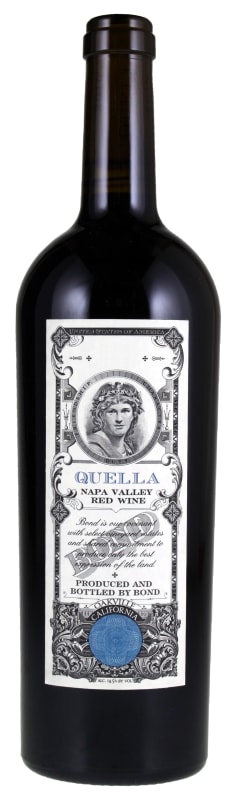


Winemaker Notes
Making its debut with the 2006 vintage, the name is derived from the German word for a pristine source or an artesian aquifer. This property is steeply sloped facing southwest. The site is an ancient riverbed composed of cobble and rocks interwoven with pockets of tufa (volcanic ash) that were uplifted during the last volcanic activity in the area. Quella displays an almost ethereal quality of blue fruits, graphite, and a vibrant, subtle finish.
Professional Ratings
-
James Suckling
This is really crazy with decadent and opulent aromas of dark fruit and sliced meat. Hints of dried fruit, too. Sexy. Full-bodied with firm and silky tannins that fan out into the wine and deliver a beautiful frame and focus.
-
Jeb Dunnuck
Always a “Wow” wine, the 2016 Quella doesn’t disappoint, showing its classic, savory, mineral style as well as stunning notes of blueberries, plums, spice box, herbs de Provence, and melted licorice. This full-bodied, ripe, powerful wine has a wealth of tannins yet leans on its depth of fruit and opulence at the moment. It needs 7-8 years of bottle age, but it’s a rock star Napa Valley Cabernet that will keep for 3 decades.
-
Robert Parker's Wine Advocate
Deep garnet-purple colored, the 2016 Quella slips seductively out of the glass with notes of warm black plums, blueberry preserves, licorice and crème de cassis with suggestions of wild sage, pencil lead, camphor and Marmite toast. Medium to full-bodied, the palate is like a tightly wound spring, featuring bags of black fruit and earthy nuances and a solid, grainy frame, finishing long and refreshing.
Rating: 96+ -
Wine Spectator
Distinctive, with aromatic savory, sassafras and bay leaf notes leading off, followed quickly by rich yet supple waves of mulled currant and blackberry fruit. A singed juniper accent threads up the finish, with ample acidity and tannins on the finish. Shows good character. Best from 2021 through 2038.


Undoubtedly proving its merit over and over, Napa Valley is a now a leading force in the world of prestigious red wine regions. Though Cabernet Sauvignon dominates Napa Valley, other red varieties certainly thrive here. Important but often overlooked include Merlot and other Bordeaux varieties well-regarded on their own as well as for their blending capacities. Very old vine Zinfandel represents an important historical stronghold for the region and Pinot noir is produced in the cooler southern parts, close to the San Pablo Bay.
Perfectly situated running north to south, the valley acts as a corridor, pulling cool, moist air up from the San Pablo Bay in the evenings during the hot days of the growing season, which leads to even and slow grape ripening. Furthermore the valley claims over 100 soil variations including layers of volcanic, gravel, sand and silt—a combination excellent for world-class red wine production.