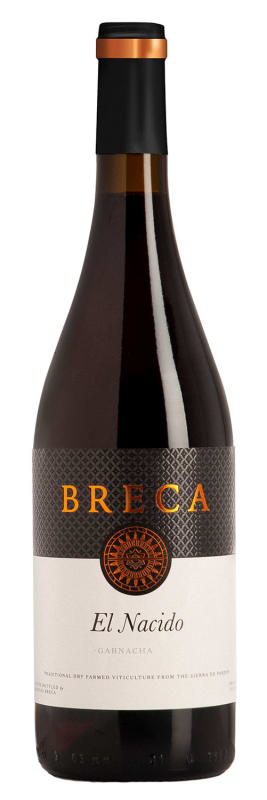


Winemaker Notes
An authentic wine produced from the original Garnacha, which was first cultivated in Aragón in the 7th Century, and spread around Europe by the Medieval Kingdom of Aragón. Calatayud produces a unique expression of Garnacha due to its geographic and climactic conditions. As Spain's highest altitude region for the production of Garnacha, the temperature swings are radical - up to 60°F in the summer. This produces wines with deep color and character, as well as lively acidity. Breca El Nacido is Bodegas Breca's freshest and most fluid interpretation of the old mountain vineyards of Calatayud.
Professional Ratings
-
Jeb Dunnuck
The 2022 Breca El Nacido comes from higher elevation vineyards and is just about all Garnacha, co-fermented with a kiss of white varieties, that's raised in a mix of tank and barrel. Ripe black cherries, black raspberries, peppery herbs, crushed stone, and violet notes all define the aromatics, and it's medium to full-bodied, with a pure, layered mouthfeel, ripe tannins, and a rare mix of richness and freshness.
-
Wine Enthusiast
A bouquet of black and red currants, violet and pine needle paves the way for blackberry, pomegranate, milk chocolate, black olive and baking spice flavors. Vivid acidity and slightly grippy tannins sail into a long-lasting finish.



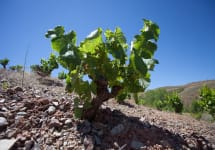
Located in the sleepy town of Munébrega, Bodegas Breca was founded by Jorge Ordóñez in 2010 with the mission of producing the finest Garnacha in Aragón. Garnacha de Aragón, the clone used to produce the wines of Bodegas Breca, is the most ancient and genetically untouched clone of Garnacha (Grenache) in the world. Garnacha was first cultivated in this northeastern corner of Spain and transplanted across the Mediterranean by the medieval Kingdom of Aragón, which had territories across the Mediterranean.
D.O. Calatayud has a unique, extreme terroir. The combination of radical altitudes, diverse slate soils, and drastic climate combine to create a completely unique mesoclimate. As Spain’s highest region to produce Garnacha, Calatayud frequently sees temperature swings of 45°F between day and night. In our mountainside vineyards (2600-3500ft.), our vines are oftentimes exposed to 40-100°F diurnal temperature swings in the summer. The heat allows the grapes to achieve full phenolic ripeness, and the cool nights build high acidity in the grapes. Due to its long vegetative cycle, Garnacha requires a relatively dry, hot climate to reach proper phenolic ripeness. The cold nights, dawn, and dusk, combined with a variety of slate dominant soils, allow the grapes to reach high levels of acidity. Our head trained vineyards were planted between 1900 and 1975, and as with all of the Grupo Jorge Ordóñez vineyards, they are dry farmed. These conditions produce exceptionally balanced wines with ageing potential due to their concentration and acidity.
Jorge Ordóñez pioneered the introduction of Garnacha into the United States in the 1990s, when Garnacha was the most widely planted grape in Spain. At the time, however, all the Spanish red wines available in the American market were Tempranillo dominant. Jorge recognized the quality of the old vine plantings of Garnacha and the wines they produced, and exposed the United States to these sensational wines.

Grenache thrives in any warm, Mediterranean climate where ample sunlight allows its clusters to achieve full phenolic ripeness. While Grenache's birthplace is Spain (there called Garnacha), today it is more recognized as the key player in the red blends of the Southern Rhône, namely Châteauneuf-du-Pape, Côtes du Rhône and its villages. Somm Secret—The Italian island of Sardinia produces bold, rustic, single varietal Grenache (there called Cannonau). California, Washington and Australia have achieved found success with Grenache, both flying solo and in blends.

Calatayud DO is a wine region tucked into northern Spain’s regions just south of Rioja, about 55 miles (90km) from the provincial capital, Zaragoza. When Calatayud attained DO status in the 90s, it rapidly became Aragon’s second largest quality wine-producing region after its neighbor, Cariñena. Since then, it has focused on upgrading and perfecting its wines with progressive improvements in both cooperatives and private bodegas. Similarly, there has been substantial investment in new technology, winemaking system, and vineyard research. Thanks to this, Calatayud wines are now beginning to show their true potential.
The principle red grape varieties grown are Garnacha Tinta, Tempranillo, Syrah, Bobal, Monastrell.
Many of the new wineries are exploring the potential of the Garnacha grape. A new category of red wines called Calatayud Superior is made from red Garnacha from low yield vines that are at least 50 years old.
The principal white grape varieties in Calatayud are Macabeo, Garnacha Blanca, Malvasía and Chardonnay.