


Winemaker Notes
The wine is deep, the color of black plums. Complex and appealing on the nose, it displays distinct fruit and floral aromas including cherry and rose petals that are very typical of the Tempranillo grape. The secondary aromas that emerge next include notes of cedar, nuts and vanilla over a mineral background. The wine is flavorsome and balanced. Touches of spice, mint and cacao appear along with the fruit, adding volume, freshness and personality to this wine, which is powerful and long-lasting on the palate.
Perfect with red meat such as a T-bone steak, entrecote and filet and matured ewes milk cheeses.
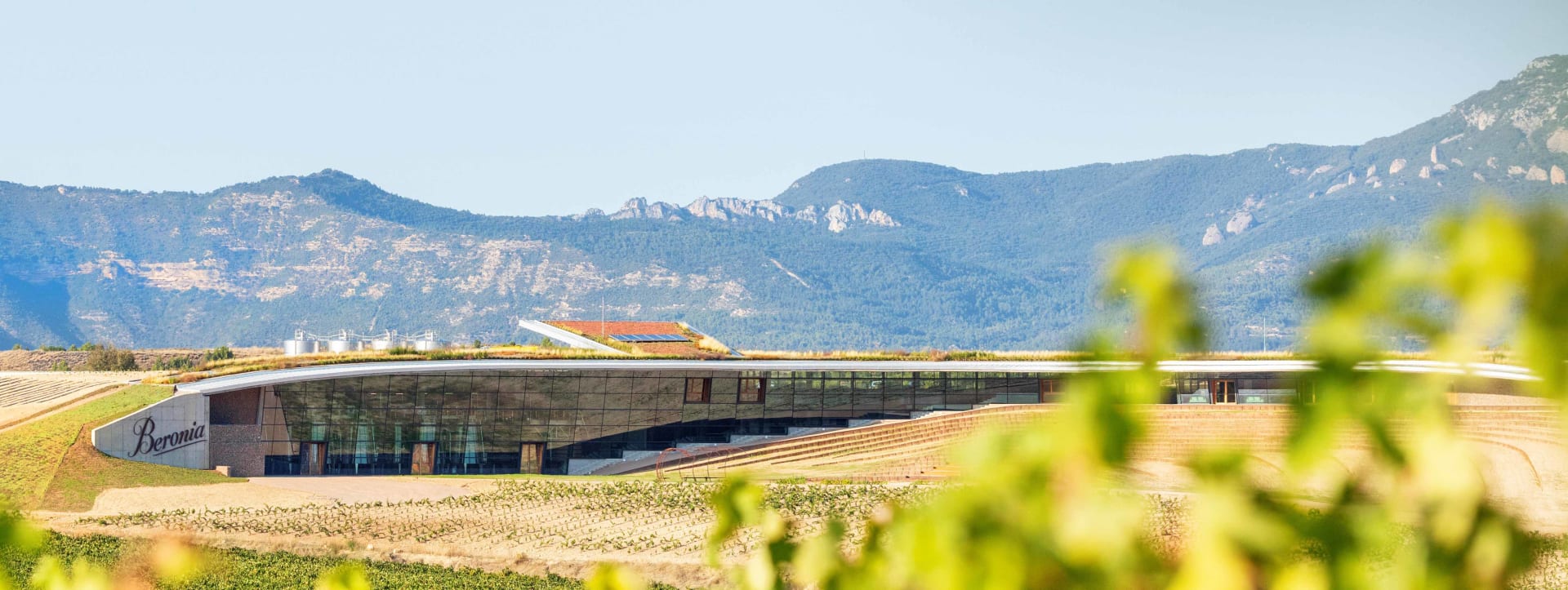




Beronia: Rooted in Friendship
Beronia was founded in 1973 by a group of friends who had a mission to create great wines to complement their culinary creations. The flagship winery, one of the most sustainable in Europe, is located in La Rioja, one of the most important wine regions in Spain. The second winery, solely dedicated to the production of verdejo is located in Rueda, the home of this Spanish variety.
Beronia Rioja is located in the Rioja Alta village of Ollauri, where the River Ebro and Cantabrian mountains shape the land. Rooted in the region, the winery pays tribute to Los Berones, a celtic tribe who inhabited the region in 3rd Century BC, the origins of Rioja. Privileged to be part of two iconic Spanish wine regions, Rioja and Rueda, Beronia is committed to sustainability and finding the perfect balance between honoring local winemaking traditions while pioneering advance modern techniques to make the very best wines the land can produce.
Created by friends who loved food and wine, Beronia remains rooted in friendship, striving to bring people together around the table to enjoy good food, good wine and most importantly good company.

Hailed as the star red variety in Spain’s most celebrated wine region, Tempranillo from Rioja, or simply labeled, “Rioja,” produces elegant wines with complex notes of red and black fruit, crushed rock, leather, toast and tobacco, whose best examples are fully capable of decades of improvement in the cellar.
Rioja wines are typically a blend of fruit from its three sub-regions: Rioja Alta, Rioja Alavesa and Rioja Oriental, although specific sub-region (zonas), village (municipios) and vineyard (viñedo singular) wines can now be labeled. Rioja Alta and Alavesa, at the highest elevations, are considered to be the source of the brightest, most elegant fruit, while grapes from the warmer and drier, Rioja Oriental, produce wines with deep color, great body and richness.