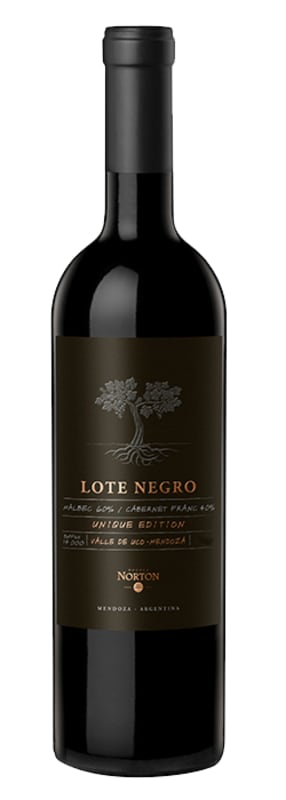


Winemaker Notes
Intense red dark color with a ruby notes. Fruit aromas, such as blackberries and raspberries, are combined with complex spiced notes and mint. It is a wine with great structure, which is granted by the intense fruit and elegant character with a lingering finish.
Professional Ratings
-
James Suckling
The whole spectrum of black and blue-fruit aromas pour from the glass of this concentrated and complex red that’s got the deep tannin structure for long aging and a polished, dry finish that goes on and on. A blend of 60 per cent malbec and 40 per cent cabernet franc. Drink or hold.
-
Robert Parker's Wine Advocate
The 2017 Lote Negro is the third vintage produced exclusively with grapes from the Valle de Uco. It is a blend of Malbec from Los Chacayes with some 40% Cabernet Franc that was harvested early from Altamira. It fermented in concrete vats and matured in used 600-liter oak barrels for 14 months. There are sweet spices and toast aromas intermixed with notes of ripe berries. It has oak flavors, but it's fluid and medium-bodied, with chalky tannins and a dry and long finish. This is really aromatic and expressive, very attractive, with slightly riper fruit than the 2016 I tasted last time. 15,000 bottles produced. It was bottled in February 2019.


One of the world’s most classic and popular styles of red wine, Bordeaux-inspired blends have spread from their homeland in France to nearly every corner of the New World. Typically based on either Cabernet Sauvignon or Merlot and supported by Cabernet Franc, Malbec and Petit Verdot, the best of these are densely hued, fragrant, full of fruit and boast a structure that begs for cellar time. Somm Secret—Blends from Bordeaux are generally earthier compared to those from the New World, which tend to be fruit-dominant.

By far the largest and best-known winemaking province in Argentina, Mendoza is responsible for over 70% of the country’s enological output. Set in the eastern foothills of the Andes Mountains, the climate is dry and continental, presenting relatively few challenges for viticulturists during the growing season. Mendoza, divided into several distinctive sub-regions, including Luján de Cuyo and the Uco Valley, is the source of some of the country’s finest wines.
For many wine lovers, Mendoza is practically synonymous with Malbec. Originally a Bordelaise variety brought to Argentina by the French in the mid-1800s, here it found success and renown that it never knew in its homeland where a finicky climate gives mixed results. Cabernet Sauvignon, Syrah, Merlot and Pinot Noir are all widely planted here as well (and sometimes even blended with each other or Malbec). Mendoza's main white varieties include Chardonnay, Torrontés, Sauvignon Blanc and Sémillon.