


Winemaker Notes
A pale yellow color with greenish reflections and fruity aromas reminiscent of peach, balanced with citric notes. It is fresh and mineral with a marked acidity and a long and rounded finish in the mouth.
Professional Ratings
-
James Suckling
Subtle aromas of green mangoes and lemon rind with some minerals and blossom honey. Medium- to full-bodied with a tight center palate and a creamy texture that runs long and true. Lemon and melon in the finish.
-
Wine Spectator
A vibrant white, with aromas and flavors of orange blossoms, key lime, grapefruit and Asian pear, plus a nice saline and slate edge before lingering on the refreshing finish.
-
Decanter
Fragrant nose with expressive aromas of fresh white fruits and flowers, lemon candy, peaches and anise. Vibrant and well defined.
-
Wine Enthusiast
This is an expressive Albariño, with lively aromas of white flowers, lime, honeydew and sage. Good acidity lifts ripe lemon, peaches, and orange zest on the palate. It has a lingering finish with hints of dried herbs.
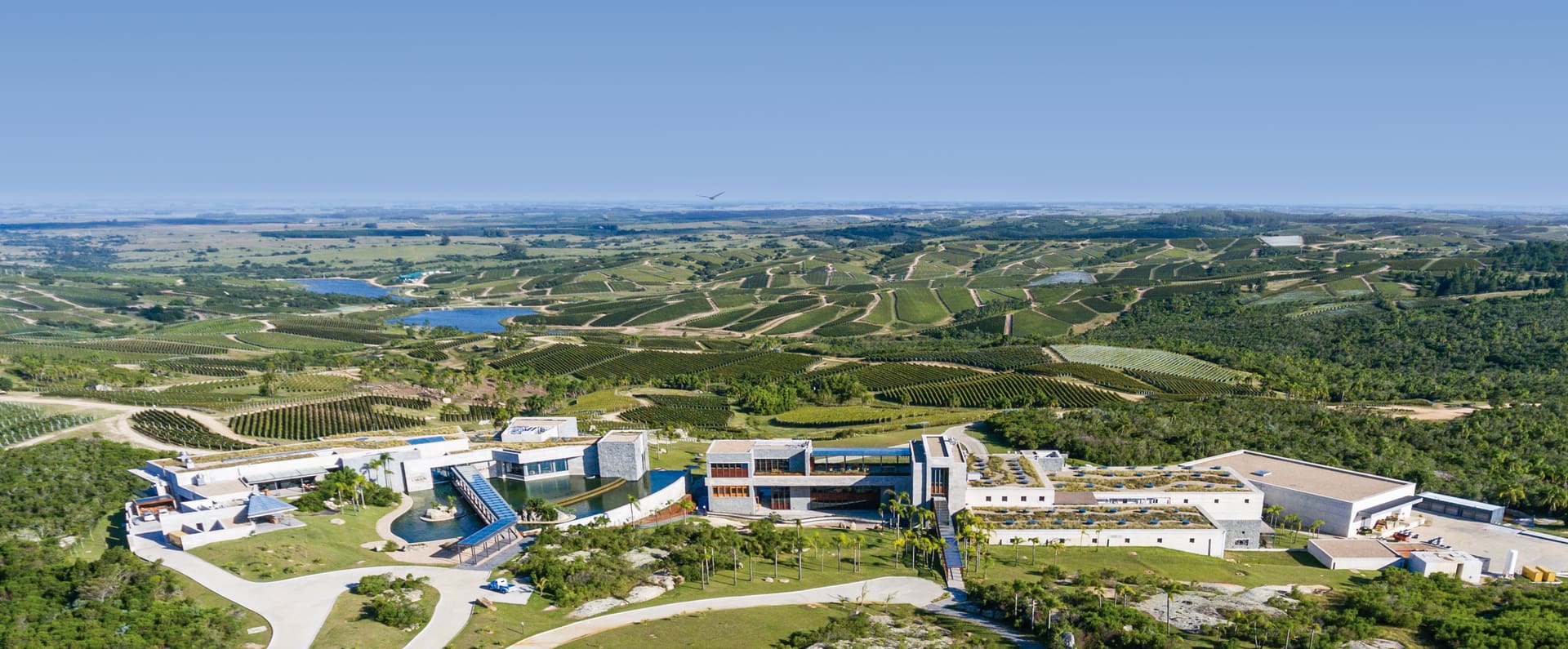



The Greatest Wines of the World are produced where the grape variety finds the ideal conditions to express itself in a natural and authentic way; like at Garzón, where they produce wines that result from the perfect integration of terroir and the different cultivated varieties.
Bodega Garzón is close to Punta del Este, La Barra and José Ignacio, the Uruguayan paradise with mesmerizing landscapes and the perfect combination of past, present and future. The charm of this sophisticated region, located among sloping hills that meet the sea is portrayed in the postcards of Garzón, a small town with 600 inhabitants which is home to tourists, farmers and local artists. This picturesque landscape offers the best environment for their vineyards, orchards and groves.
The wines love the terroir of Garzón with its ballast hills, a soft, stony soil and Atlantic breezes flowing over the vines that result in perfect conditions for creating elegant and complex wines. Therefore, Garzon products are the result of a careful selection of terroir which is appropriate for the development of premium wines and a wide range of grape varieties. This allows the best winemakers to experiment with a new environment and create optimal blends for a market increasingly eager for new wines. The resultant winemaking is focused on producing wines of the highest quality with a distinctive identity, strong personality and sense of place.

Bright and aromatic with distinctive floral and fruity characteristics, Albariño has enjoyed a surge in popularity and an increase in plantings over the last couple of decades. Thick skins allow it to withstand the humid conditions of its homeland, Rías Baixas, Spain, free of malady, and produce a weighty but fresh white. Somm Secret—Albariño claims dual citizenship in Spain and Portugal. Under the name Alvarinho, it thrives in Portugal’s northwestern Vinho Verde region, which predictably, borders part of Spain’s Rías Baixas.
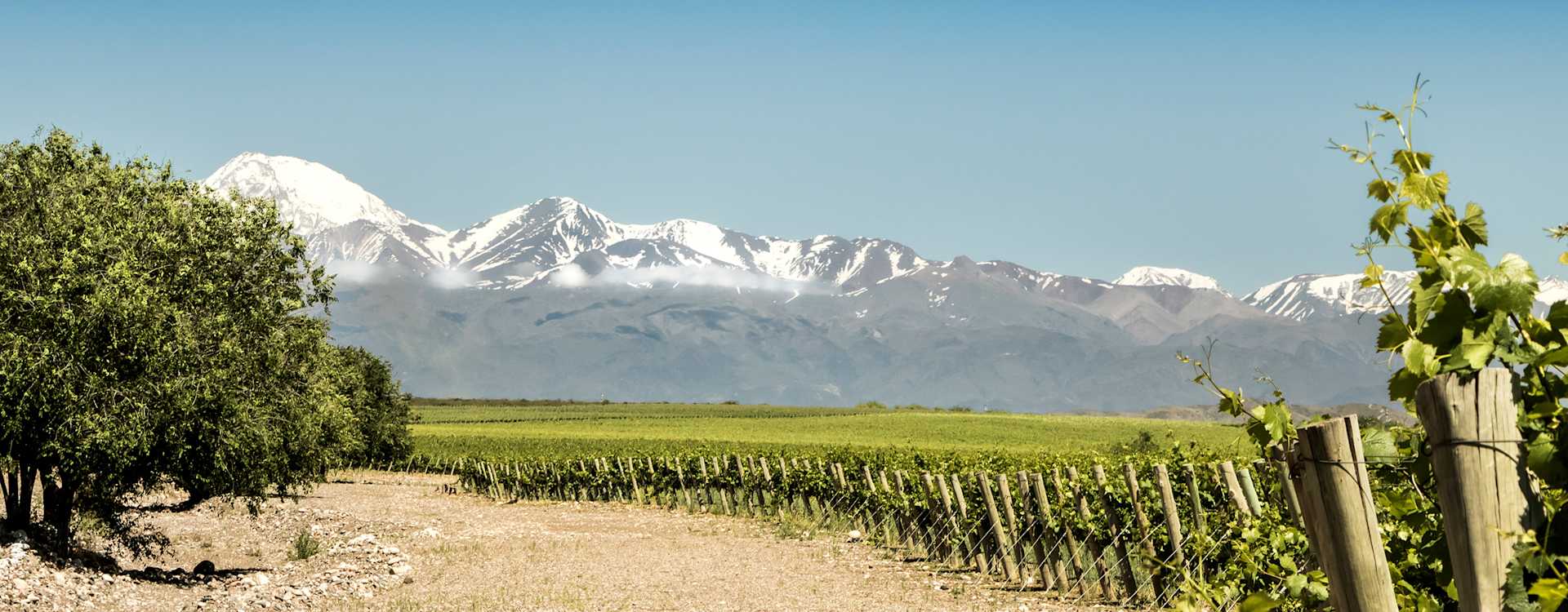
Considered one of the most environmentally sustainable countries in the world, Uruguay is also the fourth largest wine producing country in South America. But in contrast to its neighbors (Chile, Argentina and even Brazil) Uruguay keeps more in step with its European progenitors where land small holdings are most common. Most Uruguayan farms are tiny (averaging only about five hectares) and family-run, many dating back multiple generations. At this size, growers either make small amounts of wine for local consumption or sell grapes to a nearby winery. In all of Uruguay there are close to 3,500 growers but fewer than 300 wineries.
On these small plots of land, manual tending and harvesting, as well as low yields are favored; this small agricultural country has never had a need for large-scale chemical fertilizers or insecticides. Their thriving meat industry also follows the same standards: hormones have been banned since 1968 and today all Uruguayan beef is organic and grass-fed.
Uruguay’s best vineyards are on the Atlantic coast, in Canelones and Maldonado (where cooling breezes lessen humidity) or found hugging its border with Argentina. With a climate similar to Bordeaux and soils clay-rich and calcareous, Uruguay is perfect for Tannat, a thick-skinned, red variety native to Southwest, France. A great Tannat from Uruguay will have no lack of rich red and black fruit, lots of sweet spice and a hefty structure. Sometimes winemakers blend Merlot or Pinot noir with Tannat to soften up its rough edges.
The best Uruguayan whites include Sauvignon blanc and Albarino.