
Winemaker Notes
Professional Ratings
-
Robert Parker's Wine Advocate
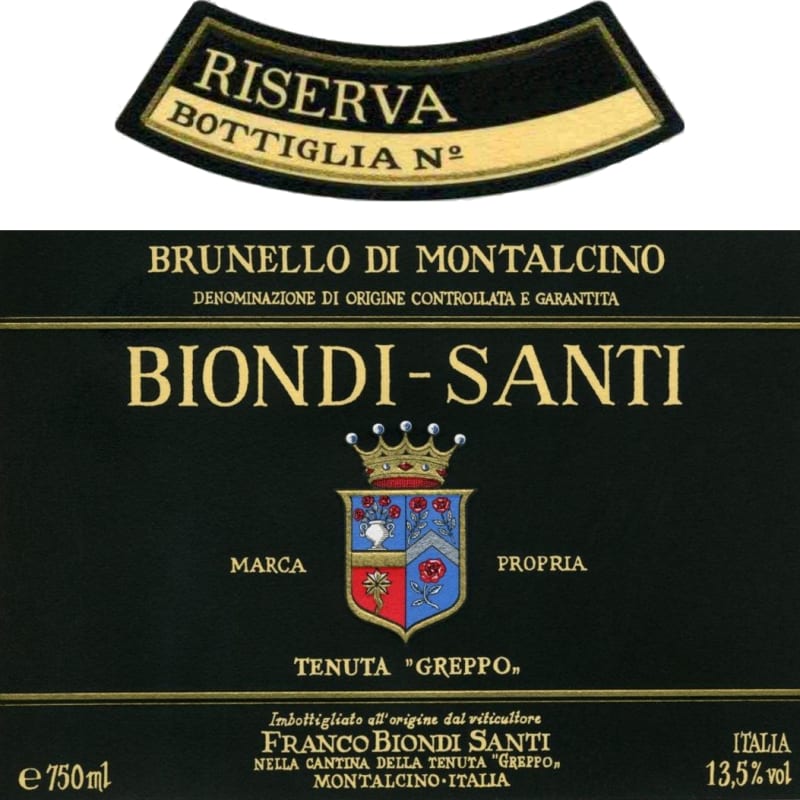
This is a re-release of a wine that first hit the market some seven years ago. The Il Greppo estate did not make a Riserva in the 2011 vintage, and the 2006 Brunello di Montalcino Riserva is being reintroduced to the market (with only 2,500 bottles) to fill in this gap. This is a stunning wine that absolutely merits this considerable score increase. Made when dottore Franco Biondi Santi was alive and very present in the winery, this wine shows spectacular elegance and finesse, articulated with fine aromas of forest berry, blue flower, eucalyptus and lightly barbecued smoke. The wine shows extreme Sangiovese elegance and purity, and while the wine is almost fragile in approach, it ultimately reveals more brawn, volume and staying-power than anticipated.
-
James Suckling
This is a beautiful Brunello with dark-berry, balsamic and cedar aromas and flavors. Medium-bodied, round and rich. Flavorful finish. Shows focus and balance. Traditional and fascinating. Drink or hold. 1,500 bottles released in 2019.


Among Italy's elite red grape varieties, Sangiovese has the perfect intersection of bright red fruit and savory earthiness and is responsible for the best red wines of Tuscany. While it is best known as the chief component of Chianti, it is also the main grape in Vino Nobile di Montepulciano and reaches the height of its power and intensity in the complex, long-lived Brunello di Montalcino. Somm Secret—Sangiovese doubles under the alias, Nielluccio, on the French island of Corsica where it produces distinctly floral and refreshing reds and rosés.

Famous for its bold, layered and long-lived red, Brunello di Montalcino, the town of Montalcino is about 70 miles south of Florence, and has a warmer and drier climate than that of its neighbor, Chianti. The Sangiovese grape is king here, as it is in Chianti, but Montalcino has its own clone called Brunello.
The Brunello vineyards of Montalcino blanket the rolling hills surrounding the village and fan out at various elevations, creating the potential for Brunello wines expressing different styles. From the valleys, where deeper deposits of clay are found, come wines typically bolder, more concentrated and rich in opulent black fruit. The hillside vineyards produce wines more concentrated in red fruits and floral aromas; these sites reach up to over 1,600 feet and have shallow soils of rocks and shale.
Brunello di Montalcino by law must be aged a minimum of four years, including two years in barrel before realease and once released, typically needs more time in bottle for its drinking potential to be fully reached. The good news is that Montalcino makes a “baby brother” version. The wines called Rosso di Montalcino are often made from younger vines, aged for about a year before release, offer extraordinary values and are ready to drink young.