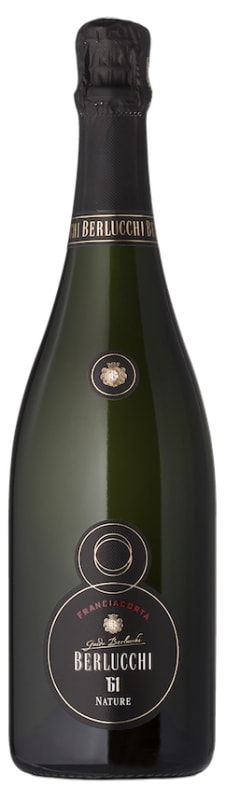


Winemaker Notes
Intense, copper-shot straw-yellow color. On the nose the wine is complex and refined, marked by ripe, yellow fleshed fruit and candied citrus that melts into fragrant pan brioche. A full body and firm structure are hallmarks of this wine, supported by a vibrant acidity, and the richly flavored finish caps its energy-laden, taut progression.
Blend: 70% Chardonnay, 30% Pinot Nero
Professional Ratings
-
Decanter
Bright and saline, this zero-dosage fizz demands food to get the best out of it. Doughy notes with earthy baked apple and stone fruit hints leads to a compact palate which mirrors the nose, with an added touch of demerara sugar and sweet spices which takes this into apple crumble territory. The leesy, briochey finish is balanced by fine bubbles and good acidity.
-
Wine Spectator
A fragrant, leesy version, with a fine, satiny mousse and aromas and flavors of poached apricot, yogurt, crushed almond and anise structured by firm acidity. Chardonnay and Pinot Nero. Drink now through 2026. 4,000 cases made, 400 cases imported.
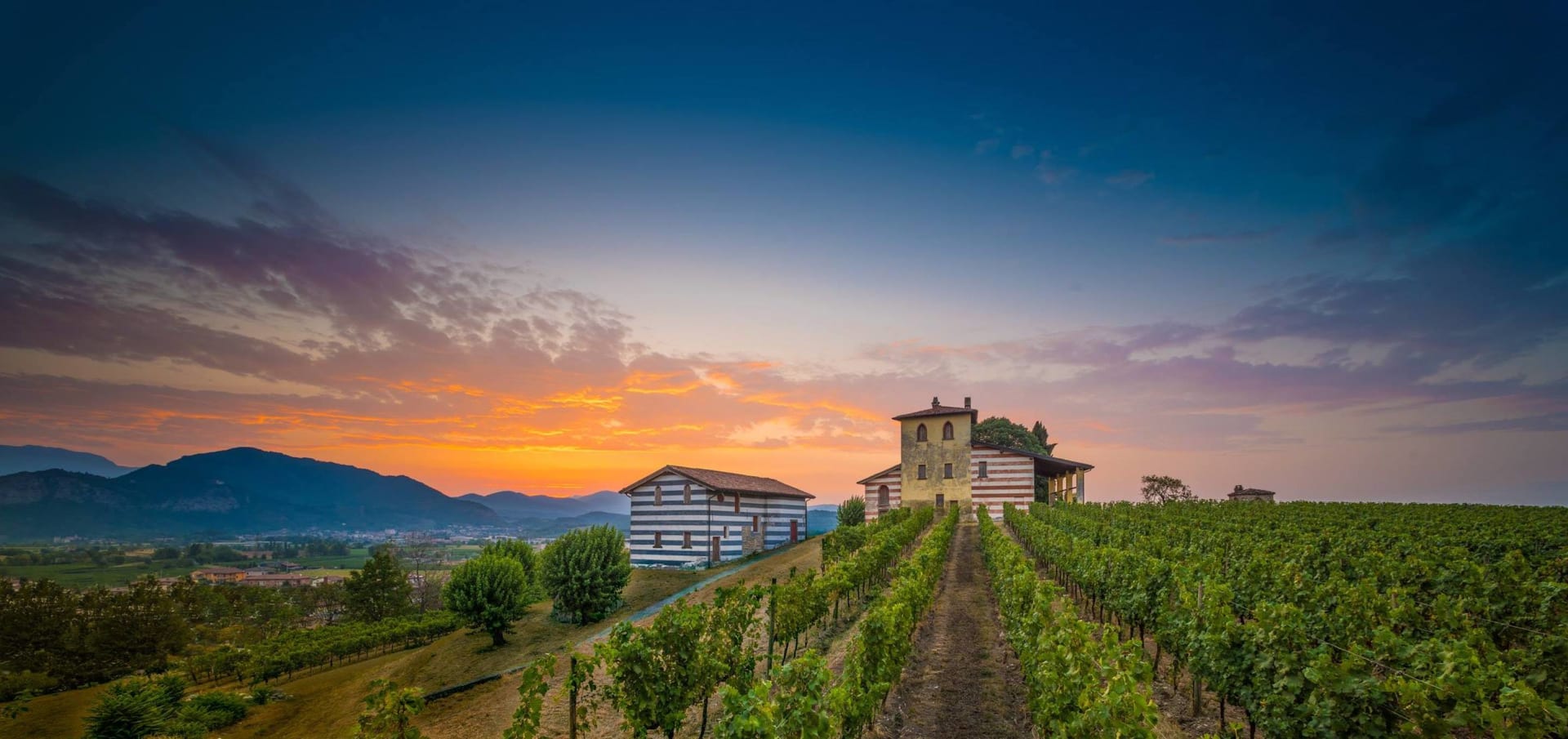




Berlucchi’s excellence is born of curiosity and deep friendship. In 1955, Guido Berlucchi, a successful landowner in the Franciacorta region, approached the young enologist and consultant, Franco Ziliani, to improve his still wines. Then, Ziliani came to Berlucchi with the question: what if we were to make a sparkling wine as the French do? Berlucchi, who was eager to first improve the viability of his Pinot del Castello, offered his property and support to this pioneering experiment. After a number of unsatisfactory vintages, the two men’s partnership produced the first shining vintage of their classic method sparkling wine, the 1961 “Pinot di Franciacorta.” This was a radical departure from the still table wines traditionally produced in the area and one that would prove revelatory for the region. In 1967, Franciacorta became a recognized designation of origin for Italian wine, with Berlucchi leading the way.
The name Berlucchi is now synonymous with Franciacorta and their wines are a staple of Italian celebrations. Franco Ziliani, lovingly referred to as "the father of Franciacorta," remains president of the estate, overseeing the work of his three children, who now lead all communications, production, and sales and marketing. Cristina, Arturo, and Paolo are forging a new vision for Berlucchi into the 21st century. They pioneered the Berlucchi '61 and Palazzo Lana Riserva lines as homage to their father and the founding distinction of Franciacorta and have pushed for higher standards of environmental sustainability in all vineyard and winery practices.
Berlucchi is a unique player in the field of sparkling wine--they capture both the luxury and glamour of this classically romantic beverage while maintaining an intrinsic curiosity and hunger for innovation. Unencumbered by generations of expectation and tradition, Berlucchi succeeded at crafting an elevated sparkling wine, tailored to Italian standards of excellence. They will undoubtedly continue to brighten the pallets and parties of bubbly lovers well beyond the region of Franciacorta.

Representing the topmost expression of a Champagne house, a vintage Champagne is one made from the produce of a single, superior harvest year. Vintage Champagnes account for a mere 5% of total Champagne production and are produced about three times in a decade. Champagne is typically made as a blend of multiple years in order to preserve the house style; these will have non-vintage, or simply, NV on the label. The term, "vintage," as it applies to all wine, simply means a single harvest year.

Containing an exciting mix of wine producing subregions, Lombardy is Italy’s largest in size and population. Good quality Pinot noir, Bonarda and Barbera have elevated the reputation of the plains of Oltrepò Pavese. To its northeast in the Alps, Valtellina is the source of Italy’s best Nebbiolo wines outside of Piedmont. Often missed in the shadow of Prosecco, Franciacorta produces collectively Italy’s best Champagne style wines, and for the fun and less serious bubbly, find Lambrusco Mantovano around the city of Mantua. Lugana, a dry white with a devoted following, is produced to the southwest of Lake Garda.