


Winemaker Notes
High intensity cherry-red cherry color with purple notes in the boarder. Aromatic complexity where we find floral notes and red fruit such as currant, raspberry, etc.. All this softened and complemented by fine notes of sweet spices and the nuances of the wood from the barrel (vanilla and clove).It is a wine of passage marked by a tasty tannin and with personality, the end of mouth takes us to a long and fruity aftertaste with a final minerality that confers elegance and finesse.
Blend: 95% Tempranillo, 5% Cabernet Sauvignon and Merlot
Professional Ratings
-
James Suckling
This has a pretty nose of pink peppercorns, dried violets, blueberries and licorice. Medium-bodied, vibrant and fresh with layers of purple fruit and flowers, supported by fine-grained tannins.
-
Wine Enthusiast
This ruby-colored wine has a nose of brambly berries, thyme and lavender. Dark chocolate and anise play backup to flavors of black cherry, blackberry and a hint of violet. Fluid tannins are there all along but linger on the palate, with a faint hint of strawberry jam.


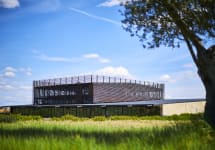
Bela is a homage to the founders of CVNE expressed through an exceptional winery and vineyards. All this makes it a unique place for the production and ageing of the most special Ribera del Duero wines.
Bela was founded in 2017 in Villalba de Duero, when CVNE embarked on a new venture in Ribera del Duero, focusing on estate vineyards located in several villages within the region.
The result is a state-of-the-art winery, boasting a beautiful wood and glass design, perched majestically among the plains of the Ribera del Duero region. Immense wooden pillars frame the more than 6,000-m² winery, which features an underground 10,000-barrel capacity cellar, fermentation area, and tasting room. The winery is surrounded by 74 hectares of vineyards.
This is a fresh expression of the CVNE model, based on quality, artisanal and traditional winemaking methods, and a unique setting for wine tourism situated in the middle of the Ribera del Duero wine region.
This winery is a homage to the ancestors of the CVNE family. The winery was named in honour of Sofia, daughter of Eusebio Real de Asúa, co-founder of the winery in 1879, and in turn great-grandmother of the current managers. She was known in family circles as Bela. In fact, the three stars adorning the wine labels stand for Bela and her siblings, Áurea Minerva and Ramón.

Notoriously food-friendly, long-lasting and Spain’s most widely planted grape, Tempranillo is the star variety of red wines from Rioja and Ribera del Duero. The Rioja terms Joven, Crianza, Reserva and Gran Reserva indicate both barrel and bottle time before release. Traditionally blended in Rioja with Garnacha, plus a bit of Mazuelo (Carignan) and Graciano, the Tempranillo in Ribera del Duero typically stands alone. Somm Secret—Tempranillo claims many different names depending on location. In Penedès, it is called Ull de Llebre and in Valdepeñas, goes by Cencibel. Known as Tinta Roriz in Portugal, Tempranillo plays an important role in Port wine.

Ribera del Duero, Spanish wine region, is located in northen Spain’s Castilla y León region, just a 2-hour drive from Madrid. While winemaking in this area goes back more than 2000 years, it was in the 1980s that 9 wineries applied for and were granted Denominación de Origen (D.O.) status. Today, more than 300 wineries call Ribera del Duero home, including some of Spain’s most iconic names.
Notable Facts Ribera’s main grape variety, Tempranillo, locally know as Tinto Fino, is perfectly suited to the extreme climate of the region, where it must survive scorching summers and frigid winters. Low yields resulting from conscientious tending to old vines planted in Ribera’s diverse soils types, give Ribera wines a distinctive depth and complexity not found in other Tempranillos. Rich and full-bodied, the spice, dark fruit and smoky flavors in a bold Ribera del Duero will pair well with roasted and grilled meats, Mexican food and tomato-based sauces.