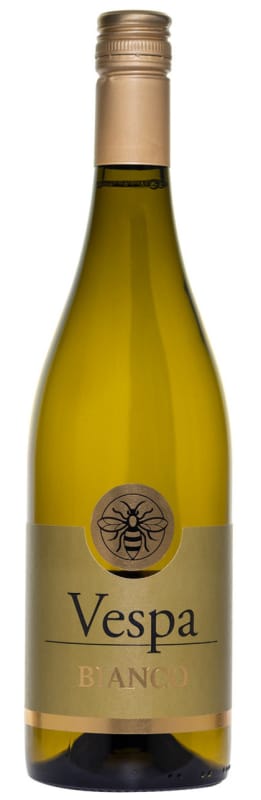


Winemaker Notes
Already from youth its color gives nuances of yellow and gold of ancient reflections, very bright and remarkably clean. On the nose, notes of wax, apricots under spirits, broom and honey give the wine an immediate fresh but structured impact. Incredible its minerality, which elevates it vertically and gives it extraordinary freshness. In the mouth all the complexity, envelopment, silkiness and structure of the wine expand with incredible finesse and elegance giving rise to sensations of caressing voluptuousness. Incredible when aged for several (ten and more) years.
Wine that pairs perfectly with coquillages and shellfish while serenely coping with any type of white meat and structured preparation (even smoked). Unrepeatable when enjoyed on its own, perhaps after a hard day's work.
Professional Ratings
-
Robert Parker's Wine Advocate
The Bastianich 2022 Vespa Bianco is a blend of Chardonnay and Sauvignon Blanc that is matured in stainless steel and large oak casks for 12 months, followed by 24 months in bottle. The wine shows a glossy texture with apricot and Golden Delicious apple followed by a veil of cinnamon spice, honey and nougat. The Chardonnay provides the wine’s baseline structure and breadth, while the Sauvignon Blanc adds lively acidity, aromatic lift and high-toned freshness. The vineyards are planted on Ponca soils at about 220 meters in elevation across six hectares.

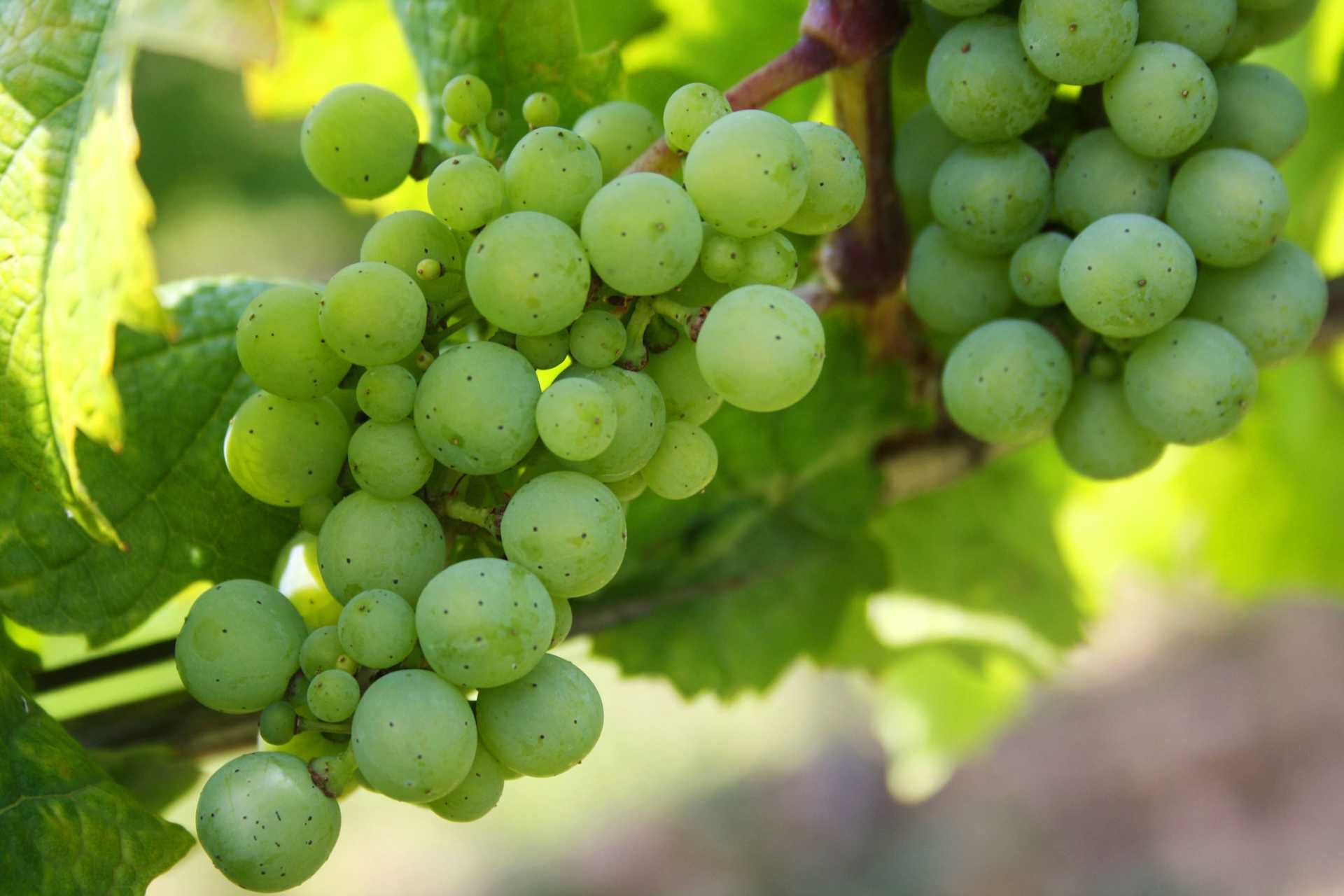
With hundreds of white grape varieties to choose from, winemakers have the freedom to create a virtually endless assortment of blended white wines. In many European regions, strict laws are in place determining the set of varieties that may be used in white wine blends, but in the New World, experimentation is permitted and encouraged. Blending can be utilized to enhance balance or create complexity, lending different layers of flavors and aromas. For example, a variety that creates a soft and full-bodied white wine blend, like Chardonnay, would do well combined with one that is more fragrant and naturally high in acidity. Sometimes small amounts of a particular variety are added to boost color or aromatics. Blending can take place before or after fermentation, with the latter, more popular option giving more control to the winemaker over the final qualities of the wine.

The source of some of Italy’s best and most distinctive white wines, Friuli-Venezia Giulia is where Italian, Germanic and Slavic cultures converge. The styles of wines produced in this region of Italy's far north-east reflect this merging of cultures. Often shortened to just “Friuli,” the area is divided into many distinct subzones, including Friuli Grave, Colli Orientali del Friuli, Collio Goriziano and Carso. The flat valley of Friuli Grave is responsible for a large proportion of the region’s wine production, particularly the approachable Pinot grigio and the popular Prosecco. The best vineyard locations are often on hillsides, as in Colli Orientali del Friuli or Collio. In general, Friuli boasts an ideal climate for viticulture, with warm sunny days and chilly nights, which allow grapes to ripen slowly and evenly.
In Colli Orientali, the specialty is crisp, flavorful white wine made from indigenous varieities like Friulano (formerly known as Tocai Friulano), Ribolla gialla and Malvasia Istriana.
Red wines, though far less common here, can be quite good, especially when made from the deeply colored, rustic Refosco variety. In Collio Goriziano, which abutts Slovenia, many of the same varieties are planted. International varieties like Merlot, Cabernet Sauvignon, and Cabernet Franc are also common, but they tend to be Loire-like in style with herbaceous character and mellow tannins. Carso’s star grape is the red Teranno, notable for being rich in iron content and historically consumed for health purposes. It has an earthy, meaty profile and is often confused with the distinct variety Refosco.