


Winemaker Notes
This Cabernet Sauvignon comes from the summit of their estate and grown in rocky, volcanic soil. This wine displays notes of dark cherries, chocolate & violets.
Professional Ratings
-
Tasting Panel
Labeled as varietal Cabernet, this seems more like a blend-and one from Bordeaux at that, with its complex and impeccably dry, mineral-tinged finish. That's because it is a blend: 79% Cabernet Sauvignon, 9% Petit Verdot, 9% Malbec, and 3% Cabernet Franc. Medium-bodied, with nicely integrated oak and fine-grained tannins, it's more stately than showy and better suited to the table than the bar. Ready to rip now, especially with food, but capable of improving for another five years.
-
Wine Enthusiast
A luscious mélange of meaty, savory, fruity and spicy flavors, this dense and concentrated wine boasts sturdy tannins that wrap around generous, deep flavors.


A noble variety bestowed with both power and concentration, Cabernet Sauvignon enjoys success all over the globe, its best examples showing potential to age beautifully for decades. Cabernet Sauvignon flourishes in Bordeaux's Medoc where it is often blended with Merlot and smaller amounts of some combination of Cabernet Franc, Malbecand Petit Verdot. In the Napa Valley, ‘Cab’ is responsible for some of the world’s most prestigious, age-worthy and sought-after “cult” wines. Somm Secret—DNA profiling in 1997 revealed that Cabernet Sauvignon was born from a spontaneous crossing of Cabernet Franc and Sauvignon Blanc in 17th century southwest France.
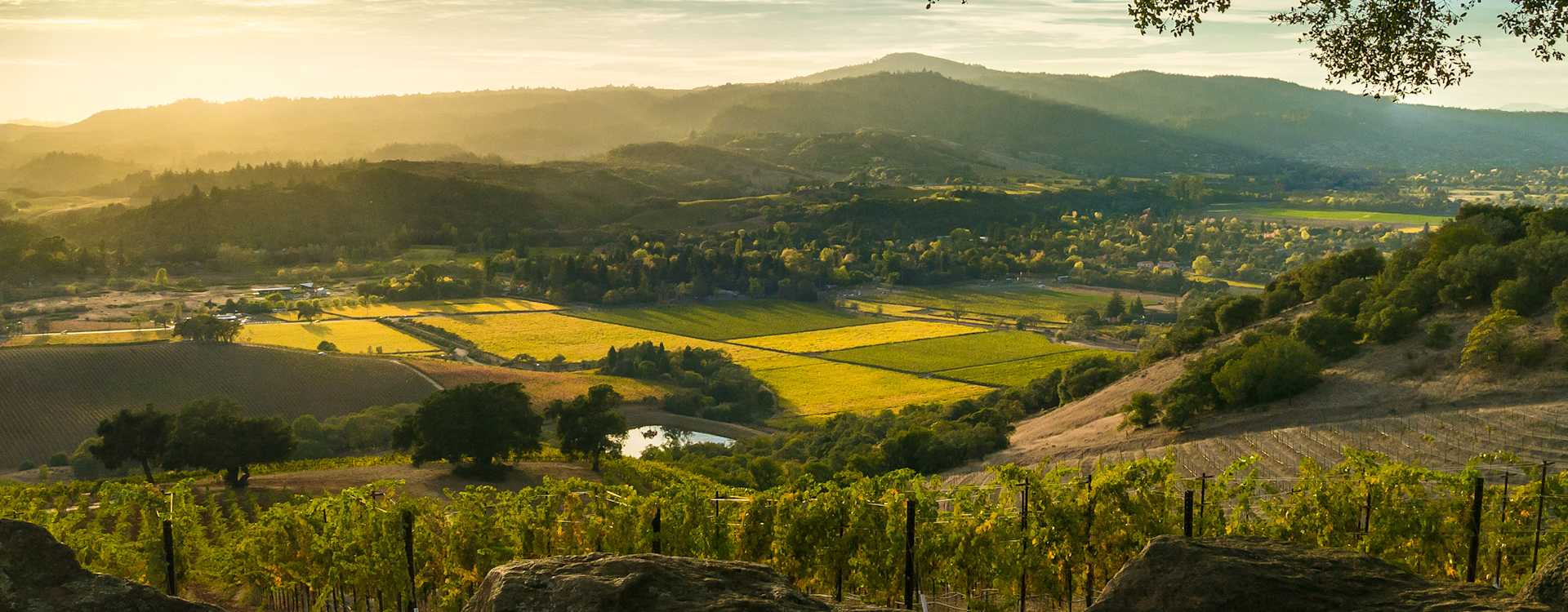
A Sonoma sub-appellation whose boundaries cover the northeastern corner of the Russian River Valley AVA, the Chalk Hill growing area is named after its unique chalky and white, volcanic ash soils. This terrain has proven successful with white varieties, namely Chardonnay and Sauvignon blanc.