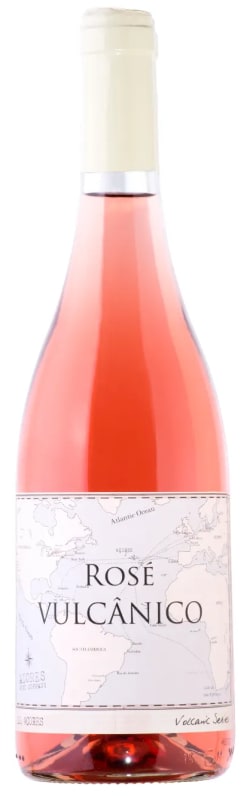


Winemaker Notes
This is a micro-production wine from the tiny island of Pico in the Azores. It is grown in volcanic basalt at sea level, less than 50m from the Atlantic. This terroir and the varietal imbue this wine with incredible minerality and purity, as well as unmistakable salinity. Perhaps the most maritime rosé in existence.
Blend: 25% Saborinho, 25% Agronomica, 25% Aragones, 25% Touriga Nacional


Whether it’s playful and fun or savory and serious, most rosé today is not your grandmother’s White Zinfandel, though that category remains strong. Pink wine has recently become quite trendy, and this time around it’s commonly quite dry. Since the pigment in red wines comes from keeping fermenting juice in contact with the grape skins for an extended period, it follows that a pink wine can be made using just a brief period of skin contact—usually just a couple of days. The resulting color depends on grape variety and winemaking style, ranging from pale salmon to deep magenta.

Best known for intense, impressive and age-worthy fortified wines, Portugal relies almost exclusively on its many indigenous grape varieties. Bordering Spain to its north and east, and the Atlantic Ocean on its west and south coasts, this is a land where tradition reigns supreme, due to its relative geographical and, for much of the 20th century, political isolation. A long and narrow but small country, Portugal claims considerable diversity in climate and wine styles, with milder weather in the north and significantly more rainfall near the coast.
While Port (named after its city of Oporto on the Atlantic Coast at the end of the Douro Valley), made Portugal famous, Portugal is also an excellent source of dry red and white Portuguese wines of various styles.
The Douro Valley produces full-bodied and concentrated dry red Portuguese wines made from the same set of grape varieties used for Port, which include Touriga Nacional, Tinta Roriz (Spain’s Tempranillo), Touriga Franca, Tinta Barroca and Tinto Cão, among a long list of others in minor proportions.
Other dry Portuguese wines include the tart, slightly effervescent Vinho Verde white wine, made in the north, and the bright, elegant reds and whites of the Dão as well as the bold, and fruit-driven reds and whites of the southern, Alentejo.
The nation’s other important fortified wine, Madeira, is produced on the eponymous island off the North African coast.