


Winemaker Notes
With a luminous citrus color, this wine is young and balanced with a crisp and delicate bouquet marked by notes of green apple and lime. The penetrating minerality and vibrant hints of fresh fruit make it an extremely versatile wine that will delight the palate.
Professional Ratings
-
Wine Enthusiast
There is a light prickle to this ripe, dry wine. Produced from one of the major grapes of Vinho Verde, it offers apple and lime flavors that are lifted by zingy acidity and a bite of lemon zest. Drink this refreshing wine now.
Best Buy



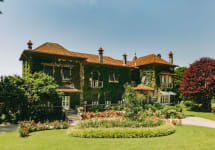
Aveleda is a name which spans several generations. The first records of the sale of bottled wine date back to 1870, with Manuel Pedro Guedes (1837-1899), known for his strong enterprising spirit and believed to be the founder of the business as we know it today. His work bore fruit and the quality of the Aveleda wines started to be recognised, as the gold medals won in the international competitions in Berlin (1888) and Paris (1889) attest.
Today the Guedes family still owns 100% of the company, always committed to maintaining this family legacy which spans several generations. The son of Manuel Pedro Guedes, Fernando Guedes da Silva da Fonseca (1871-1946) continued his father's work, significantly increasing the production capacity at the Estate. He had seven children and it was Roberto Van-Zeller Guedes (1899-1966) who led the family business, dedicating his whole life to working at Aveleda. The 4th generation includes the six children of Roberto Van-Zeller Guedes: Fernando, Luís, António, Maria Isabel, Maria Helena and Roberto – who today manage the company's future, together with the following generation: 14 cousins who make up the fifth generation.
Aveleda became a Certified B Corporation in 2024.
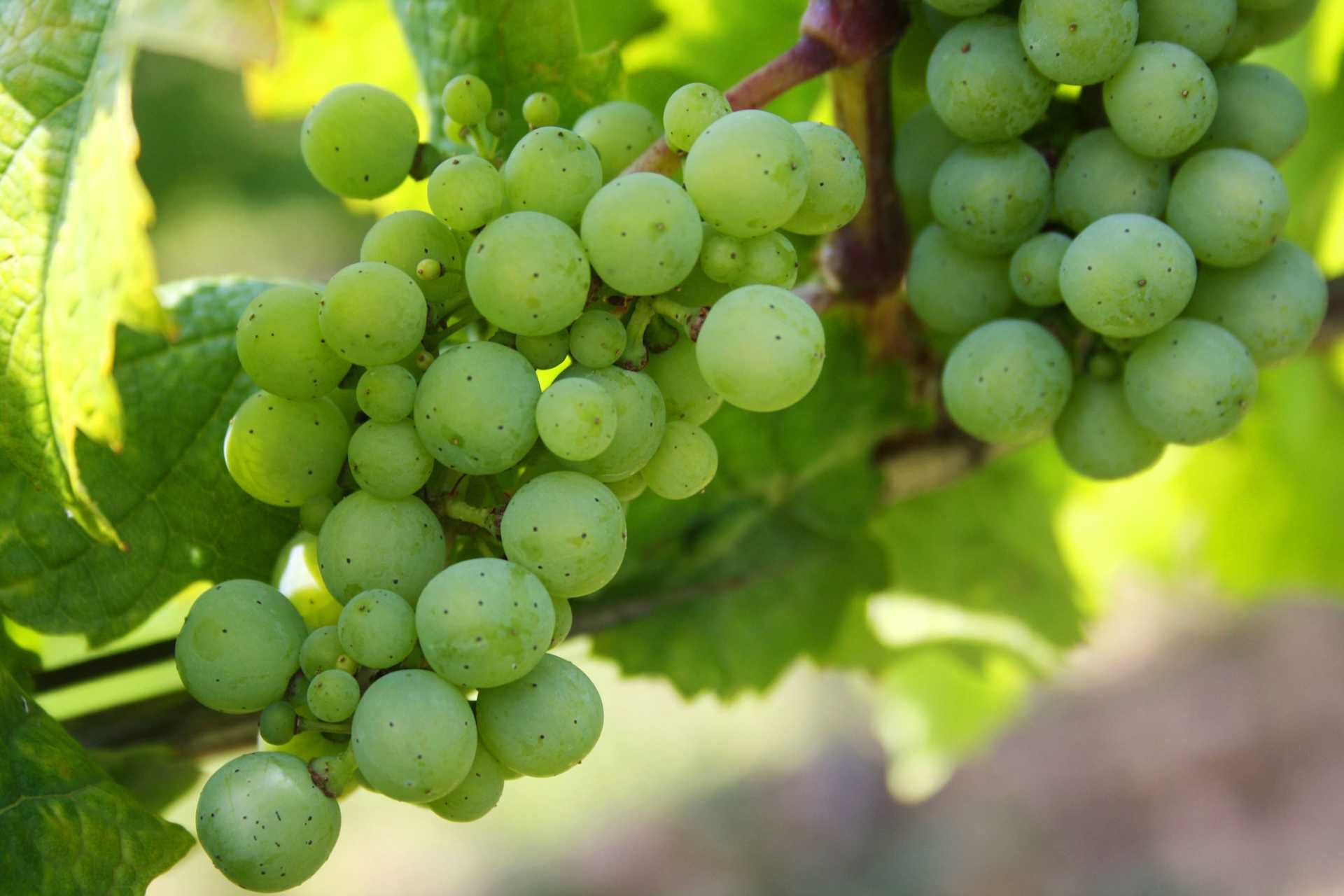
With hundreds of white grape varieties to choose from, winemakers have the freedom to create a virtually endless assortment of blended white wines. In many European regions, strict laws are in place determining the set of varieties that may be used in white wine blends, but in the New World, experimentation is permitted and encouraged. Blending can be utilized to enhance balance or create complexity, lending different layers of flavors and aromas. For example, a variety that creates a soft and full-bodied white wine blend, like Chardonnay, would do well combined with one that is more fragrant and naturally high in acidity. Sometimes small amounts of a particular variety are added to boost color or aromatics. Blending can take place before or after fermentation, with the latter, more popular option giving more control to the winemaker over the final qualities of the wine.

A cheerful, translucid, lemon-yellow and slightly pétillant white wine, Vinho Verde literally means ‘green wine’ and is named after the northwest Portugese region from which it originates. The ‘green’ in the name refers to the youthful state in which the wines are customarily released and consumed, not the color of the wine.
It is typically a blend of various percentages of Alvarinho, Loureiro, Trajadura, and Pedernã (Arinto). Following initial alcoholic fermentation, a natural, secondary malolactic conversion in cask produces carbon dioxide, giving Vinho Verde its charmingly light sparkle.