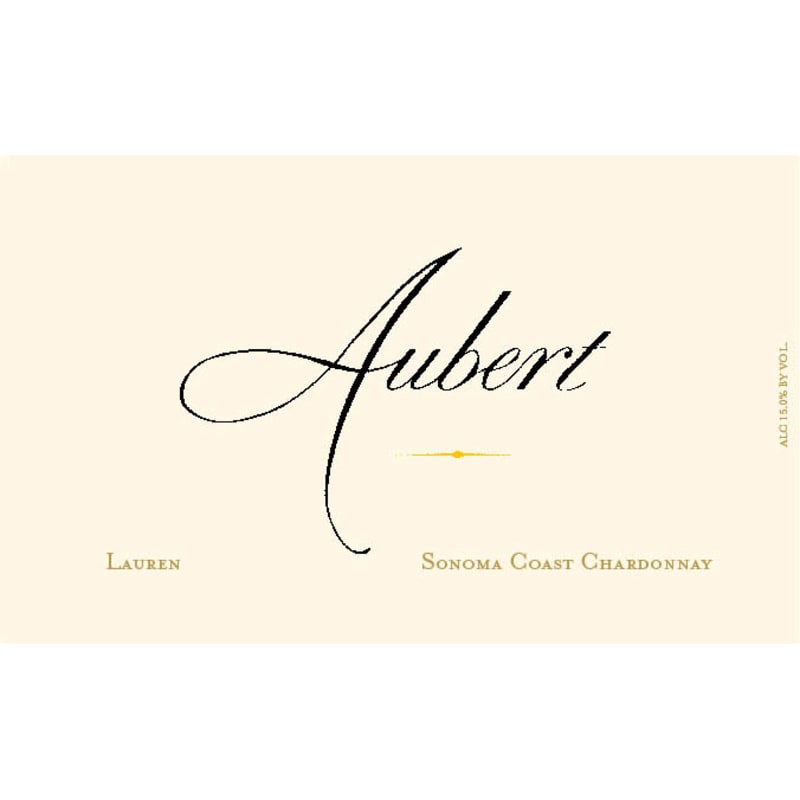

Winemaker Notes
Professional Ratings
-
Robert Parker's Wine Advocate
Bright, lemon-gold colored with a faint green tinge at the rim, the 2005 Chardonnay Lauren Estate is just a little closed to begin, soon blossoming into a spectacular array of key lime pie, preserved mandarin peel and lemongrass notes followed by nuances of straw broom, toasted almonds and wet pebbles. The full-bodied palate is characteristically rich and seductive with loads of zesty sparks and a very long, savory finish. The lesson here is that a decant before serving could well help this cellar-worthy beauty emerge from its slumber.
-
James Suckling
Caramel, sliced dried apples and hints of lemon cookies and almonds. Full-bodied and layered, with some honey and almond character. This opens so beautifully. It almost becomes young with air and age.
-
Wine Spectator
Floral, pear, peach and apple aromas are joined by toasty, cedary oak, delivered on a tightly focused beam. Intense and vibrant, with lively acidity keeping the flavors fresh and lively.


One of the most popular and versatile white wine grapes, Chardonnay offers a wide range of flavors and styles depending on where it is grown and how it is made. While it tends to flourish in most environments, Chardonnay from its Burgundian homeland produces some of the most remarkable and longest lived examples. California produces both oaky, buttery styles and leaner, European-inspired wines. Somm Secret—The Burgundian subregion of Chablis, while typically using older oak barrels, produces a bright style similar to the unoaked style. Anyone who doesn't like oaky Chardonnay would likely enjoy Chablis.
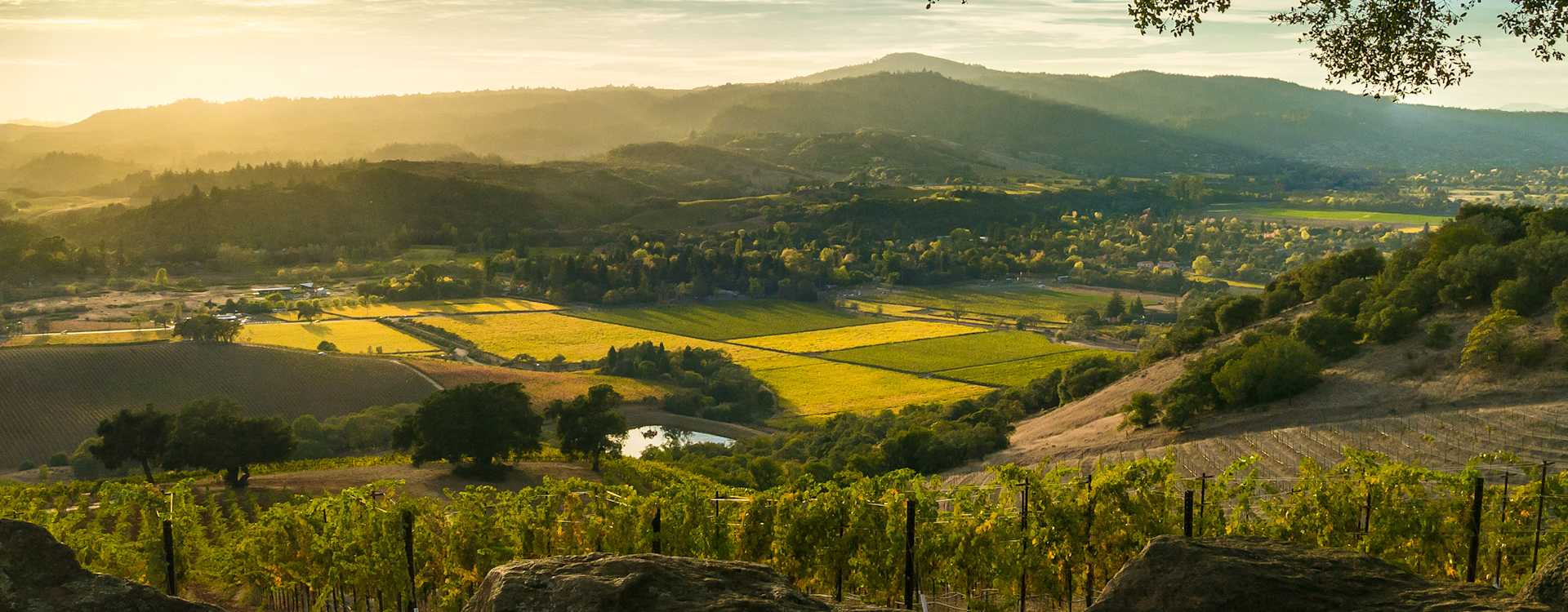
Home to a diverse array of smaller AVAs with varied microclimates and soil types, Sonoma County has something for every wine lover. Physically twice as large as Napa Valley, the region only produces about half the amount of wine but boasts both tremendous quality and variety. With its laid-back atmosphere and down-to-earth attitude, the wineries of Sonoma are appreciated by wine tourists for their friendliness and approachability. The entire county intends to become a 100% sustainable winegrowing region by 2019.
Sonoma County wines are produced with carefully selected grape varieties to reflect the best attributes of their sites—Dry Creek Valley’s consistent sunshine is ideal for Zinfandel, while the warm Alexander Valley is responsible for rich, voluptuous red wines like Cabernet Sauvignon. Chardonnay and Pinot Noir are important throughout the county, most notably in the cooler AVAs of Russian River, Sonoma Coast and Carneros. Sauvignon Blanc, Merlot and Syrah have also found a firm footing here.