

Winemaker Notes
Blend: 98% Cabernet Sauvignon, 2% Cabernet Franc
Professional Ratings
-
James Suckling
Compelling aromas of black fruits such as brambleberries, plus blueberries and fresh mushrooms. Asphalt, too. Forest fruits. The tannins just melt into the wine as you taste it. Aristocratic and regal in style and length. A powdery, fascinating texture. From biodynamically grown grapes. Drink now, but better in 2017.
-
Vinous
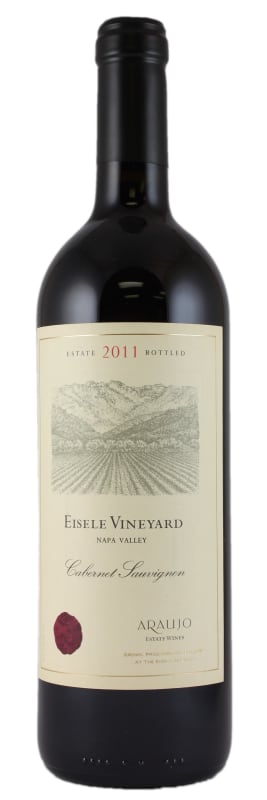
The 2011 Cabernet Sauvignon Eisele Vineyard is the last wine Bart and Daphne Araujo made from start to finish before selling their winery and vineyard to the Artemis Group. All the Eisele signatures are there, but the volume is just turned down. Dark berry fruit, gravel, spice, earthiness and leather lend striking aromatic nuance throughout. This mid- weight, supremely elegant Cabernet Sauvignon is sublime.
-
Robert Parker's Wine Advocate
The 2011 Cabernet Sauvignon Eisele Vineyard is simply beautiful. It is easily one of the most complete and compelling wines of the vintage. Rich, flashy and open, especially within the context of the vintage, the 2011 impresses for its depth and polish. Layers of blue and black fruit, savory herbs, mint and licorice come together in this complete Cabernet. A model of total class and elegance, the 2011 is simply remarkable for the year. This is one of the few wines of the vintage with real potential not just for the near-term, but also for the future. Anticipated maturity: 2015-2026.
Range: 92-95


One of the most prestigious wines of the world capable of great power and grace, Napa Valley Cabernet is a leading force in the world of fine, famous, collectible red wine. Today the Napa Valley and Cabernet Sauvignon are so intrinsically linked that it is difficult to discuss one without the other. But it wasn’t until the 1970s that this marriage came to light; sudden international recognition rained upon Napa with the victory of the Stag’s Leap Wine Cellars 1973 Cabernet Sauvignon in the 1976 Judgement of Paris.
Cabernet Sauvignon undoubtedly dominates Napa Valley today, covering half of the land under vine, commanding the highest prices per ton and earning the most critical acclaim. Cabernet Sauvignon’s structure, acidity, capacity to thrive in multiple environs and ability to express nuances of vintage make it perfect for Napa Valley where incredible soil and geographical diversity are found and the climate is perfect for grape growing. Within the Napa Valley lie many smaller sub-AVAs that express specific characteristics based on situation, slope and soil—as a perfect example, Rutherford’s famous dust or Stags Leap District's tart cherry flavors.