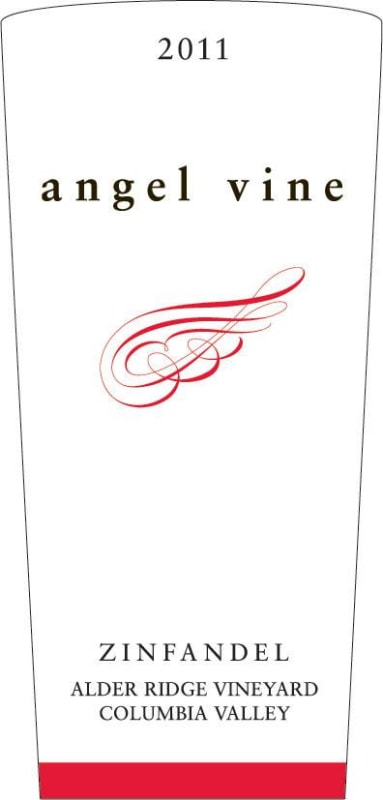

Winemaker Notes


Unapologetically bold, spice-driven and jammy, Zinfandel has secured its title as the darling of California vintners by adapting well to the state's diverse microclimates and landscapes. Born in Croatia, it later made its way to southern Italy where it was named Primitivo. Fortunately, the imperial nursery of Vienna catalogued specimens of the vine, and it later made its way to New England in 1829. Parading the true American spirit, Zinfandel found a new home in California during the Gold Rush of 1849. Somm Secret—California's ancient vines of Zinfandel are those that survived the neglect of Prohibition; today these vines produce the most concentrated, ethereal and complex examples.

"Surely this is Horse Heaven!”
Its wide prairies and rolling expanses led an early pioneer to proclaim that the region looked like “horse heaven,” and as a result, the area was appropriately named. Horse Heaven Hills is in south central Washington state, geographically bound on its northern border by the Yakima River and in the south, by the larger Columbia River.
Its proximity to the Columbia River contributes to a variety of climactic factors that dramatically affect its grapes. In particular, an increase in wind from changes in pressure along the river, which flows from the cool and wet Pacific Ocean, inland to Washington’s hot and arid plains, creates 30% more wind than there would be otherwise. These winds moderate temperatures, protect against mold and rot, reduce the risk of early and late season frosts, diminish canopy size and toughen grape skins.
The vineyards bordering the river are on steep, south-facing, well-exposed slopes, with well-drained, sandy-loam soils. But the soils of the appellation are diverse throughout, ranging from wind-blown sand and loess, Missoula Flood sediment, and rocky basalt. Horse Heaven Hills has an arid continental climate with elevations ranging from 200 to 1,800 feet.
The first vines of the appellation were planted in 1972 in an optimal spot now referred to as the Champoux Vineyard. Today it remains the source of some of Washington’s most desirable and expensive Cabernet Sauvignons. In fact, the appellation as a whole boasts many of Washington’s top scoring wines. Its primary grape varieties are Cabernet Sauvignon, Merlot, Syrah, Chardonnay and Riesling.