


Winemaker Notes
Nautical Dawn is a single origin Chenin Blanc wine. Since its maiden vintage in 2017 it has helped to showcase the raw talent of the False Bay coast of Stellenbosch - a vital part of the Cape Chenin story. The wine has quite an extreme nature and a strong personality. Even with early picking this vineyard delivers huge flavor with intense concentration and ripping natural acid.
Professional Ratings
-
James Suckling
Multi-layered style with complexity and depth of grapefruit peel and wet wool, chalky minerality then powerful and concentrated on the palate with medium-bodied good weight, tingling acidity and an almondy, slightly oxidative finish. Chewy and savory. Drink or hold.
-
Vinous
The 2025 Nautical Dawn comes from 1978-planted bush vine Chenin Blanc that is raised on the lees for 12 months. This has a very distinctive, flor-like scent (Alheit put it down to ethyl acetate), though that ebbs away with time. (It appeared on the 2023 also.) The palate is strict and linear, quite sappy, but does not quite have the broadness, the amplitude of the Fire By Night. I will be cautious for now and seek to revisit this in a couple of years.
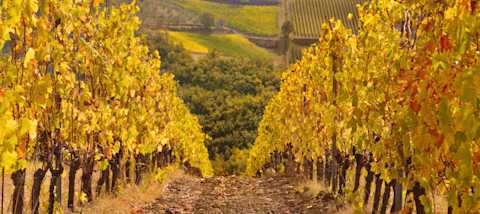
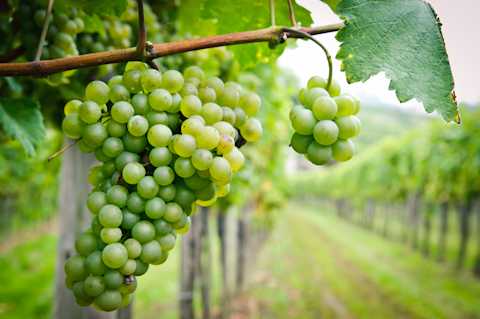
Unquestionably one of the most diverse grape varieties, Chenin Blanc can do it all. It shines in every style from bone dry to unctuously sweet, oaked or unoaked, still or sparkling and even as the base for fortified wines and spirits. Perhaps Chenin Blanc’s greatest asset is its ever-present acidity, maintained even under warm growing conditions. Somm Secret—Landing in South Africa in the mid 1800s, today the country has double the acreage of Chenin Blanc planted compared to France. There is also a new wave of dedicated producers committed to restoring old Chenin vines.
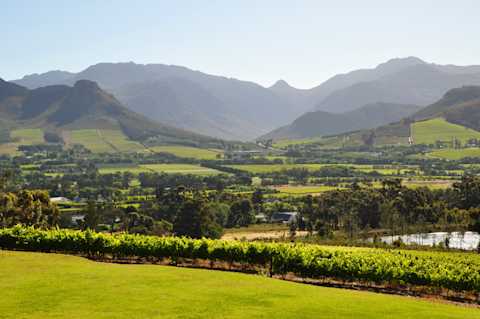
With an important wine renaissance in full swing, impressive red and white bargains abound in South Africa. The country has a particularly long and rich history with winemaking, especially considering its status as part of the “New World.” In the mid-17th century, the lusciously sweet dessert wines of Constantia were highly prized by the European aristocracy. Since then, the South African wine industry has experienced some setbacks due to the phylloxera infestation of the late 1800s and political difficulties throughout the following century.
Today, however, South Africa is increasingly responsible for high-demand, high-quality wines—a blessing to put the country back on the international wine map. Wine production is mainly situated around Cape Town, where the climate is generally warm to hot. But the Benguela Current from Antarctica provides brisk ocean breezes necessary for steady ripening of grapes. Similarly, cooler, high-elevation vineyard sites throughout South Africa offer similar, favorable growing conditions.
South Africa’s wine zones are divided into region, then smaller districts and finally wards, but the country’s wine styles are differentiated more by grape variety than by region. Pinotage, a cross between Pinot Noir and Cinsault, is the country’s “signature” grape, responsible for red-fruit-driven, spicy, earthy reds. When Pinotage is blended with other red varieties, like Cabernet Sauvignon, Merlot, Syrah or Pinot Noir (all commonly vinified alone as well), it is often labeled as a “Cape Blend.” Chenin Blanc (locally known as “Steen”) dominates white wine production, with Chardonnay and Sauvignon Blanc following close behind.