St. Estephe Bordeaux, France 1 Items
You're no longer following this brand
You'll no longer receive alerts for new arrivals and brand updates
- Half Bottles 3
- Standard (750ml) clear Special Designation filter
- 2025 13
- 2024 10
- 2023 18
- 2022 24
- 2021 11
- 2020 19
- 2019 22
- 2018 24
- 2017 22
- 2016 24
- 2015 25
- 2014 25
- 2013 10
- 2012 30
- 2011 29
- 2010 36
- 2009 29
- 2008 16
- 2007 9
- 2006 11
- 2005 19
- 2004 11
- 2003 10
- 2002 7
- 2001 6
- 2000 12
- 1999 10
- 1998 8
- 1997 clear Vintage filter
- 1996 9
- 1995 7
- 1994 5
- 1993 1
- 1992 2
- 1991 1
- 1990 5
- 1989 2
- 1988 3
- 1986 1
- 1985 2
- 1982 3
- 1981 2
- 1979 1
- 1970 1
- 1966 1
- 1961 1
-
Product Types Any
-
Gift Type Any
-
Occasion Any
-
Curated Set Contents Any
-
Spirit Type Any
-
Wine Type Any
-
Region St. Estephe
-
Availability Include Out of Stock
-
Size & Type Standard (750ml)
-
Fine Wine Any
-
Vintage 1997
-
Reviewed By Any
-
Sort By Most Popular
-
 Ships TomorrowLimit 120 per customerSold in increments of 0
Browse by Category
Red White Sparkling Rosé Spirits GiftsLearn about St. Estephe wine, common tasting notes, where the region is and more ...
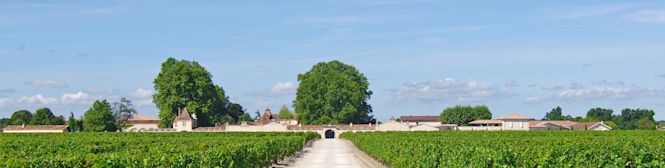
Deeply colored, concentrated, and distinctive, St. Estephe is the go-to for great, age-worthy and reliable Bordeaux reds. Separated from Pauillac merely by a stream, St. Estephe is the farthest northwest of the highest classed villages of the Haut Medoc and is therefore subject to the most intense maritime influence of the Atlantic.
St. Estephe soils are rich in gravel like all of the best sites of the Haut Medoc but here the formation of gravel over clay creates a cooler atmosphere for its vines compared to those in the villages farther downstream. This results in delayed ripening and wines with higher acidity compared to the other villages.
While they can seem a bit austere when young, St. Estephe reds prove to live very long in the cellar. Traitionally dominated by Cabernet Sauvignon, many producers now add a significant proportion of Merlot to the blend, which will soften any sharp edges of the more tannic, Cabernet.
The St. Estephe village contains two second growths, Chateau Montrose and Cos d’Estournel.