Master of Wine Tim Marson on Blind Tasting, Vintage Picks and the Best Values in Wine
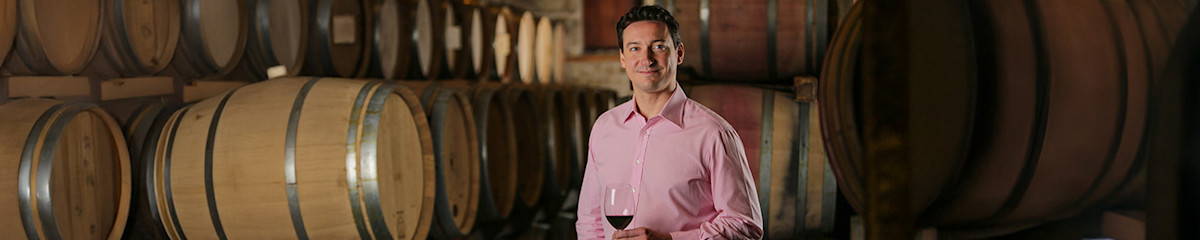
Tim Marson MW is Wine.com's in-house Master of Wine and our buyer for Burgundy and Italian wines. His short answers: look for value in Bordeaux reds, Portugal, the south of Italy and France, and Spanish Garnacha and Sherry; buy 2022 and 2021 Burgundy and every 2021 Barolo and Barbaresco you can afford; and know the producer before you spend more.
The Master of Wine credential is one of the most prestigious in the wine world, requiring years of study, extensive blind tasting training and a deep understanding of wine business and production. We sat down with Tim to talk about earning the MW, how he finds wines for our customers, and where wine lovers are finding value today. (Curious how the MW differs from a Master Sommelier? Read Master of Wine vs. Master Sommelier: What's the Difference?)
The Blind Tasting Challenge
The blind tasting exam fascinates many people. Do you have any sense of the regions in advance?
There are 3 timed papers of 12 wines each (normally comprising red, white, and sparkling/dessert/fortified respectively) and the wines can come from anywhere and be of any quality level, although there tends to be an emphasis on "classic" regions, varieties, and styles, with a nod to emerging or commercially relevant examples.
How did you train for it, and what does "accuracy" mean at MW level?
I started tasting wines "blind" competitively at university (the advantage of a British education!) but the only way to become a good taster is to practice extensively and to taste widely. Since the MW practical (tasting) papers are written rather than viva voce (as in the Master Sommelier exam) you also have to learn how to communicate effectively and efficiently what you taste in the glass to support your argument as to not only what the wine is or could be, but how it was made, how good it is relatively speaking, and even how it could be sold or marketed.
What changed most in how you evaluate wine after earning the MW?
Passing the MW doesn't mean you are suddenly a better taster; your palate is at its absolute optimum the day you sit the practical exams (assuming you are successful), which could be many years before you actually earn the title: 6 years in my case! The MW approach to tasting is only partially about identification; the most important learning is how to assess quality and to understand where a given wine fits within its regional hierarchy and what its commercial application might be. You might be faced with an inexpensive white Zinfandel and a first growth Bordeaux in the same exam!
The Business of Wine
Has MW training shaped the way you buy wine?
The MW examination (unlike the MS) includes a business of wine theory paper, and candidates are expected to be cognizant of commercial considerations throughout the practical and theory exams. Buying wine professionally requires you to be acutely aware of the needs of both your business and the customer. Nobody gets very far by just buying the wines they like. It's no accident that many of the major wine industry buyers in the UK (the original home of the Institute of Masters of Wine) are MWs.
Where to Find Value Right Now
Where do you think the market is undervaluing quality right now?
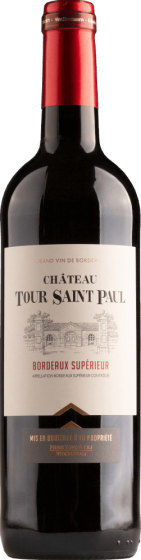
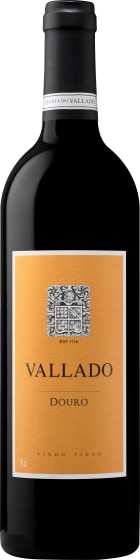
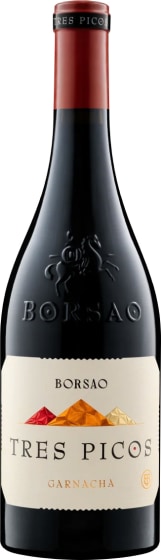
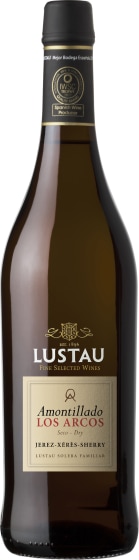
We have all seen the prices of the most coveted wines in the world, be they from Napa, Tuscany, or Burgundy, become unaffordable to all but the wealthiest collectors, but there is still plenty of value to be had if you know where to look. Hiding in plain sight are some of the humble red wines of Bordeaux, which can deliver terrific quality-price ratio. Portugal can be a source of amazing value in wines of all hues and styles. Nothing gives me more satisfaction than tasting a wine from a less noble or familiar denominazione in Italy or appellation in France (usually in the less fashionable south of both countries) that delivers pure drinking pleasure for under $25/bottle. And you can't ignore Spain: incredible Garnacha and unique Sherries that still sell for a song!
Below: one example of each style Tim names, a Bordeaux red, a Douro red from Portugal, a Spanish Garnacha and a dry Amontillado Sherry.
As a Burgundy and Italian wine buyer, do you have any buying tips for novice wine drinkers?
Both areas are notoriously complex and diverse so it can be really perplexing or downright frustrating even for seasoned drinkers. If you are going to be spending more, make sure you are familiar with the producer: the appellation name alone is often no guarantee of quality (or even style). And read up a bit on vintages: even with climate change there can be significant differences in how the wines taste from year to year. At Wine.com we try to provide both winemaker tasting notes and professional reviews and ratings when published. But don't rely on these alone because every palate is different! Finally, don't be afraid to try something new. Often the best value wines come from off the beaten track. And they make for great conversations too.
Top producers or regions in the under $50 category?
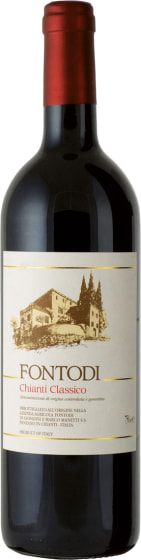
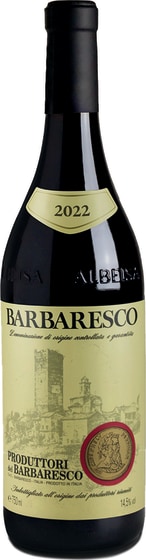
Look for the "entry level" wines from the top producers. These are usually made in the same cellar with the same care but from grapes grown in less hallowed ground. In top years they can be very smart buys. Chianti Classico has really smartened up its game over the past 10-15 years and there is some remarkable value to be had here. I'm a sucker for good Nebbiolo, and Barbaresco can achieve a finesse and an affordability that should be on every drinker's radar.
Below: a Chianti Classico from Fontodi, one of Tim's top Italian producers, and a Barbaresco.
Grab the 2022 Burgundies while you can (most of which are pre-tariff): beautifully ripe, polished wines in both colors. But don't pass up the 2021s, the insider's choice for Pinot of restraint and perfume, and Chardonnays bristling with tension. In Italy, buy every 2021 Barolo and Barbaresco you can afford. You won't regret it and the wines won't take forever to come around. It's also a must-buy vintage in Tuscany, but you can still find the powerful 2019s (patience required) and succulent 2020s produced in Montalcino and elsewhere.
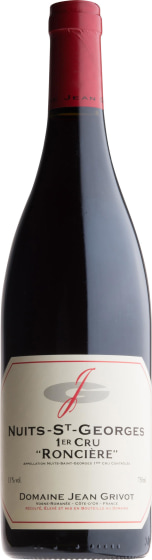
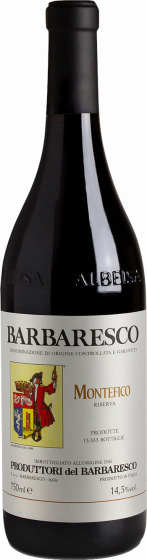
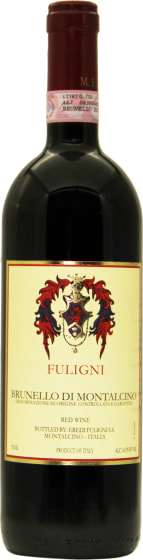
Below: a 2022 red Burgundy from Jean Grivot, a 2021 Barbaresco and a 2021 Brunello di Montalcino from Fuligni.
Getting spicy: Who do you consider today's top producers in Burgundy and Italy?
I tend to avoid favorites but at a push here's a personal top 5 in alphabetical order (where we have at least one wine available on the site to some customers). It might change tomorrow!
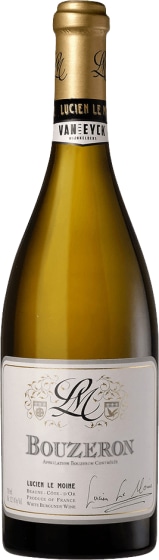
Burgundy: Jean Grivot; Antoine Jobard; Lucien Le Moine; J-F Mugnier; Armand Rousseau
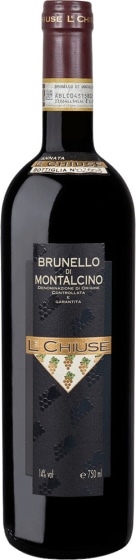
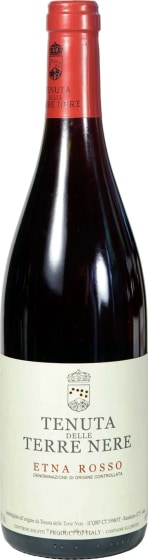
Italy: Le Chiuse; Fontodi; Fuligni; Giuseppe Rinaldi; Tenuta delle Terre Nere
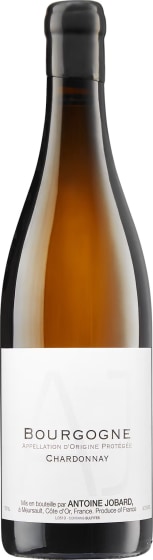
Below: a white Burgundy from Antoine Jobard, a Bouzeron from Lucien Le Moine, Le Chiuse Brunello di Montalcino and Terre Nere's Etna Rosso.
Tim Marson is Wine.com's in-house Master of Wine and its buyer for Burgundy and Italian wines. He started blind tasting competitively at university and earned the MW title six years after the practical tasting exams that tested his palate.
How many wines are in the Master of Wine tasting exam?
36: three timed papers of 12 wines each, normally reds, whites, and sparkling, dessert and fortified wines. The wines can come from anywhere and be of any quality level, with an emphasis on classic regions, grapes and styles.
Where does a Master of Wine look for value?
Tim points to the humble red wines of Bordeaux, Portugal in every style, less familiar denominations in the south of Italy and France for under $25 a bottle, and Spain's Garnacha and Sherry.
Which vintages does Tim Marson recommend?
2022 and 2021 in Burgundy; every 2021 Barolo and Barbaresco you can afford; 2021 in Tuscany, plus the powerful 2019s and succulent 2020s from Montalcino and elsewhere.
How do you find good Burgundy or Italian wine under $50?
Look for the entry-level wines of top producers, often made in the same cellar with the same care from less famous vineyards. Tim also singles out Chianti Classico and Barbaresco for value.