Some inexpensive U.S. sparkling wines, such as those from Korbel, Cook's and Gallo, can still say "California Champagne" because a 2006 U.S.-EU wine agreement banned new uses of the name but grandfathered producers already using it. Under French and EU law, Champagne means traditional-method sparkling wine from the Champagne region of France.
For centuries, place has mattered enormously in the production, appreciation and mystique of wine. No one takes this more seriously than the French, and even in France few are more passionate about it than the growers and producers of Champagne. Here is how the name came to be protected, and why it still turns up on some American labels.
At a glance
1891: an international treaty first protects the Champagne name.
1919: the Treaty of Versailles reaffirms it; the U.S. never ratified the treaty.
1936: Champagne receives AOC status.
2006: a U.S.-EU wine agreement stops new U.S. uses of the name.
Grandfathered producers, such as Korbel, Cook's and Gallo, may keep it.
1. How Champagne Protected Its Name
Led by the trade organization the Comité Interprofessionnel du Vin de Champagne, Champagne's growers and houses diligently guard against unauthorized uses of the name. By French and European Union law, Champagne can only describe traditional-method sparkling wine from the region of the same name.
An 1891 treaty provided the first legal protection of the Champagne place name, and the 1919 Treaty of Versailles, which formally ended World War I, reaffirmed it. The next protective step was the French wine appellation system, established in 1935, with Champagne receiving AOC status in 1936. To read the terms on a real Champagne label, see how to read a Champagne label.
2. Why American Wineries Used European Names
The United States never ratified the Treaty of Versailles, and in January 1920 Prohibition began, so wine labeling was not much of a concern anyway. By the time Champagne won AOC status, Prohibition had ended and U.S. wineries were back in business.
American wineries had no obligation to follow European law, and the marketing benefit of Old World names was hard to resist. Terms like Chianti, Port, Burgundy, Chablis and Champagne became common on California labels, despite objections from the actual regions.
3. The 2006 U.S.-EU Wine Agreement
It was not until 2006 that the U.S. and the European Union signed a wine trade agreement that ended the practice for new labels. The pact included a grandfather clause: producers whose labels already used the term (approved before March 10, 2006, under the U.S. law that implemented the agreement) could keep using it.
A number of grandfathered producers gave up that right anyway, but a few have not. They tend to be makers of inexpensive bubbly, including Gallo, Cook's and Korbel, and they will likely continue using "California Champagne" on their labels unless U.S. law changes.
4. Real Champagne and California Traditional-Method Sparkling Wine
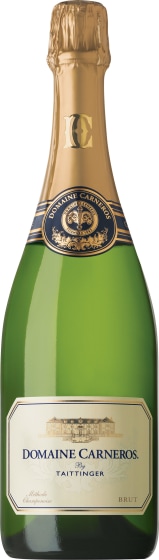
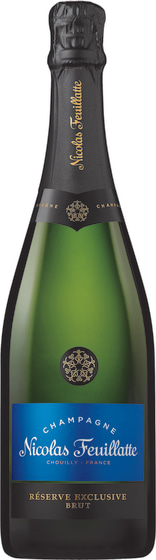
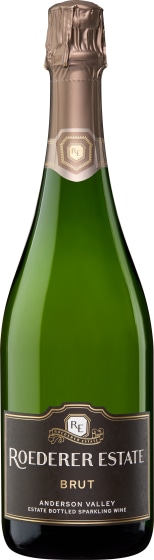
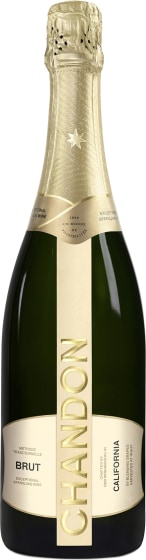
If you want the real thing, look for Champagne from the Champagne region of France. If you want California bubbly made the same way, several California estates founded by Champagne houses make traditional-method sparkling wine: Roederer Estate (Louis Roederer), Domaine Carneros (Taittinger) and Chandon (Moët & Chandon). For the differences between styles, see Champagne, Prosecco and Cava, explained.
Only if the producer was grandfathered under the 2006 U.S.-EU wine agreement. A few, such as Korbel, Cook's and Gallo, still use "California Champagne".
When did Champagne get legal protection?
An 1891 treaty first protected the name, the 1919 Treaty of Versailles reaffirmed it, and Champagne received AOC status in 1936.
What is true Champagne?
Under French and EU law, traditional-method sparkling wine from the Champagne region of France.
Why did American wineries use names like Champagne and Chablis?
The U.S. was not bound by European law, and Old World names helped sell wine after Prohibition ended.