Turkey is a mild protein, but the Thanksgiving plate is anything but mild: cranberry sauce pulls tart and sweet, stuffing layers herbs and butter, gravy brings umami richness, and sweet potatoes add caramelized depth. White wine's natural acidity and wide range of body styles make it the most versatile pour for navigating this complex spread.
Why White Wine Works With Turkey
Turkey breast is lean, delicately flavored, and easy to overpower. A heavy red with dense tannins can flatten the bird's subtle qualities, leaving the meat tasting washed out. White wine takes a different approach: its acidity lifts the palate between bites, refreshing your taste buds without competing with the protein.
The bigger challenge on Thanksgiving is everything else on the plate. Cranberry sauce is tart and often sweet. Stuffing is rich with herbs, butter, and bread. Gravy coats everything in savory depth. Sweet potatoes bring roasted sugar. No single wine profile matches all of these at once, which is why flexibility matters more than finding one "perfect" pairing.
This is where white wine earns its place at the table. White wine varieties span a wide spectrum of acidity levels, fruit intensity, and body weight. A bone-dry Riesling behaves completely differently from a round Chenin Blanc, and both behave differently from a herbaceous Sauvignon Blanc. That range means you can choose a white that leans into the specific dishes your table features most. Instead of memorizing varietal names, focus on three qualities: how bright the acidity feels, how much fruit the wine carries, and whether the body is light, medium, or full. Those three traits tell you more about Thanksgiving compatibility than any grape name on the label.
Acidity in wine works like a squeeze of lemon on food. It brightens flavors, cleanses your palate between rich bites, and keeps the overall meal from feeling heavy. Higher-acid whites feel crisp and refreshing; lower-acid whites feel rounder and softer.
The Best White Wines For Thanksgiving Turkey
Five white varieties cover the full range of Thanksgiving flavors, from tart cranberry to rich gravy. Each one brings a different strength to the table, so the right pick depends on which dishes matter most to you.
1. Dry Riesling
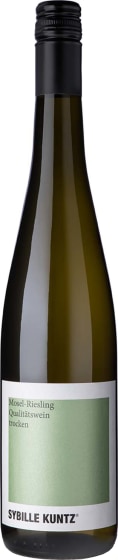
Riesling in its dry style is one of the most food-friendly wines on earth. The grape produces wines with piercing acidity, stone fruit flavors like peach and apricot, and a mineral finish that keeps every sip feeling clean. That acidity is what makes dry Riesling such a strong match for Thanksgiving: it cuts through the richness of butter-soaked stuffing while complementing the tartness of cranberry sauce.
Dry Riesling also works beautifully with herb-forward dishes. If your stuffing recipe leans on sage, thyme, and celery, the wine's subtle floral quality echoes those aromatics without overshadowing them. Look for "dry" or "trocken" on the label to make sure you are getting a crisp, low-sugar style rather than an off-dry or sweet version.
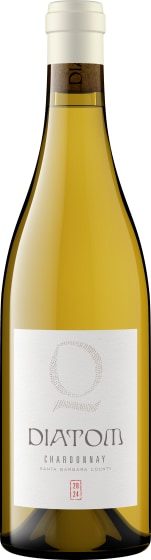
Chardonnay without oak aging delivers a clean, fruit-driven profile: green apple, citrus zest, and a finish that stays bright instead of creamy. Oak-aged Chardonnay has its place, but the barrel treatment adds buttery, toasty weight that can compete with Thanksgiving's already rich flavors. The unoaked version avoids that problem entirely.
This style bridges white and dark meat effortlessly. Its medium body has enough substance to stand up to turkey thigh, and its acidity keeps pace with lighter breast meat. Look for "unoaked" or "stainless steel" on the back label. If the label mentions "barrel-aged" or "sur lie," the wine will be richer and creamier, which may not be what you want alongside gravy and stuffing.
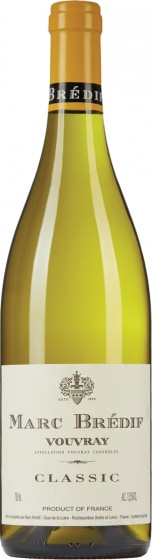
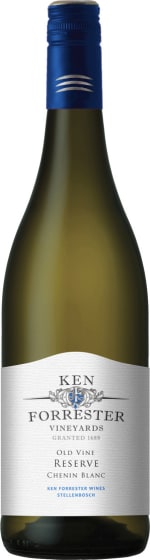
Chenin Blanc is the quiet star of the Thanksgiving table. The grape produces wines with honeyed apple flavors, a touch of ginger spice, and a texture that ranges from crisp to lightly waxy depending on the region. That combination of fruit sweetness and textural depth makes Chenin Blanc unusually versatile with both sweet and savory dishes.
Sweet potato casserole and candied yams can stump many wines, but Chenin Blanc's honeyed fruit meets the dish on its own terms. The wine also has enough acidity to handle pan gravy and roasted root vegetables without feeling flat. Vouvray from the Loire Valley is the classic expression: minerally, crisp, with fresh apple character. South African versions from Stellenbosch and Swartland offer excellent quality at lower price points.
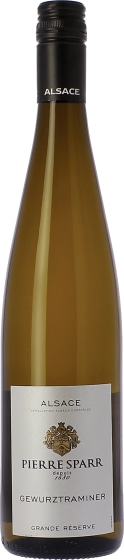
Gewurztraminer announces itself the moment the cork comes out. Lychee, rose petal, and baking spice aromas fill the glass, and the wine's rich, almost oily texture gives it a presence that lighter whites lack. That aromatic intensity makes Gewurztraminer a natural match for the most heavily seasoned elements of the Thanksgiving table.
Herbed stuffing with sage and rosemary finds a willing partner in this wine, and cranberry sauce benefits from the contrast between the berry's tartness and the wine's exotic fruit. Alsatian versions balance that aromatic punch with a dry or near-dry finish, so the wine never tips into sweetness even when the flavors suggest it might. If your holiday cooking leans heavily on spice and herbs, Gewurztraminer should be your first pick.
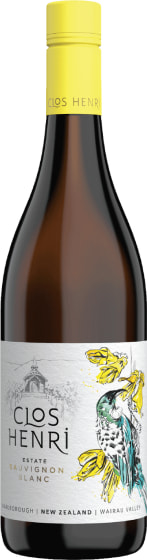
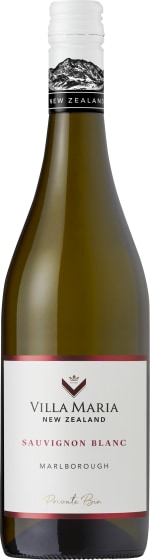
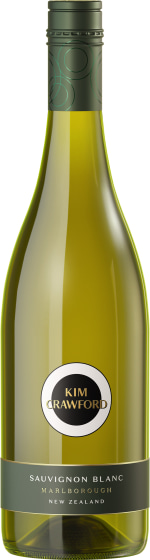
Sauvignon Blanc is the most herbaceous option on this list. Grassy, citrusy, and high in acidity, it echoes the sage, thyme, and rosemary that most turkey rubs depend on. When the wine and the herbs share a common aromatic language, the pairing feels effortless.
Two regional styles offer different strengths. New Zealand Sauvignon Blanc tends toward tropical fruit with bright, punchy acidity. Loire Valley versions from Sancerre or Pouilly-Fumé lean mineral and restrained, with flinty, chalky undertones. For Thanksgiving, the New Zealand style matches well with bolder, sweeter sides, while the Loire style suits a more restrained, herb-driven menu. Either direction gives you a wine that refreshes the palate between every bite.
The best Thanksgiving white does not have to be the most expensive one. Quality and food compatibility show up across every price range, and the right bottle depends more on your menu and guest count than on the price tag.
1. Under $15: Crowd-Pleasing Pours
At this tier, you are looking for clean, well-made wines with good acidity and straightforward fruit. Riesling and Sauvignon Blanc tend to deliver the most consistent value under $15, because both grapes produce expressive wines even at entry-level price points. These bottles are easy to drink, uncomplicated, and ideal when you are buying for a large table where quantity matters as much as quality.
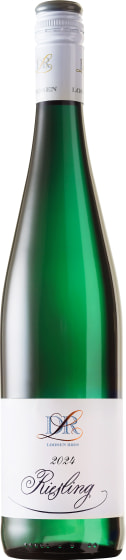
The Dr. L Riesling from Loosen Bros. is a reliable example of what this tier can deliver: crisp acidity, orchard fruit, and enough personality to hold its own alongside Thanksgiving sides. At this price, you can comfortably stock several bottles without stretching the budget.
Quality and complexity step up noticeably in this range. You will find wines with more layered fruit, better texture, and longer finishes. The grapes typically come from more specific vineyard sites, and the winemaking involves more careful selection and handling. For Thanksgiving, this is the range where a single bottle can genuinely elevate the meal.
Jules Taylor from Marlborough shows what the sweet spot looks like: concentrated fruit, precise acidity, and a finish that lingers without overwhelming. Many premium estates require minimum vine ages of 15 to 25 years for their flagship bottlings, which contributes to the concentration and complexity you taste in this tier.
This is where single-vineyard expressions and estate-grown fruit make a clear difference in the glass. Single-vineyard bottlings typically yield 1 to 2 tons per acre versus 4 to 6 tons for broader regional blends, and that lower yield concentrates flavor in each grape. The wines at this level reward attention: they have more aromatic complexity, more textural interest, and more personality than their lower-priced counterparts.
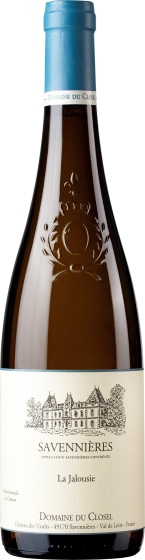
Domaine du Closel in Savennieres produces Chenin Blanc from old vines on schist soils, creating wines with a mineral backbone and aging potential that justify the premium. If Thanksgiving is your big culinary moment of the year, one special bottle at this tier makes the holiday feel appropriately celebratory.
Getting the right bottle is half the equation. How you serve it matters just as much for getting the best flavors out of your Thanksgiving whites.
Serving temperature: Chill white wines to 45–50°F. Straight from the fridge is usually too cold, which mutes aromas and fruit. Pull the bottle out 15 to 20 minutes before serving, or pour and let the glass warm slightly in hand
Bottle count: Plan on one bottle for every two to three guests. Thanksgiving meals tend to run long, and most people drink more at holiday gatherings than on a regular weeknight. If you are serving both white and red, lean toward one bottle of each per three guests
When to open: Open aromatic whites like Gewurztraminer and Riesling right before serving. Their appeal is in their freshness, and extended air exposure dulls the aromatics that make them interesting. Unoaked Chardonnay and Chenin Blanc can handle 15 to 20 minutes of breathing time
Glassware: A standard white wine glass with a narrower bowl works for all five varieties on this list. The narrower opening concentrates aromas and keeps the wine cooler longer than a wide-bowled red wine glass. If you only own one glass shape, it will work fine for Thanksgiving whites
Quick Answers On White Wine And Turkey
Is White Wine Or Red Wine Better With Turkey?
White wine tends to be the more versatile choice because its acidity complements turkey's lean protein without overpowering it. Red wines with heavy tannins can make turkey breast taste dry and flat. That said, lighter reds like Pinot Noir or Beaujolais can work well, especially if your table is heavy on darker meat and rich gravy. For most Thanksgiving spreads with a full range of sides, white wine covers more ground.
What White Wine Works With The Whole Thanksgiving Spread?
No single wine matches every dish perfectly, but dry Riesling and Chenin Blanc come closest. Both have enough acidity to handle rich dishes like gravy and stuffing, enough fruit to complement cranberry sauce and sweet potatoes, and enough versatility to pair with the turkey itself. If you are choosing just one bottle for the whole table, start with one of those two.
Should I Pick A Dry Or Off-Dry White For Turkey?
Dry whites pair best with the savory core of the meal: turkey, stuffing, and gravy. Off-dry whites with a touch of residual sugar can be excellent if your table features sweeter sides like candied yams or cranberry relish. If you are serving both types of sides, a dry Riesling splits the difference well because the grape's natural fruit gives the impression of sweetness even when the wine is technically dry.
How Many Bottles Do I Need For Thanksgiving Dinner?
A standard 750ml bottle pours five glasses. For a three-hour Thanksgiving meal, plan on two to three glasses per guest. That works out to roughly one bottle per two to three people. For a table of eight, four bottles gives you comfortable coverage. Buy an extra bottle or two beyond your estimate, because leftover Thanksgiving wine keeps well for a day or two and pairs nicely with turkey sandwiches.
Does The Cooking Method Change The Wine Pairing?
Roasted turkey with crispy skin pairs well with any of the five whites in this guide. Deep-fried turkey, with its richer, more intense flavor, benefits from wines with higher acidity like Sauvignon Blanc or dry Riesling to cut through the oil. Smoked turkey introduces a savory, woody element that Gewurztraminer handles particularly well, since its aromatic spice complements the smoke. Brined turkey, which tends to be juicier and slightly saltier, pairs beautifully with Chenin Blanc or unoaked Chardonnay.
Picking Your Thanksgiving White Wine
There is no wrong answer when choosing a white wine for Thanksgiving turkey. Your personal taste, your specific menu, and the preferences of your guests matter more than any pairing chart or varietal hierarchy. If you love the wine in your glass, it belongs at your table.
The five varieties in this guide cover a wide spectrum, from the crisp acidity of dry Riesling to the aromatic richness of Gewurztraminer. Experiment across that range. Try a Chenin Blanc with sweet potatoes one year and a Sauvignon Blanc the next. The more you explore, the clearer your own preferences become, and Thanksgiving is an ideal occasion to discover something new.