The Essential Guide to Unoaked California Chardonnay
If you've ever said "I don't like Chardonnay," there's a good chance the wine you actually disliked was a heavily oaked, butter-drenched version of the grape, not the grape itself. California's unoaked Chardonnay is a different category entirely: clean, bright, and built to let the fruit and the vineyard speak without a wall of vanilla and toast in the way. These wines range from lean and mineral-edged to ripe and texturally generous, and they're quietly reshaping what California white wine can be.
What Makes Unoaked Chardonnay Different
The line between oaked and unoaked Chardonnay is drawn in the cellar, not the vineyard. When a winemaker ferments and ages Chardonnay in stainless steel tanks, the wine keeps its primary fruit character and natural acidity intact. Put that same juice into new French oak barrels, and the wood contributes vanilla, toast, baking spice, and a rounder, creamier texture. The vessel shapes the wine as much as the vineyard does.
How Stainless Steel Changes the Wine
Stainless steel is inert. It doesn't add flavor compounds the way wood does, so what you taste comes directly from the grape, the soil, and the climate. The result is green apple, lemon zest, white peach, and sometimes a flinty or saline edge that oak would cover up. Concrete tanks and neutral (older) oak barrels fall somewhere in between: they allow micro-oxygenation and subtle textural development without contributing overt wood flavor. Lees contact in steel, where the wine sits on spent yeast cells, adds weight and a creamy mouthfeel without any of oak's signature sweetness. That technique is how unoaked Chardonnays achieve body and complexity while staying bright.
Why California Producers Are Going Unoaked
A generation of California winemakers who trained in Burgundy between 2004 and 2014 came home with a different relationship to oak. They'd seen how the best white Burgundies used barrels as a background element, and they began applying that restraint to California fruit. The broader industry shift followed: cooler vineyard sites on the Sonoma Coast, in Santa Barbara County, and at high elevations in the Santa Cruz Mountains gave producers the kind of naturally high-acid, complex grapes that didn't need oak as a structural crutch. The "Anything But Chardonnay" backlash against the Kendall-Jackson era of heavy, buttery wines also pushed the market. Consumers wanted something cleaner, and the best California producers responded with precision.
Where California's Best Unoaked Chardonnay Comes From
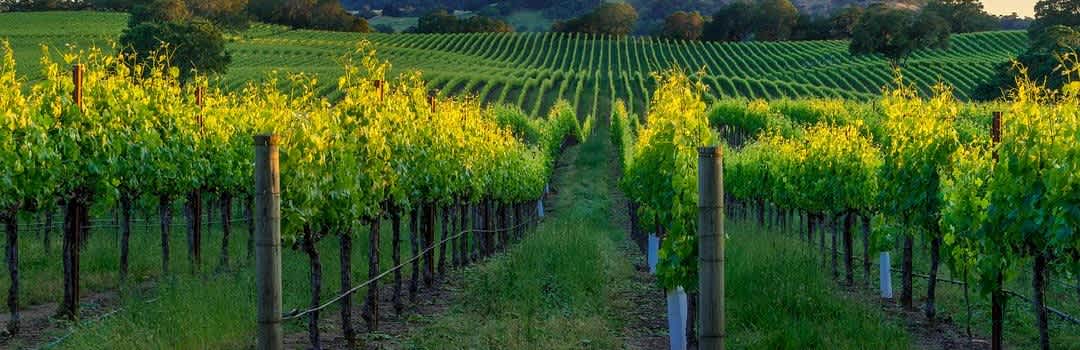
California grows more than 93,000 acres of Chardonnay, making it the state's most planted white grape. The regions that excel at unoaked expressions share a common trait: proximity to the Pacific Ocean or enough elevation to keep temperatures cool. Coastal fog corridors and mountain vineyards preserve the acidity and aromatic intensity that make this style work.
1. Sonoma Coast and Russian River Valley
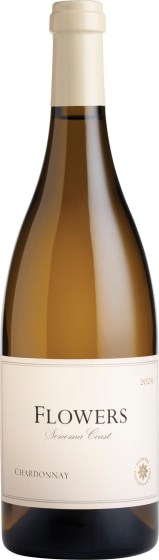
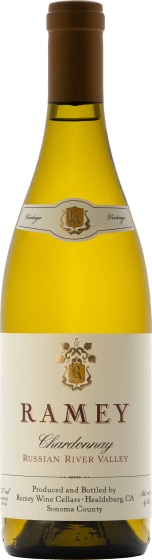
The Sonoma Coast AVA stretches along the Pacific, and its outermost vineyards sit in near-constant fog. Russian River Valley, less than 10 miles from the ocean, gets evening fog that drops temperatures 35 to 40 degrees Fahrenheit. Those dramatic swings between warm days and cold nights give grapes a long, slow ripening season that builds flavor while preserving bright acidity. The wines tend toward crisp citrus, white stone fruit, and a saline minerality that lingers on the finish. Flowers Vineyard & Winery has been farming the extreme Sonoma Coast since the early 1990s, and its Chardonnay consistently shows what this exposed, fog-swept terroir delivers: focused, electric, and layered without relying on barrel sweetness.
Russian River, Sonoma County, California ● Chardonnay
95 Robert Parker
94 James Suckling
94 Wine Spectator
$54.99
$54.99
2. Santa Barbara County (Sta. Rita Hills and Santa Maria Valley)
Santa Barbara County's geography is unusual for California. Its mountain ranges run east to west instead of north to south, creating valleys that funnel cold Pacific air directly into the vineyards. Sta. Rita Hills, at the western end of the Santa Ynez Valley, gets relentless maritime influence that keeps temperatures among the coolest of any California wine region. The result is Chardonnay with a taut, mineral-driven spine and flavors that lean toward Meyer lemon, crushed chalk, and green pear. Santa Maria Valley, farther north, is similarly cool but adds a bit more generosity to the mid-palate. These are some of California's most Burgundian-leaning white wines, and they achieve that character through climate and site rather than winemaking manipulation.
Sta. Rita Hills, Santa Barbara, Central Coast, California ● Chardonnay
91 James Suckling
Sold Out - was $18.00
3. Santa Cruz Mountains
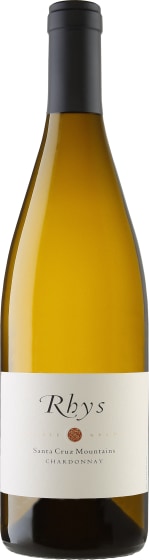
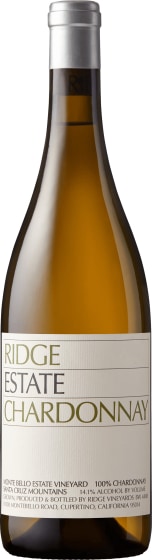
The Santa Cruz Mountains AVA is defined by elevation, not watersheds. Vineyards climb from 400 feet to over 3,000 feet above sea level, and the best Chardonnay sites sit on limestone-rich soils that contribute a chalky, electric acidity. Production here is small, and the wines can be hard to find, but they reward the search. Ridge Vineyards has been making estate Chardonnay from this AVA for decades, and the wines consistently show a nervy tension and citrus-driven purity that stands apart from lower-elevation California Chardonnay. Elevation does for these wines what fog does on the coast: it preserves acid structure and keeps the fruit lean and focused.
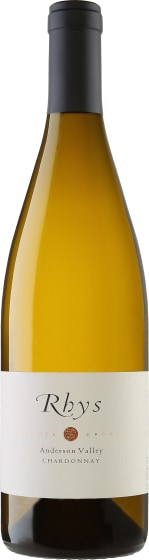
Anderson Valley is one of Northern California's coolest growing regions. Like Santa Barbara, it has a transverse (east-west) valley orientation that allows ocean fog to penetrate deep inland. Grapes here enjoy long hang time on the vine and retain naturally high acidity, which gives the finished wines a racy, almost electric quality. The region is better known for Pinot Noir and sparkling wine, but its Chardonnay can be exceptional: lean, precise, and marked by green apple, citrus pith, and wet stone. For the adventurous drinker, Anderson Valley unoaked Chardonnay is one of California's best-kept discoveries.
Anderson Valley, Mendocino, California ● Chardonnay
91 James Suckling
Sold Out - was $26.00
What to Spend on Unoaked California Chardonnay
Unoaked Chardonnay has a built-in pricing advantage. New French oak barrels cost $1,200 or more each, and a standard 225-liter barrel holds only about 300 bottles of wine. When producers skip the barrel program, those savings compress the price-quality curve: $15 genuinely buys good wine in this category, and $30 buys something that can compete with far more expensive oaked bottlings.
1. Under $15: Everyday Pours
At this tier, stainless steel fermentation keeps production costs low and quality consistent. The wines are clean, fruit-forward, and straightforward, built for Tuesday nights and casual gatherings. Joel Gott's unoaked Chardonnay is a benchmark for this price range, delivering ripe apple and citrus at a price point that doesn't ask you to overthink it. Look for bright acidity, simple fruit flavors, and a clean finish.
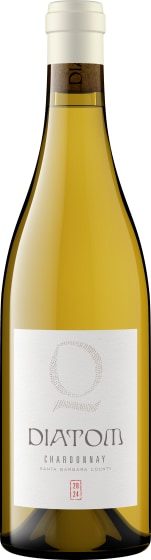
This is where unoaked California Chardonnay gets genuinely interesting. Producers at this level can afford single-region sourcing, extended lees contact for texture, and partial malolactic fermentation for body. The wines start showing site-driven personality: a Sonoma Coast bottling will taste different from a Santa Barbara one, and you'll be able to sense why. Diatom's Santa Barbara Chardonnay, fermented entirely in stainless steel, is a standout in this range. It combines bright acidity with a saline, almost briny minerality that gives it real character.
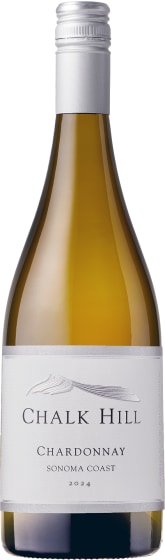
Sonoma Coast, Sonoma County, California ● Chardonnay
93 James Suckling
93 Tasting Panel
$19.97
$19.97
3. $30–$50: Serious Expressions
At this level, you're getting single-vineyard or micro-appellation wines with real ambition. Producers may ferment in concrete eggs or amphora to add textural complexity without oak flavor, and yields drop significantly. Single-vineyard bottlings typically yield 1 to 2 tons per acre versus 4 to 6 tons for broader regional blends, which concentrates flavor and drives up cost. The best wines here can stand alongside Chablis Premier Cru on complexity, with the added ripeness and generosity that California sunshine provides. Look for longer lees aging and precise site selection as markers of quality at this price.
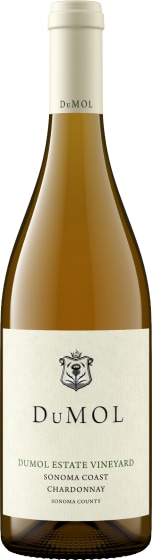
Sonoma Coast, Sonoma County, California ● Chardonnay
95 Wine Enthusiast
93 Wine Spectator
$55
$51.99
4. $50 and Above: Collector Territory
These are allocation-level wines from California's top cool-climate sites. The price reflects extreme site selection, tiny production, and often multi-year waiting lists. What's remarkable about this tier is that these wines command premium prices without oak as a traditional value signifier. The vineyard does all the work: concentrated, layered, and complex Chardonnay that ages gracefully and rewards patient cellaring. If you've only explored unoaked Chardonnay at lower price points, tasting one of these will recalibrate your expectations for what the style can achieve.
Sta. Rita Hills, Santa Barbara, Central Coast, California ● Chardonnay
97 James Suckling
94 Robert Parker
94 Vinous
91 Wine Spectator
Sold Out - was $55.00
Unoaked California Chardonnay at the Table
Unoaked Chardonnay's crisp acidity and clean fruit make it one of the most versatile white wines for food pairing. Without heavy oak or butter competing with your meal, the wine plays a supporting role, brightening and complementing flavors instead of overwhelming them. Serve it cooler than you would an oaked Chardonnay: 45 to 50 degrees Fahrenheit is ideal.
Raw shellfish and crudo: The wine's citrus-driven acidity is a natural match for briny oysters, raw clam, and delicate crudo. Think of it as a more complex squeeze of lemon.
Roast chicken with herbs: A classic pairing. The wine's clean fruit and acidity cut through the richness of roasted skin while complementing fresh thyme and rosemary.
Light pasta with olive oil or lemon: Shared citrus notes tie the wine and the dish together. No heavy cream sauce needed.
Sushi and sashimi: Unoaked Chardonnay's clean finish works where oaky white wines overwhelm the subtlety of raw fish.
Soft cheeses and charcuterie: A texturally generous unoaked Chardonnay, one with good lees contact, bridges creamy brie or fresh chevre and cured meats beautifully.
Summer salads with stone fruit: Grilled peach or nectarine in a salad echoes the wine's orchard-fruit character. A seasonal match worth building a meal around.
Unoaked Chardonnay Questions, Answered
How Can You Tell If a Chardonnay Is Unoaked?
Look for specific language on the label or in the producer's tasting notes. Terms like "unoaked," "stainless steel fermented," "unwooded," or "inox" are clear signals. The absence of phrases like "barrel-aged," "oak-aged," or "reserve" can also be a helpful clue, though it's less definitive. For California wines specifically, producer websites and tech sheets are your best resource: most list the fermentation vessel and whether the wine went through malolactic fermentation. When in doubt, a quick search for the wine's tech sheet will tell you exactly how it was made.
Are California Chardonnays Always Oaky?
No. That stereotype reflects a specific era of California winemaking, not the current landscape. While richly oaked Chardonnay remains popular and widely available, unoaked and lightly oaked options have grown dramatically over the past two decades. Major producers and small-lot winemakers alike now offer stainless steel-fermented Chardonnay, and entire AVAs like Sta. Rita Hills and Anderson Valley have built reputations around leaner, more restrained styles. The diversity of California Chardonnay today is broader than at any point in the state's winemaking history.
Does Unoaked Chardonnay Age Well?
Most unoaked Chardonnay is built for drinking within one to three years of release. Without oak tannins to provide structure, the wines rely on acidity as their backbone, and many are designed to be fresh and immediate. That said, premium single-vineyard expressions with strong acid structure can develop beautifully for five to seven years, gaining complexity and a richer, more honeyed character. Acidity is the key predictor: if the wine has it in abundance at release, it has aging potential.
What Is the Difference Between Unoaked Chardonnay and Chablis?
Both skip oak (mostly), but they taste different because the land is different. Chablis comes from a tightly defined region in northern Burgundy, planted on Kimmeridgian limestone in a continental climate with cold winters and moderate summers. California's unoaked Chardonnay grows on diverse soils in a maritime or elevation-driven cool climate with more sunshine and warmth. Chablis tends toward flinty, austere minerality with a steely finish. California unoaked Chardonnay is generally a bit riper and more fruit-forward, with broader texture and more varietal expression. They're cousins in philosophy but distinct in personality.
Why Are Some Chardonnays Buttery and Others Aren't?
The butter flavor in Chardonnay comes from a compound called diacetyl, which is produced during malolactic fermentation (MLF). When winemakers allow MLF, the wine's sharp malic acid converts to softer lactic acid, and diacetyl accumulates. Combine full MLF with new oak barrel aging and you get the classic rich, buttery California Chardonnay. Block MLF and ferment in stainless steel, and the wine stays crisp, bright, and completely butter-free. Many producers now use partial MLF, converting some of the malic acid to soften the wine slightly while keeping most of its fresh acidity intact.
Your Next Bottle
Whether you're a Chardonnay convert or circling back to the grape with fresh curiosity, unoaked California Chardonnay is a category that rewards exploration. From a breezy $12 weeknight pour to a single-vineyard bottle worth savoring, personal preference is the only compass you need.
Wine.com's selection of 16,000+ wines includes dozens of unoaked Chardonnay options from every California region and price tier covered in this guide. Filtering by style, region, and price makes it easy to find your next favorite bottle.