Everybody has a favorite. The glass you order without opening the wine list, the red that shows up at every dinner you’re invited to, the sparkling you keep on hand for emergencies of the celebratory kind.
Your go-to is basically a taste test you’ve already taken. It tells you whether you like your wine crisp or plush, bright or brooding, and those same traits turn up in other grapes all over the map. Which means there are surprising versions of what you already love, often in places you wouldn’t think to look.
So we took the crowd-pleasers and traced them outward, to wines from this year’s Wine.com 100 that share their flavor and structure. Same family, different accent.
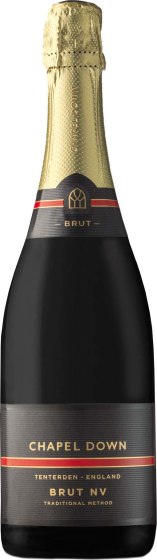
The chalk that runs under Champagne doesn’t stop at the coast. It continues across the Channel into southern England, where producers like Chapel Down make sparkling wine the traditional way, with the same grapes. Expect crisp apple, citrus and a fine, persistent bead. It’s also a very good conversation starter.
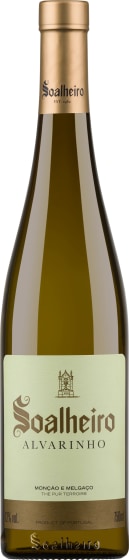
Pinot Grigio drinkers like their whites crisp and light, with citrus and pear. Alvarinho keeps all of that and adds more aroma, riper stone fruit and a saline edge. Soalheiro grows it in Monção e Melgaço, in Portugal’s far north, just across the river from Spain’s Rías Baixas, and it was one of the first estates there to bottle Alvarinho under its own name.
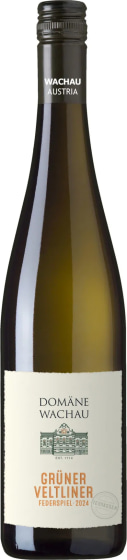
Sauvignon Blanc fans already know what they want: high acidity, citrus, a green, herbal streak and plenty of freshness. Grüner Veltliner, Austria’s signature white, has all of it, then takes its own route, swapping the grassy, tropical notes for white pepper, fresh herbs and a little more texture. This one comes from the stone terraces of the Wachau, along the Danube. A cousin, not a lookalike.
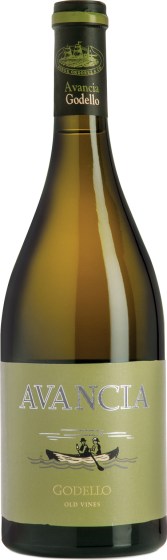
For Chardonnay fans who like it fresh or lightly oaked. Godello, from northwest Spain, has the weight and roundness they’re after: stone fruit, a creamy texture from time on its lees, and a clean mineral finish, with extra concentration from old vines. It’s often called Spain’s answer to white Burgundy, and this bottle makes the case.
If you love Pinot Noir for its pale color, perfume and bright red fruit, Nerello Mascalese speaks the same language. It grows on the slopes of Mount Etna, an active volcano in Sicily, and makes reds that are light on their feet and high in acidity, with red cherry and a smoky, mineral edge from the volcanic soil. There’s a reason Etna gets called the Burgundy of the Mediterranean.
95 James Suckling93 Wine Advocate90 Wine Spectator
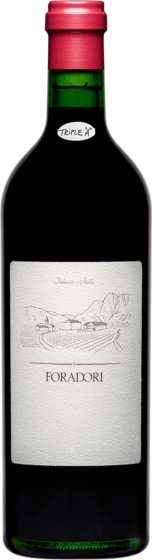
This might be the most literal cousin on the list: DNA studies suggest Teroldego is related to Syrah. It shares the dark berries and peppery edge, with a fresher, more floral lift from vineyards at the foot of the Dolomites. Foradori is the estate most credited with showing what the grape can do.
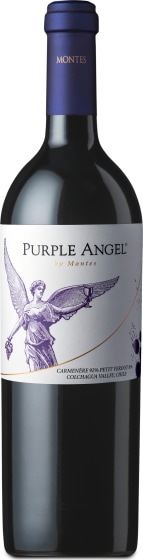
This pairing comes with a paper trail. Chile grew Carménère for decades believing it was Merlot, until 1994, when the vines were identified as a Bordeaux grape that had all but disappeared from France. It shares Merlot’s plush fruit and soft texture, with dark plum, black pepper and a savory, herbal edge. Purple Angel is one of Chile’s benchmarks.
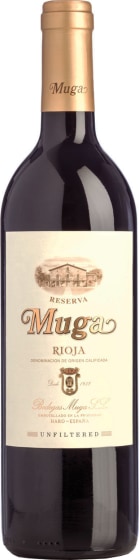
If your favorite reds have structure and a little toasty oak, Rioja Reserva belongs on your radar. By law it spends at least three years aging before release, one of them in barrel, and Muga is famous for making its own barrels in-house. The result is dark cherry, vanilla and spice, with a savory edge that loves a steak.