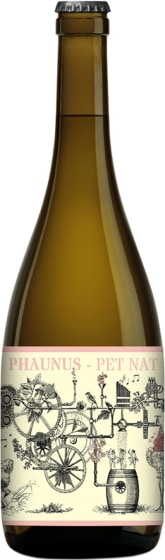
Pétillant naturel, better known as pét-nat, is sparkling wine bottled before its first fermentation finishes, so the bubbles come from the grapes' own sugar rather than a dose added later. It is the oldest known way to make a wine fizzy, predating Champagne's more famous technique by centuries. Under that one simple idea sits a wide range of colors, grapes, and styles from cellars around the world.
Pét-Nat at a Glance
Champagne gets its bubbles from a second fermentation triggered in the bottle after the wine is already finished. Pét-nat skips that step: winemakers bottle the wine partway through its single fermentation and let the last of the sugar convert to alcohol and carbon dioxide inside the sealed glass. The French call this the méthode ancestrale, and it leaves marks you can see and taste.
Because the gas is trapped from that first and only fermentation, the bottle is usually sealed with a beer-style crown cap instead of a cork and cage. Most pét-nat is never filtered, so the spent yeast, called lees, stays in the bottle and gives the wine its trademark haze and faint bready note. There are no rules about grape or region here: a producer can make pét-nat from almost any grape, almost anywhere, which is a big part of its appeal.
Méthode ancestrale: a single fermentation that starts in the tank and finishes in a sealed bottle, trapping carbon dioxide with no second fermentation and no added yeast or sugar.
How the Bubbles Get in the Bottle
A wine ferments when yeast eats sugar and gives off alcohol and carbon dioxide. In most still wine, that gas simply escapes into the air. Pét-nat captures it instead: the winemaker seals the bottle while active fermentation is still underway, so the final burst of carbon dioxide has nowhere to go and dissolves into the wine. The result is gentler fizz. Pét-nat usually carries about 1–3 atmospheres of pressure, compared with roughly 6 in a bottle of Champagne. Because the yeast finishes its work in the bottle and is rarely removed, the wine often pours cloudy with a light sediment.
How Pét-Nat Differs from Champagne and Prosecco
Three sparkling methods explain most of what ends up in your glass. Champagne uses the traditional method, a full second fermentation in the bottle that builds high pressure and fine, persistent bubbles. Prosecco uses the Charmat or tank method, where a second fermentation happens in a large pressurized tank before bottling, giving frothy, fruit-forward fizz. While both of those add a second fermentation, pét-nat relies on just one, which keeps the pressure lower and the texture softer. Sweetness varies more too: a pét-nat can finish bone-dry or hold a little grape sugar, depending on when the producer bottled it.
How Pét-Nat Tastes
Pour a glass and the look tells you a lot before the first sip. Many pét-nats are cloudy, ranging from pale straw to deep pink to hazy amber, sometimes with a dusting of sediment at the bottom. The bubbles tend to be soft and frothy rather than sharp and pinpoint, closer to the gentle prickle of good cider than the driving mousse of Champagne.
Flavors run across a wide band. A dry white pét-nat can taste of green apple, lemon pith, chalk, and fresh bread dough, while a rosé leans toward strawberry and citrus. Sparkling reds bring darker notes of plum, sour cherry, and dried herb. Many bottles carry a tangy, faintly sour edge that fans compare to kombucha, a signature of the wild, unfiltered style.
Grape choice steers the whole picture. Aromatic varieties push floral and grapey tones, crisp whites emphasize acidity and orchard fruit, and red grapes add color, tannin, and berry depth. Because so little is added or taken away, whatever the grape brings shows through clearly.
Pét-Nat by Region
Because pét-nat follows no appellation rulebook, each wine region bends the method toward its own grapes and climate. A cool northern site yields something lean and mineral, while a warm southern one turns riper and fruitier. The same technique can taste completely different depending on where the grapes grew.
1. Loire Valley, France
France is the spiritual home of the ancestral method, and its modern natural-wine movement helped bring the style back into fashion. The Loire in particular built a deep tradition of Chenin Blanc sparklers, and its growers remain a reference point for the low-intervention approach.
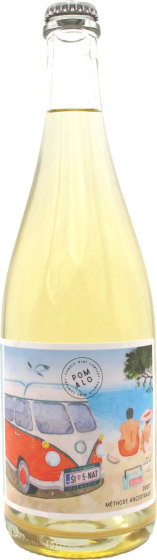
The first French bottle here is a méthode-ancestrale rosé from Burgundy, a nod to that broader ancestral tradition. The second comes from the Languedoc, an organically farmed bottling made without added sulfites, a window into France's wider natural-sparkling scene.
-
Mercurey, Cote Chalonnaise, Burgundy, France ● Sparkling Rosé
-
Languedoc, South of France, France ● Non-Vintage
2. Italy
Italy makes ancestral sparklers up and down the country, from the foamy reds of Emilia-Romagna to crisp whites in the north. Lambrusco is the most familiar example, a lightly fizzy red often made by the ancestral or tank method.
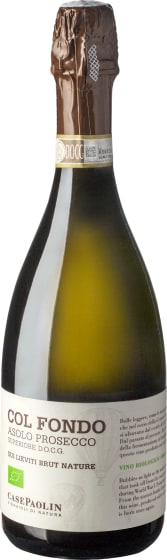
One Italian bottle here is a col fondo, the local name for a bottle-fermented sparkler left resting on its lees. The other is a northern white made by the ancestral method, showing the fresher, paler side of Italian fizz.
-
Valdobbiadene, Prosecco, Italy ● Non-Vintage
-
Abruzzo, Italy ● Non-Vintage
3. The Southern Hemisphere
The Southern Hemisphere came to pét-nat later, and its versions tend to be bright, fruit-forward, and easy to drink. Cool coastal zones in New Zealand and high-altitude vineyards in Argentina both suit the style well.
One bottle here is an organically farmed rosé from New Zealand's Hawke's Bay, made in the accessible new-wave style. The other is a pét-nat from Argentina's Mendoza region, an organically farmed ancestral wine that reflects its warm, high-altitude character.
-
Hawkes Bay, New Zealand ● Sparkling Rosé
-
Mendoza, Argentina ● Vintage
4. Austria and Central Europe
Austria set the modern template for this style, and its Central European neighbors carry it forward with aromatic grapes and a dry, mineral finish. Grüner Veltliner is the Austrian signature, though the wider region works with Muscat, known locally as Muskat, and many indigenous varieties.
One bottle here is an aromatic Muscat-based pét-nat from Slovenia, made for freshness and lift. The other comes from Croatia, built on a native white grape in a lean, savory style.
-
Slovenia ● Vintage
-
Croatia ● Vintage
5. United States
The United States treats pét-nat as open territory, with growers in California, Oregon, and beyond experimenting freely. Domestic bottlings range from Pinot Noir rosés to obscure whites rarely seen in sparkling form.
One bottle here is an estate Pinot Noir pét-nat from Oregon, a cool-climate take on the ancestral method. The other is a California pét-nat built on an aromatic Italian white grape, showing how far domestic producers push the format.
-
Willamette Valley, Oregon ● Sparkling Rosé
-
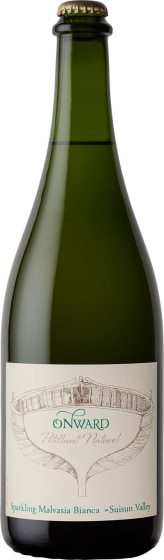
California ● Vintage
Pét-Nat by Price: What to Expect at Every Level
The gap between a $20 pét-nat and a $40 one usually comes down to farming and scale, not fancier winemaking. A large operation buying fruit from many growers can price far below a small estate hand-tending a single plot. The method itself stays simple across the range, so cost tracks how the grapes are grown and how many bottles get made.
1. Everyday Pét-Nat (Under $25)
At this level you are paying for efficiency. Large-scale producers may make 100,000 or more cases of a single wine, while boutique estates often produce under 1,000, and that volume is what keeps entry prices low. Field Recordings, a Paso Robles project in California, is a good example of the everyday tier: it makes approachable wine in real volume and prices it for a weeknight, not a cellar. The trade-off is nuance, since you get reliable refreshment and less of the site-specific character that shows up as you spend more.
2. Mid-Range ($25–$45)
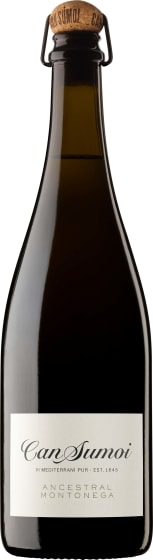
Spend a little more and the money moves into the vineyard. Single-vineyard bottlings typically yield 1–2 tons of fruit per acre, versus 4–6 tons for broad regional blends, and lower yields concentrate flavor while raising the cost per bottle. Premium growers often green-harvest as well, dropping unripe clusters in summer so the vine pours its energy into the fruit that remains. Can Sumoi, a small estate in Spain's Penedès hills, farms native grapes at altitude this way, and Portugal's Aphros, in the Vinho Verde region, takes a similar low-yield, organic approach. At this tier, the vineyard itself starts to show in the glass.
-
Penedes, Spain ● Vintage
-
Vinho Verde, Portugal ● Sparkling Rosé
3. Above $45: Why Splurge Pét-Nat Is Rare
Genuine pét-nat above $45 is rare, and that scarcity is built into the category. The ancestral method is faster and simpler than Champagne's, with no second fermentation, no long aging, and no costly disgorging, so the wines are made to drink young rather than to justify a high price.
When a $45-plus pét-nat does appear, it is almost always a tiny, allocated lot from a cult grower, not a shelf regular. For most drinkers the smarter splurge lives one tier down, where extra spending buys real gains in complexity and character.
What to Eat with Pét-Nat
Pét-nat is one of the most food-friendly bottles you can open, thanks to its bright acidity and gentle fizz. A few serving habits will help you get the most out of every pour.
- Chill it hard: Serve pét-nat colder than you would a still white, straight from the coldest part of the fridge, to keep the bubbles lively
- Open it slowly: Most bottles wear a crown cap, so pry it off gently and point it away from you, since pressure can vary from bottle to bottle
- Choose your pour: For a clearer glass, leave the last inch and its sediment in the bottle; to taste the full, yeasty style, swirl and pour it all
Those same qualities make pét-nat a real table wine, and it earns a place well beyond the aperitif hour. Its acidity and light fizz reset your palate, so it pairs across a wide range of dishes.
- Fried and salty foods: The acidity and bubbles refresh your palate between bites of fried chicken, tempura, or salted chips
- Soft cheeses: A dry white pét-nat balances creamy brie or fresh goat cheese without overwhelming it
- Brunch plates: Eggs, pastries, and fresh fruit suit its casual, low-alcohol character
- Spicy dishes: A touch of sugar in a fruitier bottle tames the chili heat in Thai or Indian food
Pét-Nat Questions, Answered
Is Pét-Nat the Same as Natural Wine?
Not exactly, though the two overlap. Pét-nat is a method: bottle a wine mid-fermentation and let it finish under a cap. Natural wine is a philosophy built around low intervention, minimal additives, and native yeast. Many pét-nats are made in the natural style, but a producer can also make a clean, conventional pét-nat, and plenty of natural wines have no bubbles at all.
Why Is My Pét-Nat Cloudy, and Is the Sediment Safe to Drink?
The cloudiness comes from lees, the spent yeast left in the bottle after fermentation. Most pét-nat is never filtered, so that yeast stays put and gives the wine its hazy look and slightly bready flavor. The sediment is completely harmless to drink. If you prefer a clearer glass, stand the bottle upright in the fridge for a day and pour gently, leaving the last inch behind.
Is Pét-Nat Sweet or Dry?
It can be either, which is part of the fun. Sweetness depends on how much grape sugar was left when the wine was bottled and sealed. Most modern pét-nat finishes dry to off-dry, with just a hint of fruit sweetness. Labels do not always spell it out, so words like brut or sec point to drier styles, while a producer's notes will tell you more.
How Long Does Pét-Nat Last, and Should I Age It?
Pét-nat is made to drink young, usually within a year or two of release. It rarely improves with age the way vintage Champagne can, and its fresh, fruity charm fades over time. Store bottles upright and cold, and open them within a season or two of buying. Once opened, a stopper will hold the fizz for a day, but pét-nat is happiest poured the same night.
Where to Start with Pét-Nat
A few rules of thumb will carry you a long way. Region drives style, so reach for Austria or the Loire when you want something dry and mineral, and the Southern Hemisphere or California when you want ripe fruit. Price tracks farming and volume more than winemaking, so the mid-range is where most of the value sits. And whatever you open, chill it hard and expect a little haze.
Wine.com carries pét-nat from across these regions and every price level, from everyday rosés to small-grower bottlings you will not find on most shelves. It is an easy way to taste the range and settle on the style that fits your table.
Ready to pour? Browse Pét-Nat at Wine.com and start with whichever region or price tier caught your eye.