The Essential Guide to Red Wines Similar to Malbec
Malbec is one of the easiest red wines to love, and that's precisely what makes it a ceiling. The ripe plum, soft tannins, and crowd-pleasing warmth that draw people in can start to feel like a loop once your palate wants more. The good news: the same dark-fruit DNA that defines Malbec runs through a family of reds that deliver layers Malbec rarely reaches on its own. Six varietals and a category of blends can scratch that itch for more complexity without abandoning the flavors that made you a Malbec fan in the first place.
Why Malbec Stands Out
Malbec built its global reputation on a flavor profile that reads like an open invitation: ripe plum and blackberry, soft-to-medium tannins, and a round, full body that rarely pushes back. Argentine Malbec, which accounts for roughly 75% of the world's plantings, leans into that fruit-forward generosity. Mendoza's vineyards sit at 2,000 to 5,000 feet of elevation, and that altitude concentrates both color and flavor, producing wines with deep violet hues and a plush, almost velvety texture.
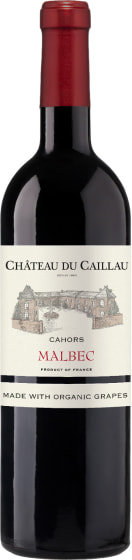
French Malbec tells a different story. In Cahors, its ancestral home in southwest France, the grape goes by Cot and produces wines historically called "the black wine" for their density and grip. Where Argentine Malbec leads with ripe fruit and approachable tannins, Cahors bottlings tend toward firmer structure, earthier aromatics, and a savory finish that rewards patience. That split between fruit-driven ease and structured complexity is the key to understanding which alternatives will click for you, and which ones will push your palate in new directions.
The Taste of Malbec Alternatives
Six varietals share Malbec's dark-fruit core and approachable weight, but each one adds a dimension Malbec typically keeps in the background. The range runs from near-identical swaps to wines that will reshape how you think about red wine entirely.
1. Syrah
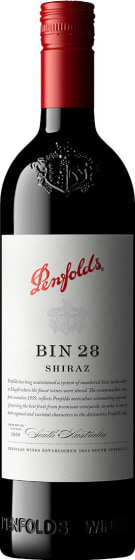
Syrah overlaps with Malbec in the blackberry and blueberry register but layers on black pepper, smoked meat, and olive notes that Malbec almost never delivers. Cool-climate Syrah from the Northern Rhone or coastal California tends to be taut and peppery, with firm tannins and a savory, almost meaty finish. Warm-climate Shiraz from regions like Australia's Barossa Valley pushes the fruit forward and turns up the richness, landing closer to Malbec's plushness but with that telltale spice running underneath. The grape is the same regardless of the label: Syrah in France and most of the New World, Shiraz in Australia.
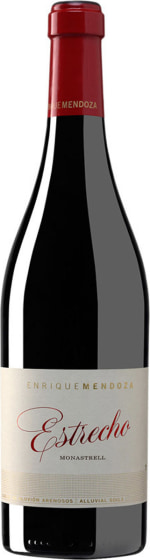
Mourvèdre shares Malbec's full body and dark fruit but veers into wilder territory: leather, smoke, dried herbs, and a savory, almost gamey edge that makes it one of the most distinctive reds in the Mediterranean. In France's Bandol region, Mourvèdre produces age-worthy wines with dense tannins and a brooding intensity that can rival top Rhone Syrah. In Spain's Jumilla, where the grape goes by Monastrell, the style is more immediate: ripe, generous, and often available in the $10–18 range. You may also see it labeled Mataro in Australia and California. For Malbec lovers ready for something with more structure and a wild streak, Mourvèdre is the most rewarding leap.
Bennett Valley, Sonoma Valley, Sonoma County, California ● Mourvedre
94 Jeb Dunnuck
90 Wine Spectator
Sold Out - was $53.00
3. Primitivo
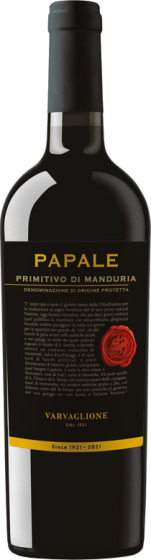
Primitivo is the closest stylistic match to Malbec in this lineup. It delivers the same ripe dark-fruit sweetness, soft tannins, and medium-to-full body, with warm baking spice (cinnamon, clove) adding a layer Malbec doesn't typically offer. Primitivo di Manduria, from Puglia in southern Italy, produces the richest and most concentrated expressions. The grape is genetically identical to California's Zinfandel, though Italian Primitivo tends to be rounder and less overtly jammy. Bottles from Puglia often land in the $12–20 range, making this an easy first step for anyone looking to branch out without risk.
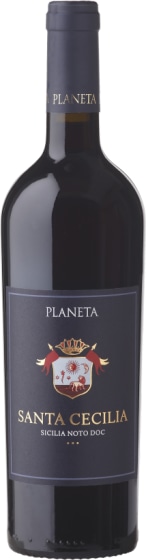
Nero d'Avola is Sicily's signature dark red, and it hits many of the same notes as Malbec: blackberry, plum, and a generous, full-bodied palate. The divergence comes in the finish, where bitter cherry and dried Mediterranean herbs (oregano, thyme) add a savory complexity that Argentine Malbec rarely shows. The best examples carry more tannic structure than typical Malbec, giving them a backbone that holds up to richer dishes and rewards a year or two of cellaring. Think of Nero d'Avola as Malbec's Mediterranean cousin: familiar fruit, unfamiliar edges.
Bonarda is Argentina's second most-planted red grape, often grown alongside Malbec and frequently blended with it. On its own, it shares Malbec's dark cherry and plum notes but brings noticeably higher acidity and a juicier, more lifted palate. That acidity gives Bonarda a sense of energy that Malbec's plush softness can lack, making it feel lighter on its feet even at full body. For Malbec lovers who want to explore more complexity without leaving Argentina, Bonarda is the most natural bridge.
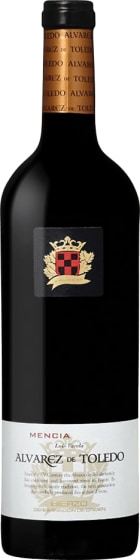
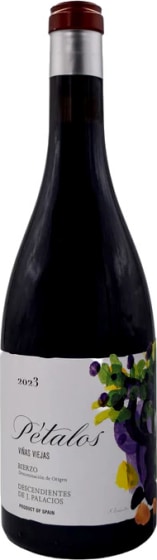
Mencía comes from Spain's Bierzo region and sits at the opposite end of the spectrum from Malbec's power. It shares the blackberry and violet aromatics, but delivers them in a lighter, more aromatic frame with floral lift, mineral-driven freshness, and minimal oak influence. The tannins are fine-grained rather than plush, and the finish tends toward graphite and wet stone rather than baking spice. For Malbec fans who want finesse over power, Mencía is the alternative that will most expand your frame of reference.
If jumping to an entirely new varietal feels like too large a step, Malbec-based blends offer a middle path. Blending is standard practice in serious winemaking: most premium Napa Cabernets, for example, include 5–15% Merlot, Cabernet Franc, Petit Verdot, or Malbec to add structure or soften edges. The same principle works in reverse when Malbec is the backbone.
A Malbec-Cabernet Sauvignon blend keeps the dark-fruit generosity of Malbec while adding Cabernet's firmer tannins and cassis backbone. The Cabernet component adds structure that helps the wine age longer and pair with richer cuts of beef, where a straight Malbec might fade.
Malbec-Syrah blends push toward pepper and smoke while retaining that plush mid-palate. These blends are increasingly common in both Mendoza and in France's southwest, where the two grapes ripen on similar timelines and complement each other's strengths.
Cahors, where Malbec originated, produces blends with Merlot and Tannat that land in a more structured, Old World register. The Tannat component brings dense tannins and dark color that give Cahors its historic reputation as "the black wine." Red blends built around Malbec let you taste how individual grape contributions change a wine's profile, and they often sit in the $15–30 range. Premium single-vineyard bottlings, where yields drop to 1–2 tons per acre compared to 4–6 tons for broader regional wines, concentrate those blending effects even further.
The dark-fruit and full-body profile that links these wines to Malbec also means they share a broad pairing territory. A few principles help match the right bottle to the right meal:
Grilled red meats: Syrah and Mourvèdre are natural partners for charred steak, lamb chops, and smoked brisket. Their peppery and savory edges echo the char and fat.
Hearty braises and stews: Nero d'Avola and Bonarda, with their higher acidity, cut through rich, slow-cooked dishes like beef bourguignon, osso buco, and bean cassoulet.
Mediterranean and Middle Eastern dishes: Mourvèdre and Mencía pair well with herb-crusted lamb, roasted eggplant, and dishes seasoned with cumin, sumac, or za'atar.
Aged and hard cheeses: Primitivo's warm spice and soft tannins complement aged Gouda, Manchego, and Parmigiano-Reggiano without overwhelming the cheese.
Pizza and pasta with red sauce: Primitivo and Nero d'Avola both have the acidity and fruit to stand up to tomato-based sauces, from simple marinara to sausage ragu.
Charcuterie and cured meats: Syrah's smoky notes and Mourvèdre's earthiness pair naturally with salami, coppa, and prosciutto.
Common Questions About Malbec Alternatives
What Wine Tastes Most Like Malbec?
Primitivo is the closest stylistic match. It shares Malbec's ripe dark-fruit sweetness, soft tannins, and medium-to-full body, with warm baking spice as the main point of divergence. If you want the same grape in a different expression, Cahors Malbec from southwest France delivers a firmer, earthier version of the same variety. Primitivo tends to run $12–20 per bottle from Puglia, making it an accessible swap.
Is Syrah Similar to Malbec?
Syrah shares Malbec's dark fruit and full body, but the resemblance stops there. Black pepper, smoked meat, and olive add a savory dimension that Malbec typically lacks. Cool-climate Syrah from the Northern Rhone is the most complex expression, with firm tannins and brighter acidity than Argentine Malbec. Warm-climate Shiraz from Australia lands closer to Malbec's plushness, but the spice signature remains.
What Should I Drink If I Want Something Bolder Than Malbec?
Mourvèdre is the top pick for bold-seeking Malbec fans. Its leather, smoke, and gamey intensity take the dark-fruit base into wilder territory. Nero d'Avola adds Mediterranean herbal complexity with more tannic grip than typical Malbec. Both wines reward pairing with rich, hearty dishes where Malbec might fade into the background.
Can I Find Affordable Alternatives Under $20?
Several of these alternatives perform well below $20. Primitivo from Puglia and Monastrell from Spain's Jumilla region both deliver generous, full-bodied reds in the $10–18 range. Bonarda from Mendoza is another strong value pick, often priced comparably to entry-level Argentine Malbec. These wines punch well above their price because the regions that produce them have lower land costs and less name recognition than Napa or Bordeaux, which keeps prices accessible. At that price point, trying two or three bottles from different varietals is a low-risk way to calibrate your preferences before committing to a case.
Your Next Bottle
There is no wrong direction from Malbec. Every alternative in this guide shares enough common ground with your current favorite to feel familiar, and enough divergence to keep things interesting. Your preference for fruit-forward ease, savory complexity, or aromatic finesse will point you toward the right next bottle.
Try one wine from each end of the spectrum: a Primitivo for the closest swap, a Mourvèdre for the biggest departure, and a Mencía for something lighter and more aromatic. That three-bottle experiment will map your own complexity preferences faster than any tasting note or score. Once you know which direction excites you, the catalog sections above will point you toward specific bottles worth opening next.
With more than 16,000 wines in the catalog, Wine.com has bottles from every varietal and region covered here. Browse red wines at Wine.com and find the one that takes your palate somewhere new.